Blogs
How to Care for an Individual Spot Without Overdoing Your Skincare


A single spot can make it tempting to change your entire skincare routine. People often start cleansing more often, applying several treatments at once or repeatedly touching the area to check whether it has changed.
In many cases, a simpler approach is better. The aim is to keep the skin clean, avoid unnecessary irritation and give the blemish time to settle rather than trying to force it to disappear overnight.
Your usual skincare routine does not necessarily need to change because one spot has appeared. Gentle cleansing, moisturising and sun protection can usually continue while the affected area is given a little extra care. The same principle applies when using products from Nyla Rest or any other skincare brand: adding more steps is not always better.
Adding several new products at the same time can make the skin dry, sore or difficult to assess. It also becomes harder to tell which product is helping and which one may be causing irritation.
The type of spot matters too. A whitehead close to the surface is different from a blackhead or a deeper, painful lump beneath the skin. Treating every blemish in exactly the same way is therefore not always useful.
Picking or squeezing can also make matters worse. It may increase inflammation, damage the surrounding skin and make marks more likely to remain afterwards.
For some surface-level blemishes, hydrocolloid pimple patches are one targeted option. Their role is limited: they cover a small area and can absorb fluid from certain spots, but they are not suitable for every type of blemish and do not replace a wider skincare routine.
Start by Leaving the Spot Alone
One of the simplest things you can do is avoid touching the area unnecessarily.
Constantly checking, pressing or squeezing a blemish can irritate the skin.
Hands also come into contact with phones, keyboards, door handles and many other surfaces throughout the day. Keeping them away from an inflamed spot reduces unnecessary contact.
If you notice yourself repeatedly touching a blemish, becoming more conscious of the habit may be more useful than adding another skincare product.
Cleanse Gently
A spot does not mean the skin is dirty.
Washing the face repeatedly or scrubbing the area harder is unlikely to make a blemish disappear faster.
Instead, use a gentle cleanser and avoid rough rubbing.
After washing, pat the skin dry.
If the area begins to feel tight, flaky or sore, that can be a sign that the routine is becoming too harsh.
Do Not Layer Too Many Spot Treatments
When a blemish appears, it is easy to reach for several products at once.
For example, someone might use an exfoliating cleanser, acid toner, spot gel and another active treatment on the same area.
More treatment does not automatically mean faster improvement.
Using several active ingredients together can sometimes increase dryness or irritation.
A better approach is usually to introduce one targeted step at a time and see how the skin responds.
Different Spots Need Different Care
Not all spots develop in the same way.
A small whitehead close to the surface may behave differently from:
- a blackhead
- a red inflamed bump
- a deep painful spot
- a cluster of repeated breakouts
This matters because a treatment that helps one type of blemish may do very little for another.
For example, a product designed to work on fluid close to the skin’s surface is unlikely to have the same effect on a deep lump underneath the skin.
Recognising the type of blemish can help avoid unnecessary treatment.
When Hydrocolloid Pimple Patches May Be Relevant
Hydrocolloid pimple patches are most relevant to certain surface-level spots.
Hydrocolloid is an absorbent material that can draw fluid from a moist area while covering it.
For a suitable blemish, the patch may also create a physical barrier that makes it harder to pick or touch the spot.
However, patches have limitations.
They are generally less useful for blackheads or deeper spots where the problem sits beneath the surface.
This is why they should be seen as one targeted option rather than a treatment for every kind of breakout.
Keep the Rest of Your Routine Normal
One blemish does not necessarily mean every skincare product needs to change.
If your usual cleanser and moisturiser are comfortable and not causing irritation, there may be no reason to replace them.
Keeping the wider routine stable can also make it easier to see whether the spot itself is improving.
This is particularly useful if you are trying a new targeted product.
Changing five things at once makes it much harder to know what your skin is reacting to.
Avoid Trying to Dry the Spot Out Completely
A common idea is that a spot needs to be made as dry as possible.
But very dry skin can become irritated.
Harsh alcohol-based products, repeated exfoliation or excessive cleansing may make the area feel tight and uncomfortable without necessarily helping the blemish settle faster.
The surrounding skin still needs normal care.
That means moisturising should not automatically stop just because a spot has appeared.
What If the Spot Has Already Been Picked?
If the skin has been broken, the priority changes.
Avoid repeatedly applying strong active ingredients to an open or irritated area.
Keep the skin clean and allow it to recover.
Products designed for intact skin may not be suitable for broken skin, so instructions should always be checked before applying anything directly over the area.
Repeatedly squeezing or reopening the same spot can prolong irritation.
How Long Should You Give a Spot?
Not every blemish disappears overnight.
Some improve quickly, while others take several days.
The important thing is to look at the overall direction.
Is the redness reducing?
Is the spot becoming less tender?
Is it getting smaller rather than more swollen?
If the answer is yes, continuing a simple routine may be enough.
Constantly changing treatments because a spot has not disappeared within a few hours can make skincare unnecessarily complicated.
When a Single Spot Is Part of a Bigger Problem
Occasional spots are common.
Repeated breakouts, painful deep spots or acne that leaves persistent marks are different.
If blemishes keep returning or begin affecting larger areas of the face, treating each one individually may not address the wider problem.
That may be a better time to speak with a pharmacist, GP or dermatologist about a more suitable acne-management plan.
If spots keep returning, become painful or leave persistent marks, treating each blemish separately may not be enough. A pharmacist, GP or dermatologist can help identify whether a broader acne-management approach is needed.
Keep Spot Care Simple
Caring for one spot does not need to become a complete skincare overhaul.
Start with the basics:
- cleanse gently
- avoid squeezing
- keep the surrounding skin comfortable
- do not layer unnecessary treatments
- use targeted products only where they make sense
- give the skin time to settle
The goal is not to attack the blemish with as many products as possible.
Often, good spot care means doing less, observing how the skin responds and avoiding the things most likely to cause additional irritation.
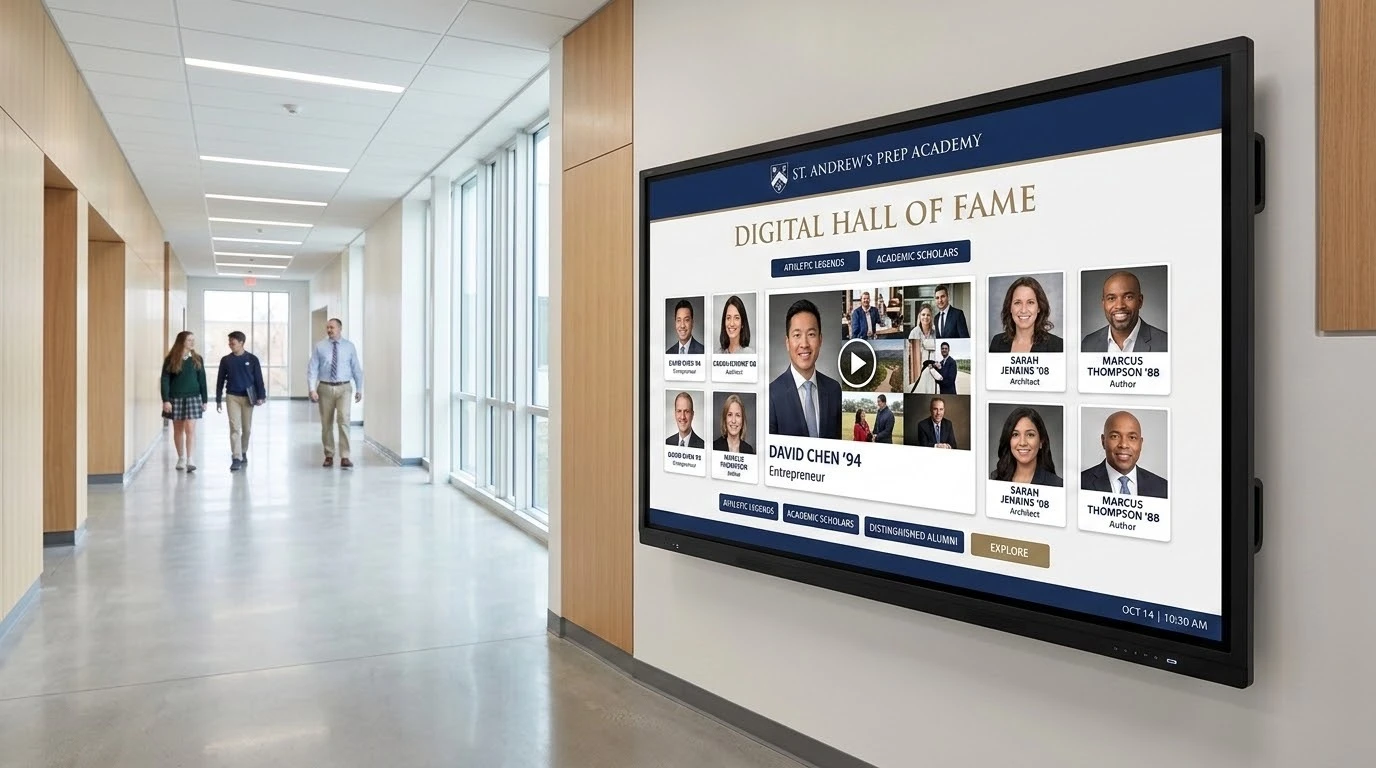
Prep schools and private academies carry decades of history that deserve proper visibility. Relying on static brass plaques often means running out of hallway space or leaving recent achievements in the dark. Transitioning to a digital touchscreen system solves these physical space limits and gives visitors a reason to actually stop and engage with your campus history.
A digital screen allows you to store thousands of alumni profiles, athletic milestones, and capital campaign contributors in one footprint. You do not have to remove older graduating classes just to make room for new ones. A searchable database lets campus guests find exactly what they care about in seconds.
Making this transition requires reliable hardware and straightforward software. The physical screen has to withstand daily interaction from students. The backend software needs to be simple enough that your internal staff can update records without submitting an IT ticket for every new donor.
Selecting the right vendor comes down to understanding your internal bandwidth. Some companies sell a blank-canvas software tool that requires your team to design the interface. Others manage the entire project from visual design to the final installation. You have to match your choice to the reality of your staff’s daily workload.
Here is a breakdown of eight reliable systems available for private academies right now.
1. Touchstone Digital Solutions
Institutions that lack a dedicated internal design team usually start here. Touchstone Digital Solutions focuses entirely on custom Hall of Fame, Donor Wall, and Team Wall installations. They do not sell a generic software license and expect your staff to build the application. They handle the entire progression from the initial visual identity to the final software configuration.
- Deployment Type: Fully managed custom build
- Best For: Institutions wanting a fully custom-branded display
- Strengths: Custom design, an accessible content management system, and dedicated support
- Recognition Types: Hall of Fame, Donor Wall, Team Wall
The software is structured entirely around your school’s specific branding and history. Non-technical staff can log in and update honoree profiles easily because the system is purpose-built for that exact task. You get a dedicated application rather than a broad corporate signage product stretched to fit a school environment. Their platform handles philanthropic and capital campaign recognition natively.
2. Digital-Trophy-Case.com
Some campuses prefer buying a standalone kiosk rather than modifying a wall for a custom installation. Digital-Trophy-Case.com provides interactive touchscreen units focused on searchable profiles. These ship as complete hardware packages that you simply plug in and connect to your network.
- Deployment Type: Managed touchscreen kiosk hardware
- Best For: Organizations wanting straightforward searchable donor kiosks
- Strengths: Cloud-managed profiles built into fixed hardware packages
- Recognition Types: Donor Wall
This product revolves heavily around the physical kiosk. You receive a functional, searchable directory of names and basic profiles. It works well if you need a practical unit that takes up minimal floor space while keeping the screen secure. Institutions looking for highly complex multimedia storytelling or rich video biographies might find the format somewhat restrictive compared to custom platforms.
3. Intuiface
This platform offers a powerful environment for building interactive signage. Intuiface combines touch navigation, images, and video into a self-managed software package. They operate globally and maintain strict security certifications for enterprise networks.
- Deployment Type: Self-managed no-code platform
- Best For: Schools with an internal team to build and maintain the software
- Strengths: Broad interactivity including touch, sensors, and voice
- Recognition Types: Hall of Fame
This is a horizontal software tool designed primarily for digital agencies. You will need significant internal design expertise or an outside contractor to actually build your display. The software does not include a built-in database for alumni or donors. Every deployment requires your team to construct the menu logic and data structure from scratch. It is highly capable but requires significant manual labor to launch.
4. RA Solutions
Combining traditional physical materials with digital technology creates a distinctive focal point. RA Solutions blends custom fabrication using metal, wood, and etched glass with an interactive screen. It gives your lobby a highly tactile, architectural element.
- Deployment Type: Hybrid physical and digital installation
- Best For: Institutions wanting tactile materials plus a screen
- Strengths: Blends custom fabrication with a touchscreen
- Recognition Types: Donor Wall
This hybrid approach appeals to schools that want a heavy, sculptural look. Incorporating physical materials naturally increases costs and extends the lead time for the project. Updates to the physical portion still require the traditional engraving process when new major donors arrive. The embedded screen handles the high-volume historical names, giving you a balance between a classic look and modern functionality.
5. PandaSuite
Certain schools have the creative staff necessary to build their own application. PandaSuite is a no-code platform that lets users create interactive kiosks without writing software code. The Paris-based company provides a highly flexible digital canvas for your team to use.
- Deployment Type: Self-managed no-code platform
- Best For: Teams wanting hands-on creative control
- Strengths: Drag-and-drop design flexibility
- Recognition Types: Hall of Fame and general interactive displays
This software serves many different industries. Your staff must design the menu navigation, honoree structure, and donor tiers entirely from a blank screen. Ongoing maintenance and content updates rely completely on your internal team’s availability. It is a cost-effective option for a highly motivated internal department willing to invest the hours required to build the interface.
6. Nevco
Athletic departments routinely bundle their hall of fame screens with broader facility upgrades. Nevco primarily manufactures scoreboards but also produces digital wall of fame displays. Adding a touchscreen to an existing gymnasium upgrade order makes logistical sense for many athletic directors.
- Deployment Type: Wall mount, floor stand, or enclosure hardware
- Best For: Athletic departments already purchasing scoreboards
- Strengths: Bundled with broader athletic facility branding work
- Recognition Types: Wall of Fame
Their digital recognition displays are an extension of their hardware business. The focus leans toward providing a sturdy enclosure suitable for a busy athletic center rather than a complex software platform. The screens typically range from 55 to 85 inches. The software gets the job done but lacks the deep organizational features found in platforms dedicated solely to institutional storytelling.
7. Rise Vision
Cloud-based signage platforms work nicely for managing basic content across multiple campus buildings. Rise Vision delivers an all-in-one system for emergency alerts and general screen sharing. You can deploy their software easily on standard commercial screens.
- Deployment Type: Cloud signage platform
- Best For: Organizations wanting instant updates across multiple devices
- Strengths: Easy cloud management and simple hardware requirements
- Recognition Types: Donor Wall
This system relies on pre-made templates, which include basic hall of fame layouts alongside hundreds of general school designs. The templates provide a functional directory but lack the highly customized, premium feel of a bespoke application. It offers a very accessible entry point for academies that just want to get names on a screen quickly without a lengthy design phase.
8. Norvision
Tracking and displaying complex capital campaigns requires a specialized approach. Norvision operates heavily in the bespoke donor recognition space. They help institutions publicly acknowledge major giving programs through interactive screens.
- Deployment Type: Managed donor recognition platform
- Best For: Organizations of any size focused entirely on giving programs
- Strengths: Scales easily for large and small campaigns
- Recognition Types: Donor Wall
Their software handles multiple tiers of giving effectively. The focus is narrowly set on philanthropic recognition. If you want to run an athletic hall of fame alongside your donor lists, you might find yourself managing two separate vendor systems. It works best when placed in an advancement office or a dedicated alumni center where the sole objective is highlighting financial supporters.

Media has become an increasingly important part of daily life for older adults across the country. From television programs and radio broadcasts to social media platforms and streaming services, the variety of media available today is greater than ever before. Understanding how these channels influence the lives of older adults can help families, care partners, and senior living communities support meaningful engagement, social connection, and lifelong learning.
How Older Adults Are Engaging with Media
The idea that older adults avoid technology is becoming less accurate as more seniors embrace digital tools and online resources. Many older adults use smartphones, tablets, computers, streaming services, and social media platforms as part of their everyday routines.
Senior living communities have also adapted to this shift by offering internet access, technology classes, media spaces, and digital communication tools that help residents stay informed and connected. These resources allow older adults to access news, entertainment, educational content, and communication platforms with greater ease than ever before.
As technology becomes more accessible, media continues to play an expanding role in how older adults engage with the world around them.
Supporting Mental and Emotional Well-Being
Media can provide valuable opportunities for learning, entertainment, and personal enrichment. Educational programs, documentaries, podcasts, audiobooks, and news sources can help stimulate curiosity and encourage continued learning.
For older adults who may have limited mobility or fewer opportunities to travel, media can also provide access to experiences that would otherwise be difficult to enjoy. Virtual museum tours, live-streamed performances, educational videos, and online discussion groups can help broaden perspectives and support ongoing engagement.
These experiences can contribute to emotional well-being by encouraging participation, learning, and meaningful interaction with topics that matter to the individual.
The Influence of Media on Perceptions of Aging
Media also plays a role in shaping how society views aging. For many years, older adults were often portrayed in limited or stereotypical ways. These portrayals sometimes overlooked the diversity, experience, and contributions of aging adults.
Today, there is growing recognition that older adults lead varied and meaningful lives. More media content is beginning to highlight their accomplishments, interests, relationships, and continued involvement in their communities.
Positive and realistic representation can help support dignity and encourage a broader understanding of what aging looks like across different individuals and experiences.
Staying Connected Through Social Media
Social media has become an important communication tool for many older adults. Platforms such as Facebook allow seniors to stay in contact with friends, follow family updates, share photos, and participate in groups centered around hobbies and interests.
Video communication platforms have also become valuable tools for maintaining relationships with loved ones who live far away. Regular video calls can help older adults remain connected to family milestones, celebrations, and everyday conversations.
For residents of Assisted Living in Davie, FL, social media and video communication tools can complement in-person interactions and help maintain meaningful relationships with family members and friends outside the community. These platforms can support ongoing connection while allowing residents to stay involved in the lives of those they care about.
Understanding the Importance of Responsible Media Use
While media offers many benefits, it is also important to use it thoughtfully. Older adults, like people of all ages, can encounter misinformation, online scams, and misleading content.
Learning how to evaluate sources, recognize suspicious messages, and protect personal information is an important part of digital literacy. Families and community team members can help by discussing online safety practices and encouraging residents to verify information before acting on it.
Balance is also important. Media can be a valuable source of enrichment, but it works best when paired with social interaction, physical movement, hobbies, and other meaningful daily experiences.
How Senior Living Communities Use Media
Many senior living communities have incorporated media into resident programs and services. Movie screenings, educational presentations, virtual travel experiences, technology workshops, and online learning opportunities can all support engagement and lifelong learning.
Media can also help residents explore personal interests and connect with others who share similar passions. Group discussions about documentaries, current events, books, or podcasts can create opportunities for conversation and relationship-building within the community.
In addition, telehealth services have expanded access to healthcare for many older adults by allowing virtual visits with healthcare providers when appropriate. These technological tools can make certain services more accessible and convenient for residents.
Conclusion
Media plays an important role in the lives of many older adults, providing opportunities for learning, communication, entertainment, and social connection. From staying in touch with family members to exploring educational content and participating in community programs, media can help enrich daily life in meaningful ways.
When used thoughtfully and balanced with other forms of engagement, media can support emotional well-being, lifelong learning, and personal connection. As technology continues to evolve, older adults and senior living communities will likely find even more ways to use media to foster connection, promote dignity, and enhance quality of life.
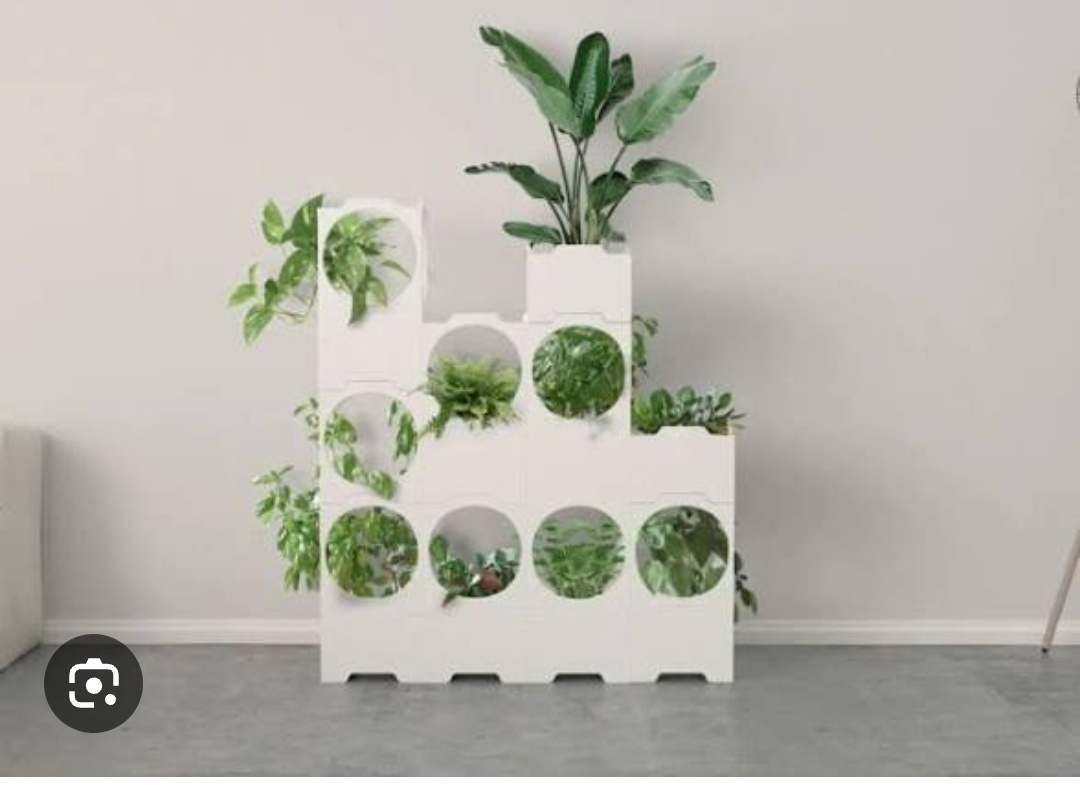
A planter might just look like a plant holder, but if it is planned and set in a beautiful home or outdoor space it can do so much more.
The right plant can help to create structure, balance and personality in a room. Can make a plant stand out, add to the furniture around it, and even complete an empty corner.
That is why the selection of a planter should be considered as an integral part of the design and not as an after-thought.
Planter can alter the appearance of a plant.
The impression that the same plant will make can vary significantly from one planter to another.
A tall architectural plant in a simple neutral container will look clean and modern. Put the same plant into a pretty chunky pot and it actually feels cosier and more vintage!
Planters shape is also important. Wide, low containers may lend a gentler effect, while tall, narrow ones tend to create a more dramatic effect. Round pots will help to create a casual feeling, while square and rectangular pots will help to add some structure.
If the planter and plant collaborate well, they appear to be an entire unit.
Match the size of the planter with the surrounding space
One mistake that is often made is selecting a planter because it is pretty by itself.
It’s best to consider the room or garden as a single unit.
Observe the existing colours, materials and shapes. Smooth planters with sleek visual lines can work well with a minimalist interior. Earthy and texture finishes may be better suited to a room featuring natural wood, stone and softer materials.
The same concept applies when it comes to the outdoors. Simple large containers are a good choice for contemporary patios, and softer containers or natural finishes are better for more traditional gardens.
Premium designer planters can be used in spaces where aesthetics are paramount and almost act as furniture. They are not just a plant container, but also an element of the overall setting.
The concept of proportion is just as crucial as style.
Even the most beautiful planter can go awry if it is not the right size.
A small pot can blend into a large sofa or entrance. A large planter in a small room will make a small room look small.
The dimensions of the plant should also be taken into account. The planter should provide sufficient space for the roots, but be balanced in height and width.
A large planter will help to fill a larger room or hotel style planters, terraces or open space areas without cluttering up the room with extra furniture.
For smaller spaces, you can opt for a more streamlined or narrow design that still allows for greenery without overpowering.
Good Materials Matter
Design isn’t all about the look. The kind of material used in the planter also influences the usefulness of the planter.
Others may be used indoors more, but others must adapt to the varying weather conditions. Weight may also be an important consideration, especially in the case of a planter that is to be moved.
Modern manufacturing also allows for a wider range of materials to be available for planters that can look like stone, ceramic or concrete, but aren’t necessarily.
This makes them easier to use on terraces or balconies, or other spaces where something that is very heavy might not be feasible.
Use Planters to create structure.
The planters can also play a role in helping to organize the space.
Two identical containers can be used to frame an entrance. You can establish a low wall for the seating and dining areas with several large planters. Indoors, a tall plant can help to soften the space between various areas of an open plan room.
It can be especially effective to repeat it. The use of similar planters in different sizes will achieve an effect that is consistent throughout the space but not uniform.
Also, when one plant is uniquely different, it can serve as a focal point.
Opt for something that you’ll enjoy in the years to come.
Plans need to be made for shifts in trend but planters can stay in their location for several years.
It is generally better to select a design that fits with the property’s overall style, than something that seems to be in fashion for only a brief period.
Neutral colours, proportion and fine finishes are less of a hassle in the long run. Plants can then be changed whenever desired for a different look without the need to change the planter itself.
The right selection of plants combines outdoor and indoor design. If its size, shape, colour and material blends in with the surrounding space, even a simple plant can be an important element of the whole design.
Getpotted has a wide range of planters, both indoor and outdoor, for home, garden and commercial use. It ranges from contemporary designs to decorative and premium in various shapes, sizes, finishes and makes it easier to find the right planters for the plant and environment.

Pain After Surgery or Injury: What Is Normal?

How to Care for an Individual Spot Without Overdoing Your Skincare

The GTA 6 Hype Cycle: What the Numbers Say

Mickey Rourke Young: From Beautiful Rebel To Cult Icon

Mark McCann Net Worth 2025: Supercars And Millions