Health
Joguart: The Premium Fermented Dairy Revolution Redefining Health Foods


Introduction
In recent years, a fascinating new term has begun to circulate among food enthusiasts, nutrition experts, and wellness-oriented consumers: joguart. While it may sound unfamiliar at first glance, joguart represents a compelling evolution within the world of cultured dairy products. Rooted in age-old fermentation traditions yet shaped by modern nutritional science and consumer demand, joguart is far more than a buzzword—it is emerging as a distinct category of food that blends tradition, innovation, texture, flavor, and targeted health benefits into one purposeful experience. This article explores joguart in depth, tracing its origins , defining its characteristics, and examining why it is capturing attention as a superior alternative to conventional yogurt.
What Is joguart
joguart is a premium fermented dairy product that extends beyond the conventional concept of yogurt, embodying intentional design in nutrition, texture, and probiotic diversity. Unlike traditional yogurt—which is produced simply by fermenting milk with a few bacterial strains—joguart emphasizes a carefully curated fermentation process, enhanced mouthfeel, and often the inclusion of additional functional ingredients to support gut health, immunity, energy metabolism, and overall wellness. This approach positions joguart as more than a snack—it’s a purposeful food choice for those seeking deeper nourishment and health effects from everyday eating.
Will You Check This Article: 01202162424 Exposed: Truth Behind the Calls
The Origins and Evolution of joguart
The story of joguart begins with the ancient practice of fermenting milk—a tradition that dates back thousands of years across Central Asia, the Middle East, and parts of Europe. Cultured milk products like yogurt, kefir, and skyr originated as practical solutions for preserving milk and enhancing its digestibility long before refrigeration existed. Over time, these foods became staples of regional diets due to their rich flavor and nutritional qualities.
As scientific understanding of probiotics and gut health expanded in the 20th and early 21st centuries, consumers developed a stronger awareness of the connection between food and wellness. Yogurt, always valued for its protein, calcium, and probiotic content, became a focal point for these discussions. However, joguart emerged by consciously extending this tradition: it retains the fermentation legacy but builds upon it with deliberate enhancements that align with contemporary nutritional priorities, elevating what cultured dairy can offer in terms of flavor complexity and functional appeal.
Key Characteristics That Define joguart
At its core, joguart shares fundamental similarities with yogurt—it begins with milk and a fermentation culture. Yet several defining traits set joguart apart as a distinct category:
Firstly, probiotic diversity is frequently broader in joguart. Traditional yogurts rely primarily on two bacterial strains, while joguart may incorporate additional, carefully selected probiotic strains that support a wider range of digestive and immune functions. This diversity contributes to its reputation as a functional wellness food. Secondly, the texture and mouthfeel of joguart are often richer and creamier, designed to deliver a more satisfying sensory experience, whether consumed as a spoonable bowl or blended into smoothies. Finally, joguart producers often emphasize functional add-ins such as fiber, essential fatty acids, and micronutrients that go beyond basic nutrition to offer additional health benefits.
These characteristics collectively make joguart not just a food, but a reflection of evolving consumer expectations around nourishment and well-being.
Nutritional Profile and Health Benefits of joguart
One of the primary reasons joguart is attracting attention is its compelling nutritional profile. While it shares many of the beneficial attributes of yogurt—such as high-quality protein, calcium, and live bacterial cultures—joguart typically enhances these with additional nutritional features based on intentional formulation.
Probiotics in joguart help support a balanced gut microbiome, contributing to more efficient digestion and potentially reducing issues like bloating or discomfort after meals. A healthy microbiome is also linked to improved immune function, which means regular consumption of joguart may support better overall resilience against illness. Its protein and micronutrient content contribute to sustained energy and support muscle repair, making joguart appealing for active individuals and fitness enthusiasts alike. In many versions, fiber or other functional ingredients are added to assist in metabolic health, further distinguishing joguart from ordinary fermented dairy.
In practical terms, joguart’s creamy composition and richer nutritional density often mean it can serve as a satisfying meal component on its own—reducing cravings, stabilizing blood sugar levels, and contributing to a more balanced diet without relying on added sugars or artificial flavorings that are common in mass-market yogurts.
How joguart Is Made
Although production methods can vary, the fundamental process of making joguart begins with carefully selected milk, which may come from cows, goats, or alternative dairy sources. This milk is inoculated with a blend of probiotic cultures and left to ferment under controlled temperatures. As with yogurt, the bacteria convert lactose (milk sugar) into lactic acid, which thickens the milk and gives joguart its tangy quality. However, joguart’s fermentation phase is often tailored to encourage a wider variety of beneficial bacteria, enhancing its health potential.
After fermentation, joguart may be enriched with additional nutrients—such as prebiotic fibers that feed probiotic bacteria, plant extracts for antioxidant support, or vitamins and minerals that align with modern dietary needs. The result is not merely a fermented product but a thoughtfully formulated food designed to align with holistic nourishment goals.
Cultural and Culinary Significance of joguart
While joguart is defined by its nutritional intent, it also carries cultural resonance. Across regions, people have long valued cultured dairy for its comforting taste, versatility, and nourishing properties. joguart reflects this heritage while adapting it to contemporary tastes and culinary creativity. In smoothie bowls, layered parfaits, toppings with fresh fruit and seeds, or simply enjoyed plain, joguart offers a culinary canvas that connects tradition with innovation.
This adaptability amplifies its relevance in global food cultures—whether integrated into breakfast routines in urban kitchens, served in artisan cafés, or featured in wellness-oriented restaurant menus. By bridging culinary enjoyment with functional nutrition, joguart holds a unique place in the evolving world of food trends.
Comparing joguart to Traditional Yogurt
Understanding joguart’s place requires a comparison to traditional yogurt. At a fundamental level, yogurt and joguart share fermentation origins. Yet joguart’s intentional enhancements—whether through broader probiotic strains, added functional nutrients, or more refined texture profiles—give it an edge in delivering targeted health benefits. Traditional yogurt remains a nutritious staple, but joguart positions itself as a more sophisticated and purpose-driven option for those seeking active support for specific aspects of health and daily nourishment.
Moreover, joguart is frequently marketed and experienced as a premium product. Its focus on quality ingredients, artisanal production methods, and flavor innovation separates it from mass-market yogurts that prioritize shelf life over nutritional depth.
Practical Tips for Enjoying joguart
Integrating joguart into daily routines can be both delicious and healthful. For breakfast, a bowl of joguart with fresh berries, nuts, and honey provides a balanced meal that delivers protein, fiber, and antioxidants. For a post-workout snack, blending joguart with fruits and seeds creates a satisfying, nutrient-dense smoothie that supports muscle recovery and replenishes energy.
Homemade joguart is also gaining popularity among those who prefer control over ingredients. By selecting high-quality milk and live cultures, anyone can experiment with fermentation, creating unique flavor profiles and tailoring the nutritional profile to their preferences.
Sustainability and Future Trends in joguart Production
As environmental consciousness grows among consumers, joguart producers are increasingly exploring sustainable practices. These include sourcing local milk, experimenting with plant-based alternatives for those with dietary restrictions, and incorporating eco-friendly packaging solutions. Such innovations not only reduce environmental impact but also broaden joguart’s appeal to diverse dietary lifestyles.
Looking ahead, joguart’s trajectory suggests it could become a major player in the broader landscape of cultured foods, particularly as interest in microbiome health and functional eating continues to rise globally.
Conclusion
joguart stands at the crossroads of tradition and innovation—a premium fermented dairy product that honors the deep cultural roots of yogurt while elevating it through purposeful nutritional enhancements. With its richer texture, diverse probiotic profile, and functional health benefits, joguart offers a compelling alternative for anyone seeking greater nourishment from their food choices. Whether you’re curious about gut health, looking to enrich your daily diet, or simply exploring new culinary experiences, joguart embodies a thoughtful and nourishing evolution in fermented foods that reflects both historical wisdom and modern insights.
FAQs
What exactly is joguart?
joguart is a premium fermented dairy product that builds upon traditional yogurt by incorporating a wider variety of probiotic cultures, enhanced nutrition, and purposeful formulation designed to support overall wellness.
Is joguart the same as regular yogurt?
No, while joguart and yogurt share fermentation origins, joguart often includes additional probiotic strains and functional ingredients, and emphasizes richer texture and targeted health benefits beyond ordinary yogurt’s basic nutrition.
Can joguart improve digestive health?
Yes, the diverse probiotics in joguart can help support a balanced gut microbiome, which may improve digestion and contribute to overall digestive comfort.
How can I enjoy joguart in my daily diet?
joguart can be enjoyed plain, mixed with fruits and nuts, blended into smoothies, or incorporated into breakfast bowls, making it a versatile and nutritious addition to your daily meals.
Is joguart suitable for people with dietary restrictions?
Many variations of joguart are available, including those made with alternative milk sources for lactose intolerance or plant-based diets, making it accessible to a variety of dietary preferences.

Pain is common after surgery or injury. It can happen because tissues have been cut, stretched, bruised, or otherwise damaged, and some discomfort may continue as the body begins to recover.
The pattern of pain matters. Pain after planned surgery may be expected and managed as part of the recovery plan, while pain after an injury can range from a mild strain to something that needs urgent assessment.
In some situations, a healthcare professional may prescribe an opioid painkiller such as dihydrocodeine when other painkillers have not provided enough relief. However, the medicine does not tell us whether the underlying injury or surgical wound is healing normally, so pain still needs to be judged in the wider context.
After surgery, some pain is expected, but it should generally become easier to manage as recovery progresses. NHS guidance encourages patients to tell their healthcare team about pain early so it can be managed appropriately rather than waiting until it becomes severe.
Pain after an injury can be less predictable. A sprain or strain may cause tenderness, swelling, bruising or weakness, but severe or worsening pain, increasing swelling or an inability to use the injured area normally may need further assessment.
Recovery is therefore not judged only by whether pain is still present. Movement, swelling, wound appearance, strength and the ability to return gradually to normal activities can all provide useful information.
When thinking about different pain treatment options, the cause and expected course of the pain should come first. Post-operative pain, a muscle strain and a more serious injury may all need different treatment plans.
What Pain Is Normal After Surgery?
Some degree of discomfort after surgery is normal.
The amount can depend on:
- the type of operation
- where the surgery was performed
- how extensive the procedure was
- the person’s previous experience of pain
- other health conditions
- the medicines being used
The aim of pain treatment is not always to remove every sensation completely.
Good pain control should make it easier to rest, breathe comfortably, move safely and follow the recovery plan.
NICE recommends discussing expected pain and pain-management options before surgery, including the possible benefits and risks of different medicines.
Should Pain Improve Every Day?
Recovery is not always a perfectly straight line.
Pain may feel stronger after increasing activity, physiotherapy or starting to move more normally again.
However, the general direction should usually be towards improvement.
Pain that becomes steadily worse instead of better deserves more attention.
After surgery, worsening pain together with fever or a wound that becomes red, hot or swollen can be a sign that medical review is needed.
The key is to look at the overall pattern rather than one difficult hour or one uncomfortable day.
How Is Pain After an Injury Different?
Pain after an injury depends heavily on what has been damaged.
A sprain affects a ligament, while a strain affects muscle tissue.
Common signs can include:
- pain
- tenderness
- weakness
- swelling
- bruising
- difficulty putting weight on the area
- muscle spasm
Many mild sprains and strains improve with self-care, but more serious injuries can take much longer.
The pain should also make sense in relation to the injury.
If symptoms suddenly become much worse, or movement becomes increasingly difficult, it is sensible to reassess the situation.
Why Pain Relief Does Not Always Mean Healing
Painkillers can make recovery more comfortable.
That does not mean the injured tissue has fully healed.
For example, someone with a strained muscle may feel much better after pain relief but still need time before returning to demanding exercise.
The same applies after surgery.
Reducing pain can help someone move and take part in recovery, but the wound and deeper tissues still need time to heal.
This is why pain relief and recovery should be considered together rather than treated as the same thing.
Where Do Stronger Painkillers Fit?
Not every person recovering from surgery or injury needs an opioid.
NICE recommends a range of pain-management approaches after surgery and says immediate-release opioids may be considered when immediate post-operative pain is expected to be moderate to severe.
Dihydrocodeine is an opioid painkiller available on prescription in the UK. NHS guidance says it may be used when medicines such as paracetamol or ibuprofen have not provided enough relief.
Whether it is suitable depends on the person, the type of pain and the treatment plan.
It should not be assumed that stronger pain automatically means a stronger medicine is always the correct next step.
Why Following the Prescription Matters
Prescription pain medicines should be taken according to the instructions provided.
With dihydrocodeine, the exact formulation matters because some tablets are slow-release or prolonged-release.
NHS guidance advises patients to check the packet or leaflet and follow the instructions for the medicine they have actually been given.
Taking an extra dose because pain has not improved as quickly as expected can be dangerous.
If prescribed pain relief does not seem to be working, contacting the prescriber or pharmacist is safer than adjusting the amount independently.
When Pain After Surgery Needs Medical Advice
Some post-operative pain is expected.
Further advice may be needed if:
- pain is getting worse rather than better
- the wound becomes increasingly red or hot
- swelling is increasing
- there is fever
- normal recovery seems to be going backwards
- the prescribed pain plan is not controlling symptoms
These signs do not always mean there is a serious complication, but they should not simply be ignored.
The healthcare team that operated can usually advise what level of pain is expected for that particular procedure.
When an Injury Needs Checking
Many minor sprains and strains improve without hospital treatment.
However, NHS guidance recommends urgent advice when an injury is very painful, swelling or bruising is worsening, weight cannot be put on the area or movement is very limited.
More urgent assessment may be needed if:
- a crack was heard during the injury
- the body part looks deformed
- there is numbness or tingling
- the skin becomes blue, grey or unusually cold
These signs can suggest a more serious injury such as a fracture.
Why Movement Is Part of Recovery
After many operations, getting moving again is part of recovery.
NHS advice notes that early movement can help reduce complications such as blood clots and is part of enhanced recovery after surgery.
Movement should still follow the instructions given by the surgical team.
After an injury, the approach may be different.
Some injuries need an initial period of protection and reduced activity before movement is gradually increased.
The important point is that recovery should be matched to the condition rather than using the same advice for every type of pain.
What If Pain Continues Longer Than Expected?
Pain that continues does not automatically mean something serious is wrong.
Some operations and injuries simply take longer to recover from than others.
However, persistent pain deserves another look when:
- it is not gradually improving
- it repeatedly becomes worse
- it prevents normal movement for longer than expected
- the original injury should have improved by now
- new symptoms appear
- the treatment plan no longer seems effective
In these situations, increasing pain medicine may not be the most useful first step.
The underlying recovery may need to be reviewed.
Can Opioid Painkillers Be Used Long Term?
Opioids require particular care when treatment continues.
The NHS notes that with longer-term dihydrocodeine use, the body can become used to the medicine and dependence can develop. It should not be stopped suddenly after longer use without medical advice because withdrawal symptoms can occur.
This is one reason why pain medicines may need reviewing as recovery progresses.
A medicine that was useful soon after surgery or a significant injury may not always need to continue in the same way weeks later.
What Should Recovery Look Like?
There is no single recovery timetable that suits every operation or injury.
However, useful signs of progress can include:
- pain gradually becoming easier to manage
- swelling reducing
- movement becoming easier
- sleep improving
- daily tasks becoming more manageable
- less need for pain medicine over time
- following the rehabilitation plan more comfortably
One difficult day does not always mean recovery has failed.
The wider trend matters more.
When to Ask for Help
A simple rule is that pain should broadly fit the condition and the stage of recovery.
Pain that is expected and gradually improving is different from pain that suddenly changes, becomes much worse or appears with new symptoms.
After surgery, follow the discharge instructions and contact the healthcare team if recovery does not seem to be progressing as expected.
After an injury, seek further advice when pain, swelling or loss of movement is severe or not improving.
Pain medicines can support recovery when appropriate, but they should not hide a problem that needs medical assessment.
The most useful question is not only **“How much does it

Restful breaks can create space for the body and mind to slow down after demanding routines. A wellness resort offers gentle care through suitable activities and attentive surroundings. Thoughtful treatments may ease daily tension while helping guests settle into a calmer rhythm. Each choice can support renewal without making the stay feel rushed or demanding. This peaceful setting makes a wellness resort in rawai Phuket a suitable choice for meaningful relaxation.
Gentle Care For Daily Renewal
A suitable spa session can help guests release built-up tension through slow movements and attentive care. Soft surroundings may encourage steady breathing while allowing thoughts to become less active. Different treatment styles can focus on relaxation through touch or warmth. Selecting an option based on personal needs can make the stay more rewarding.
- Gentle touch can ease tension while encouraging slower breathing patterns.
- Warm surroundings create a soothing setting for quiet personal rest.
- Calm sessions allow thoughts to settle without demanding active attention.
- Skilled care can support physical ease after busy daily routines.
- Suitable timing helps guests enjoy treatments without feeling rushed afterward.
Calming Spaces Encourage Rest
The setting around a spa session can influence the quality of relaxation. Low noise can create a softer atmosphere for guests who need quiet time. Gentle lighting may further support a relaxed state during treatment. Uncluttered surroundings can help guests remain focused on personal rest throughout their session.
Personalized Treatment Choices
Every guest may respond differently to touch or warmth during treatment. Discussing preferences before a session allows staff to suggest suitable options without creating unnecessary pressure. Short sessions may suit guests with busy schedules. Longer periods can allow more time for gradual unwinding and personal renewal at a wellness resort in rawai Phuket.
- Gentle pressure may suit guests seeking a lighter form of relaxation.
- Extended sessions can provide more time for gradual unwinding.
- Scent preferences should guide selections when fragrances feel distracting.
- Treatment intensity can be adjusted according to personal comfort levels.
- Quiet periods afterward may help maintain the relaxed feeling longer.
Mindful Rhythms During Stays
Relaxation can become more consistent when treatments are combined with simple daily habits. Slow breathing can settle the mind during quiet periods. Gentle stretching may help guests remain physically relaxed between activities. Spa sessions can fit naturally between these moments without becoming the only source of rest.
Restful Routines Beyond Treatments
A restorative stay works best when guests allow enough time between activities. Moving slowly after a spa session can help maintain the relaxed state created during treatment. Drinking enough water can support general daily wellness during the stay. Suitable sleep timing can also help guests feel refreshed for upcoming activities.
Creating A Balanced Wellness Stay
A thoughtful schedule can combine restorative care with gentle movement and sufficient personal time. Spa visits may provide a useful pause while other wellness activities encourage steady physical and mental engagement. Guests can choose fewer activities when they need more downtime. Keeping each day flexible makes it easier to respond to changing energy levels.
A complete retreat should leave guests feeling refreshed rather than occupied from morning until night. Simple planning can create room for restorative treatments and quiet periods throughout the stay. Spa care can become one part of a balanced routine instead of the entire focus. This approach supports lasting relaxation while allowing each person to enjoy the visit naturally.
Restorative care becomes more useful when paired with thoughtful planning and adequate personal time. Guests can select suitable sessions while leaving enough room for quiet periods. Simple routines may preserve calmness beyond individual treatments. A balanced approach allows wellness activities to support renewed energy without creating another demanding schedule. The aim is steady restoration that feels natural throughout the visit.
FAQ
Can spa treatments support relaxation during wellness resort stays?
Yes. Suitable treatments can encourage calmness and reduce everyday tension.
Should treatment timing match personal daily energy levels?
Yes. Flexible timing can make restorative sessions easier to enjoy.
Can quiet activities support relaxation between treatment sessions?
Yes. Gentle breaks can help maintain a relaxed state.
Introduction
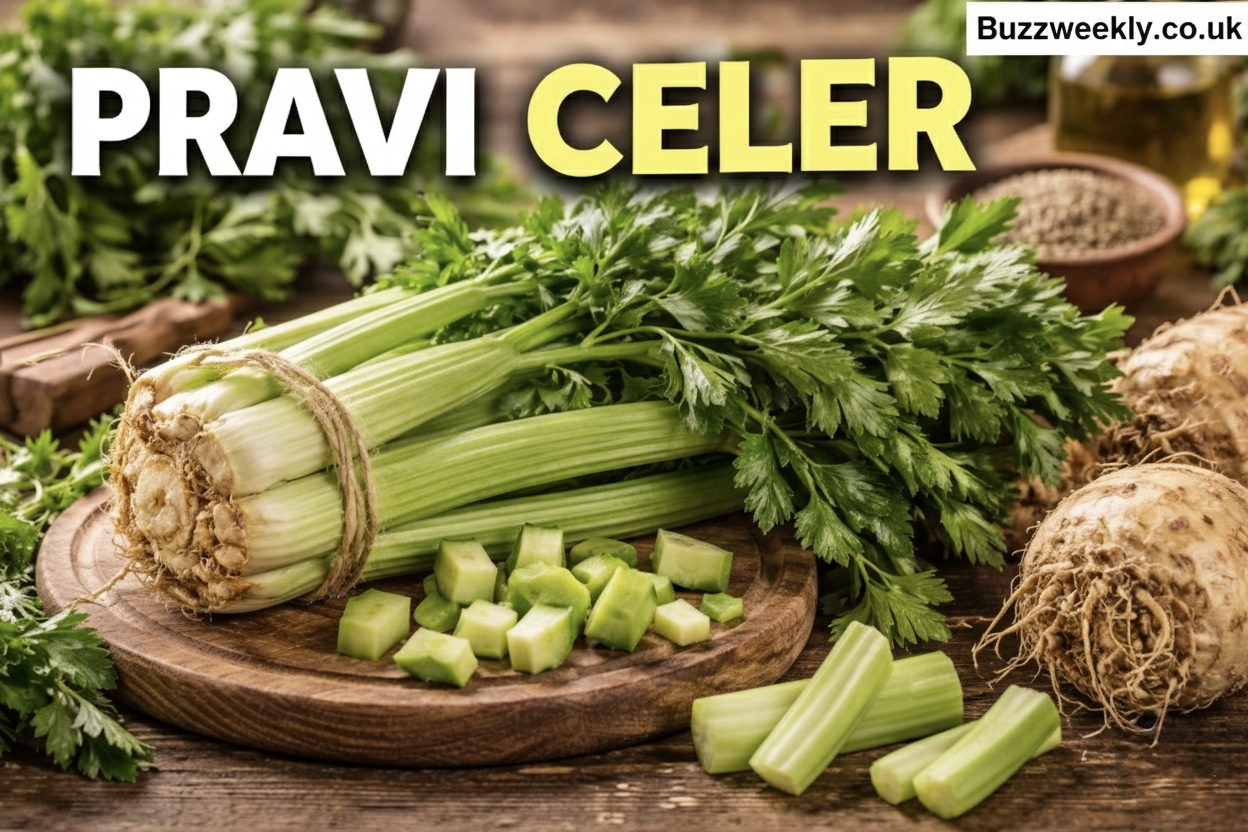
Celery is one of those vegetables everyone recognizes, yet very few people truly understand. When people talk about pravi celer, they’re usually pointing to something deeper than a crunchy green stalk. The phrase refers to real, authentic celery—the plant in its true form, grown traditionally, valued for both flavor and function. In a world full of hybrid produce, powders, juices, and shortcuts, pravi celer stands as a reminder of what celery was always meant to be.
This article explores what pravi celer really is, where it comes from, why it matters, and how it fits into everyday life far beyond the kitchen. You’ll learn how to recognize authentic celery, understand its cultural and practical importance, and use it with confidence. Whether you’re curious, health-minded, or simply tired of bland produce, this guide gives you clarity and useful insight.
What Does “Pravi Celer” Actually Mean?
At its core, pravi celer means “true celery” or “real celery.” The phrase is commonly used in parts of Eastern and Southern Europe to distinguish authentic celery from substitutes, overly processed products, or milder modern varieties. It emphasizes purity, strength of aroma, and traditional cultivation.
Will You Check This Article: Ksözcü: Meaning, Context, and Why This Term Matters Today
Unlike watered-down stalks bred only for size and appearance, pravi celer retains its sharp scent, dense fibers, and slightly bitter edge. It’s not designed to be bland. Instead, it reflects celery as it existed before heavy commercial modification, when flavor and resilience mattered more than shelf appeal.
People often use the term to signal trust. When someone says they use pravi celer, they’re implying quality, honesty, and respect for the ingredient. That meaning has followed the phrase across borders and into broader conversations about food authenticity.
A Brief Background of Celery as a Plant
Celery has a long and fascinating history that stretches back thousands of years. It was originally valued more for medicine and ritual than for taste. Ancient civilizations recognized its strong aroma and effects long before it became a soup staple.
Informational Snapshot: Celery Basics
| Aspect | Details |
|---|---|
| Botanical name | Apium graveolens |
| Native regions | Mediterranean and Middle East |
| Traditional uses | Medicine, seasoning, rituals |
| Edible parts | Stalks, leaves, roots, seeds |
| Flavor profile | Herbal, slightly bitter, aromatic |
Early celery varieties were intense and fibrous, closer to what many people now call pravi celer. Over time, selective breeding softened the flavor for mass consumption. While this made celery more accessible, it also distanced it from its original character.
How Pravi Celer Differs From Common Store Celery
Most grocery store celery is designed to be mild, pale, and uniform. Pravi celer, by contrast, looks and behaves differently. The stalks may be darker, shorter, or uneven. The smell is stronger. The taste lingers longer on the tongue.
This difference isn’t accidental. Authentic celery grows more slowly and often in open soil rather than controlled systems. It develops deeper fibers and essential compounds that contribute to both flavor and aroma.
One useful analogy is bread. Industrial white bread fills you up, but traditional sourdough nourishes and satisfies. Pravi celer plays the same role in the vegetable world—less flashy, far more meaningful.
Cultural Importance of Pravi Celer
In many households, celery isn’t optional. It forms the base of soups, stews, and sauces passed down through generations. When families insist on pravi celer, they’re protecting tradition as much as taste.
In Balkan, Mediterranean, and Central European cuisines, celery root and leaves are often more important than stalks. These parts carry stronger flavors and are used sparingly but intentionally. Calling it pravi celer signals that nothing is wasted and nothing is artificial.
Beyond cooking, celery has symbolic value. It has been associated with cleansing, renewal, and resilience. That symbolism helps explain why people still care whether their celery is “real” or not.
Nutritional Depth Without the Hype
Pravi celer isn’t about trends or exaggerated claims. Its value lies in balance. Real celery offers hydration, fiber, and plant compounds without overwhelming the body. It supports everyday function rather than promising miracles.
Unlike heavily processed celery products, whole authentic celery works slowly and gently. The leaves stimulate appetite. The root adds depth to meals. The stalks refresh without spiking energy.
What matters most is synergy. Pravi celer doesn’t act alone. It works best as part of a varied, thoughtful diet built around real ingredients.
Culinary Uses That Highlight Authentic Celery
True celery shines when it’s allowed to be itself. Overcooking or masking it defeats the purpose. Traditional recipes often treat celery as a foundation rather than a feature.
In soups, it builds aroma before any liquid is added. In slow-cooked dishes, it melts into the background while lifting everything else. Raw, it offers a bold crunch that pairs well with simple fats or acids.
A chef once described pravi celer as “quiet confidence.” It doesn’t need seasoning to prove its worth. Used properly, it elevates without dominating.
Growing and Sourcing Pravi Celer Today
Finding authentic celery requires attention. Farmers’ markets, small growers, and home gardens are the most reliable sources. These environments allow celery to grow at its natural pace.
Commercial farms often prioritize uniformity and yield. Smaller operations focus on soil health and flavor. That difference shows up in the final product.
When shopping, trust your senses. Strong scent, firm texture, and visible leaf growth are good signs. Pravi celer rarely looks perfect, but it always smells alive.
Why Authenticity Matters Beyond Food
The idea of pravi celer extends beyond vegetables. It represents a broader desire for honesty in daily choices. People are increasingly drawn to things that feel real, grounded, and intentional.
Choosing authentic celery is a small but meaningful act. It supports traditional knowledge, local growing practices, and mindful consumption. It pushes back against the idea that bigger and shinier is always better.
In that sense, pravi celer becomes a mindset. It’s about slowing down, paying attention, and valuing substance over appearance.
Common Misunderstandings About “Real” Celery
Some assume that stronger flavor means bitterness or poor quality. In reality, intensity often signals richness. Others believe celery should always be pale and tender, forgetting that those traits were engineered.
Another misconception is that celery is interchangeable. Root celery, leaf celery, and stalk celery each serve different roles. Pravi celer respects those distinctions instead of flattening them.
Understanding these nuances helps people cook better and waste less. It also deepens appreciation for a vegetable often taken for granted.
Pravi Celer in Modern Kitchens
Modern cooking trends often circle back to tradition. Fermentation, slow cooking, and whole-ingredient methods all benefit from authentic celery. Its strength holds up under experimentation.
People also like this: Freeoners: A Modern Movement Redefining Freedom and Value
Home cooks are rediscovering celery leaves, using roots creatively, and embracing stronger flavors. Pravi celer fits naturally into this shift because it doesn’t need reinvention.
It simply needs recognition.
Conclusion
Pravi celer is more than just celery. It represents authenticity, tradition, and respect for natural flavor. From its historical roots to its role in modern kitchens, real celery offers depth that mass-produced versions often lack.
By understanding what makes celery “real,” you gain better taste, stronger connection to food traditions, and greater confidence in your choices. Whether you cook daily or occasionally, choosing pravi celer brings intention back to the table.
Sometimes, the most powerful improvements come from returning to what was real all along.
Frequently Asked Questions (FAQs)
What does pravi celer mean in English?
It translates to “real” or “true” celery, referring to authentic, traditionally grown celery with strong flavor.
Is pravi celer different from regular celery?
Yes, it usually has a stronger aroma, deeper taste, and less uniform appearance than mass-produced celery.
Can I cook with pravi celer the same way?
Yes, but it’s often best used as a flavor base rather than overcooked or heavily masked.
Where can I find authentic celery?
Local farmers’ markets, small growers, or home gardens are the best sources.
Does pravi celer include celery root and leaves?
Absolutely. Authentic celery values all edible parts, not just the stalks.

5 Reasons to Make Room for Decision Tactical on Your Next Orlando Holiday

From Almaty to Nasdaq: How Timur Turlov Built a Cross-Border Financial Group

Pain After Surgery or Injury: What Is Normal?

Mickey Rourke Young: From Beautiful Rebel To Cult Icon

Mark McCann Net Worth 2025: Supercars And Millions