Uncategorized
Understanding the Role of HCl in Protein Digestion: How Stomach Acid Powers Breakdown

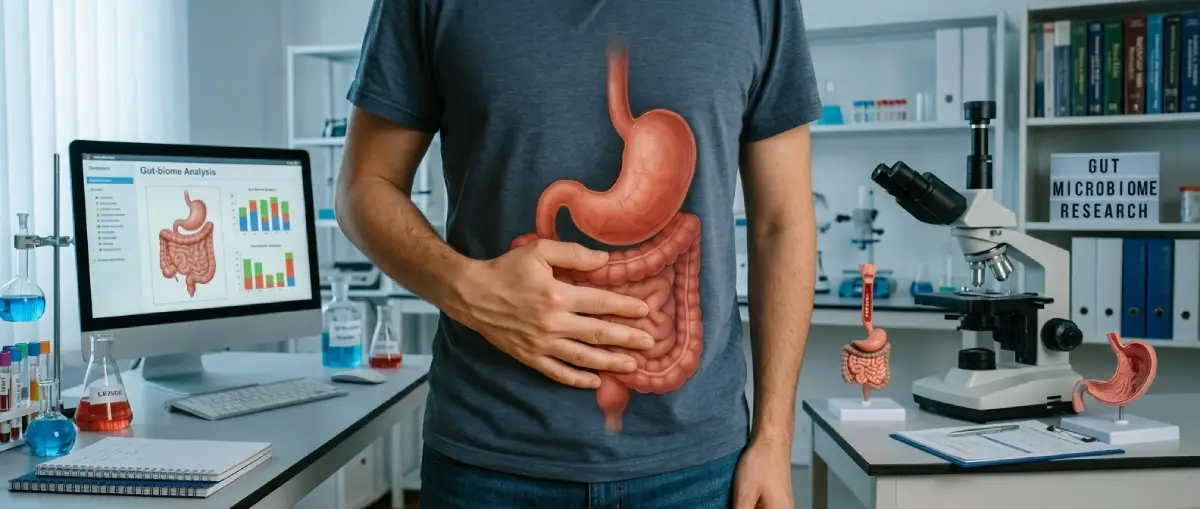
Every bite of steak, egg, or bean you eat contains complex proteins that your body can’t absorb as-is. The role of HCl in protein digestion is often underestimated, yet without hydrochloric acid the entire digestive cascade stalls before it even begins.
What Is the Function of HCl in Digestion?
Parietal cells in the stomach lining secrete roughly 1.5–2 liters of HCl daily. This acid drops gastric pH to 1.5–3, creating an environment harsh enough to unfold tightly coiled protein molecules. The process — called denaturation — exposes hidden peptide bonds so enzymes can actually reach them.
HCl also kills most bacteria that hitch a ride on food, acting as a first-line immune barrier.
Does HCl Activate Pepsinogen?
Yes, and this is arguably the most critical step. Chief cells release pepsinogen, an inactive zymogen. When H⁺ ions from HCl contact pepsinogen, they cleave a 44-amino-acid inhibitory peptide from it, producing active pepsin. Once some pepsin forms, the reaction becomes autocatalytic — pepsin itself activates more pepsinogen, accelerating the whole process.
No other mechanism in the stomach can trigger this conversion.
What Role Do HCl and Pepsin Play Together?
Pepsin works best at pH 1.5–2.5 and becomes irreversibly inactive above pH 6. It preferentially cuts peptide bonds near hydrophobic amino acids like phenylalanine, tyrosine, and leucine. The result: large proteins get broken into smaller polypeptides that move into the duodenum for further processing by trypsin, chymotrypsin, and carboxypeptidases from the pancreas.
Without adequate HCl, pepsin stays weak — and undigested protein fragments enter the small intestine, compromising nutrient absorption downstream.
What Happens When HCl Production Drops?
Conditions like atrophic gastritis or long-term use of proton pump inhibitors (PPIs) reduce acid output significantly. A 2017 study in Alimentary Pharmacology & Therapeutics linked prolonged PPI use with decreased protein-bound vitamin B12 absorption — because HCl is needed to liberate B12 from food proteins before intrinsic factor can bind it.
Older adults are especially vulnerable. Gastric acid secretion naturally declines with age, which partly explains why protein malnutrition rises in people over 70.
How Much HCl Is Produced in the Stomach Per Day?
As mentioned, around 1.5–2 liters. Secretion follows a signaling chain: the vagus nerve releases acetylcholine, G-cells respond with gastrin, and parietal cells pump out HCl via the H⁺/K⁺-ATPase proton pump. A negative feedback loop involving D-cells and somatostatin prevents overproduction when pH gets too low.
Stress can disrupt this balance — heightened parasympathetic activity boosts acetylcholine and histamine release, sometimes pushing acid output beyond what the mucosal barrier can handle.
FAQ
Why doesn’t HCl digest the stomach itself?
Goblet cells secrete a thick mucus-bicarbonate layer that maintains a near-neutral pH at the epithelial surface, shielding it from acid.
What is the role of trypsin in the digestive system?
Trypsin takes over in the small intestine, cleaving peptides at lysine and arginine residues — essentially continuing the job pepsin started, but at alkaline pH around 7–8.
Final Thoughts
HCl isn’t just “stomach acid.” It denatures proteins, activates pepsin through a precise molecular mechanism, kills pathogens, and sets the stage for everything that happens further down the GI tract. When production falters, the consequences ripple far beyond the stomach — affecting B12 status, iron uptake, and overall protein nutrition. Paying attention to gastric health is, quite literally paying attention to how well your body uses the food you eat.


Hype is usually a feeling. Around Grand Theft Auto VI, it has become a dataset — one that has now run for nearly three years, survived two public delays, and can be read like the vital signs of the biggest entertainment launch of the decade. With the game locked for November 19, 2026, on PlayStation 5 and Xbox Series X|S, here’s what the measurable record actually says about the hype cycle — where it spiked, where it wobbled, and what it predicts about the ten weeks left.
The Timeline, in Data Points
The cycle’s skeleton is a short list of dates, each with a number attached:
| Date | Event | The measurable signal |
|---|---|---|
| December 2023 | Trailer 1 | Became the most-viewed game reveal in YouTube’s history at a record pace — the cycle’s big bang |
| May 2025 | First delay: 2025 window → May 26, 2026 | The hype survived; coverage and speculation volume barely dipped |
| November 2025 | Second delay: → November 19, 2026 | The stress test — and the community’s reaction shifted from anger to gallows humor, a sign of captive demand |
| June 25, 2026 | Pre-orders open worldwide | Standard Edition $79.99, Ultimate $99.99 — a new price ceiling for the industry, absorbed with barely a flinch |
| August 27, 2026 | The “Extended Look” gameplay reveal | Reaffirmed the date; the deepest official showing yet, timed to reignite the cycle for the final stretch |
| November 12, 2026 | Digital preload begins | The last measurable milestone before the launch itself |
Two structural readings jump out. First, the delays worked as business decisions: Take-Two’s leadership has publicly and repeatedly reaffirmed the November date, and each reaffirmation itself became a news cycle — scarcity of information turning every official syllable into an event. Second, the pricing signal is historic: at $79.99 base, GTA 6 sets a new standard price tier for the medium, and the absence of meaningful consumer revolt in the pre-order period tells the rest of the industry exactly what it wanted to know.
The Anatomy of Sustained Hype
Most game hype follows a decay curve: announcement spike, long fade, launch spike. GTA 6’s curve is different — closer to a plateau with scheduled peaks — and the mechanics are instructive. Rockstar releases almost nothing, which makes every crumb (a trailer, a screenshot batch, an earnings-call sentence) disproportionately loud. The information vacuum outsources content production to the community: three years of frame-by-frame trailer analysis, map reconstruction projects, and speculation videos have kept the game in the daily conversation at zero marketing cost. And the strategic launch date — one week before U.S. Thanksgiving — aligns the cultural peak with the retail calendar’s most valuable window, a detail analysts flagged the moment the date landed.
The delays fit the same pattern. A franchise with this much accumulated trust converts postponement into anticipation: the community’s consensus reading of both delays was “it’ll be worth it,” an interpretation very few studios on earth could purchase at any price.
The Market Around the Hype
Hype cycles this large develop their own economies before the product exists. Merchandise, content channels built entirely on speculation, and — the quieter indicator — the gaming-services market, which has been positioning for launch for months: platforms have opened dedicated storefronts (https://xboosty.com/gta-6 being one live example) taking early interest for the online-era services everyone expects to follow the single-player launch, effectively a futures market on a game mode that hasn’t been announced. That’s perhaps the purest measurement of the cycle’s scale: an ecosystem of businesses is confident enough in GTA 6’s gravitational pull to build infrastructure for its unconfirmed components.
The scam economy, less charmingly, measures the same thing from the other side — fake early access and phantom PC keys proliferate in direct proportion to demand, and security researchers have tracked GTA-branded fraud rising steadily since pre-orders opened. Every hype cycle gets the parasites its size deserves.
What the Numbers Predict
The record supports three sober predictions for the final ten weeks. The preload date of November 12 will produce the cycle’s last anticipatory spike and the year’s heaviest bandwidth day. The launch itself is positioned — by pricing power, platform concentration, and calendar placement — to challenge entertainment-launch revenue records, which is precisely what Take-Two’s fiscal guidance has been built around. And the one number nobody can pre-measure remains the one that matters: whether a game carrying three years of compounded expectation can survive contact with them. History’s verdict on Rockstar launches says yes. The size of this particular bet says November 19 will be worth watching even for people who never touch a controller — because by every measurable standard, nothing in entertainment has ever walked into a launch day carrying quite this much.

The GTA 6 Hype Cycle: What the Numbers Say

How Strategic Investing Supports Long-Term Financial Success

8 Best Touchscreen Recognition Systems for Prep Schools and Private Academies

Mickey Rourke Young: From Beautiful Rebel To Cult Icon

Mark McCann Net Worth 2025: Supercars And Millions
