
Games
How to Find Casual Online Games That Suit Your Play Style

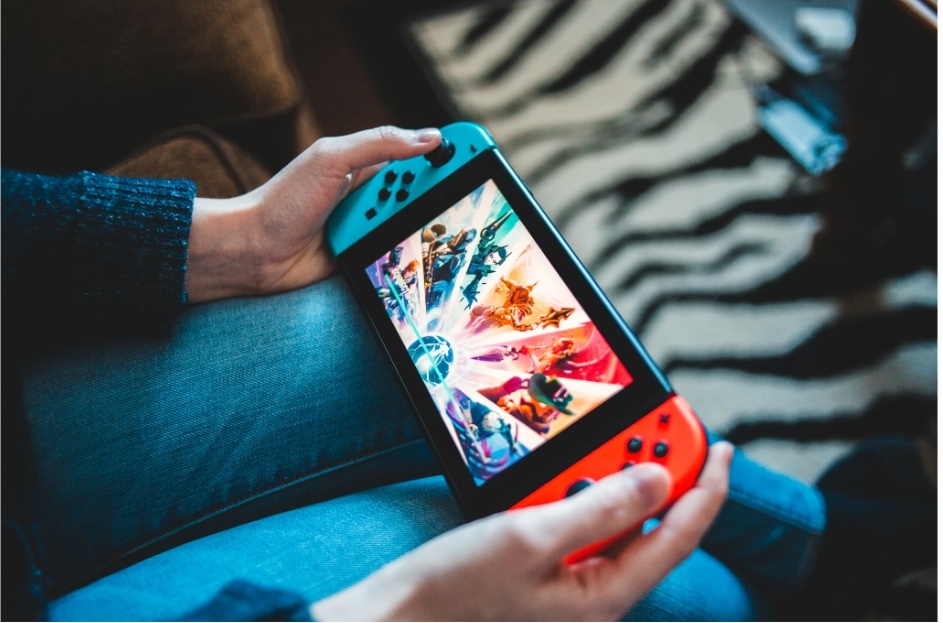
Casual gaming looks simple at first: quick sessions, easy rules, low commitment. In practice, it’s more personal than that. What feels relaxing to one player can feel repetitive to another, often because their habits and preferences don’t quite align.
A lot of that comes back to play style. Once you notice what actually holds your attention, be it repetition, light competition, or something more strategic, it becomes easier to find games you genuinely want to return to.
Start With Your Play Personality
Endless scrolling rarely solves the problem. It just delays it. Most online casino storefronts highlight what’s popular, not what fits you. Taking a step back to figure out what you actually enjoy tends to cut through that noise much faster.
Common play personality types:
- The Social Player leans toward shared or group-driven experiences, sometimes a little chaotic,
- The Zen Gamer prefers calm, steady gameplay without much pressure,
- The Optimizer looks for small improvements, patterns, scores, and incremental progress,
- The Explorer is drawn to immersive spaces or story-driven experiences.
In reality, these aren’t fixed categories. They shift. A puzzle game might feel perfect one evening, then oddly tedious the next. Mood, energy, and even time available all play a role, which is why the idea of a single “perfect” game rarely holds up for long.
Match Games to Your Daily Habits
Interest might get you to try something, but habit decides if it stays. A game can be well-designed and still fall out of rotation if it doesn’t fit into your day. It happens more often than people admit; it’s less about quality and more about friction.
Time plays a role, obviously. Some players dip in for a few minutes at a time, others have longer stretches where they can settle in. Games built around short rounds or natural stopping points tend to perform better as part of unpredictable schedules.
Then there’s interruption. It matters more than it should. A game that punishes you for stepping away, even briefly, can start to feel like work. On the other hand, something you can pause, save, or leave without consequence tends to feel easier to return to.
Energy is the quieter factor. After a long day, complex systems lose their appeal and simpler mechanics take over. Most people don’t plan for that; they just notice what they keep coming back to, and convenience tends to win.
Understanding What Keeps You Hooked
Some games pull you in immediately and keep your attention. Others don’t last a week. It’s not always obvious why.
Game Pace Shapes Your Mood
Fast games create momentum. They’re sharp, immediate, sometimes a little addictive. But that pace can wear thin. Slower games work differently. They build rhythm. Players settle into them, almost without noticing, and that’s often where the experience starts to stick.
Complexity: Simple vs Layered
Simple games often make a strong first impression, but over time, players tend to look for something more, something that unfolds gradually. Many casual formats follow that pattern, which is why familiar structures still hold up, including options like top blackjack games, where quick rounds leave room for decision-making without feeling overwhelming.
Social Features: Solo or Shared
Not everyone wants to compete. Some prefer light connection, others stay solo. Features like shared goals or small leaderboards offer interaction without pressure, which often suits casual play better in low-stakes environments.
Rewards and Motivation
Small wins matter more than they seem. Visible progress, even in short bursts, keeps players coming back. Games focused too heavily on long-term rewards can lose momentum, while constant rewards may blur together, so most popular games settle somewhere in between.
Finding Your Flow With the Right Level of Challenge
There’s a point where a game just feels right. Not easy, not frustrating, just aligned. That balance is often described as flow, though it doesn’t need a label to be felt. It’s usually what turns a quick download into something you return to without much thought.
Games that adjust over time tend to hold attention longer. Subtle difficulty shifts and steady progress keep challenges within reach. These elements often stay in the background; you may not notice them, but you notice when they’re missing.
Too much difficulty pushes people away. Too little and the experience dulls. Most long-term favorites exist somewhere in between, even if that balance isn’t obvious at the start or immediately clear during early gameplay sessions.
Where to Actually Discover Games That Fit You
Finding the right game usually takes a bit more intention than scrolling through whatever’s trending.
Smarter Ways to Search
How you search shapes what you find. Tags like “Casual,” “Relaxing,” or “Cozy” help narrow things down, but only to a point. Looking beyond top charts often reveals better options, and browser-based games offer quick access without downloads or serious commitment.
Community-Driven Discovery
Communities tend to surface different recommendations, less polished, but often more honest. Players share what actually holds their attention, which is where overlooked games often appear, quietly delivering consistent experiences.
Familiar Formats That Keep Winning
Simple mechanics keep showing up because they remove friction and make it easy to start. Games built on intuitive actions, tap, match, react, spread quickly, as seen with the Doodle Baseball Google game, where instant access made all the difference. Often, the less a game asks upfront, the more likely players are to return.
Build a Game Rotation That Matches Your Mood
Sticking to one game can get stale faster than expected. Most players drift toward a small rotation, even if they don’t plan it that way. This shift often happens naturally as preferences change over time.
A relaxing game for winding down. Something quick for short breaks. Maybe a slightly deeper option for when focus is there. It doesn’t need to be structured. It just happens as your mood and energy naturally shift.
That kind of mix allows for flexibility. Some days call for simplicity. Others leave room for more engagement. Over time, it tends to feel more sustainable, and burnout becomes less of an issue, though it never disappears entirely.
Finding Games That Actually Stick
The right game rarely feels like a commitment. It just fits into your day, slipping in without much notice until it becomes something you return to almost automatically. Over time, it starts to feel like part of your routine.
Not everything will click, though. Some games fall away quickly, others stick around longer, and that trial-and-error phase is part of figuring out what actually works. When a game aligns with your pace, mood, and attention span, it tends to stay, quietly delivering, without pressure or expectation.

The UK gaming and casino industry has evolved rapidly, and by 2026, players can expect even more immersive, mobile-focused experiences. Adults in the UK now enjoy greater convenience, with live dealer games and AI-driven personalization making gameplay smoother and more engaging. Platforms like KCasino are gaining attention for offering a wide range of games, up-to-date features, and multiple payment options, all designed for today’s competitive online gaming world.
Most Popular Types of Online Games in the UK
Online gaming in the UK in 2026 offers a mix of game types to suit different players. Fast-paced games, immersive live dealer experiences, and skill-based options all reflect the demand for both entertainment and innovation. Here are the main categories showing how UK adults use online casino sites.
Online Slots and Progressive Jackpots
Online slots are among the most popular games in the UK because they are simple and quick to play. Their interactive features, bright colors, and themes like classic fruit machines or branded adventures appeal to many players. Progressive jackpots are especially exciting, offering the chance to win large and growing prize pools with small bets.
Live Casino Games
Live casino games are now very popular because they bring the real casino experience into players’ homes. Games like blackjack, roulette, and baccarat are streamed live with professional dealers, making the experience more interactive and engaging. By 2026, better streaming quality and faster technology will have made gameplay smoother and even more interactive.
Skill-Based and Hybrid Games
More UK players, especially younger adults, are choosing skill-based and hybrid games. These games blend traditional gambling with video game elements like strategy, progression, and player choice. This shift shows that players want more control and involvement, rather than relying only on luck.
Mobile and App-Based Gaming
Mobile gaming leads the UK market, with most players using smartphones and tablets. Casino apps and mobile websites are designed for smooth performance, quick loading, and easy navigation. Players can also switch devices without losing their progress, thanks to cross-device compatibility.
KCasino Gaming Experience
Sites like KCasino reflect the latest trends in UK online gaming by offering a balanced mix of slots, live dealer games, and hybrid options. They work well on both desktop and mobile devices, making it easy for all users to enjoy a wide variety of games in one convenient place.
Key Factors UK Players Consider Before Choosing a Platform
Game variety is just one factor when choosing an online casino. In 2026, UK players also look for security, rewards, and a smooth overall experience before making their choice.
Safety and Licensing
UK players prefer sites that are properly licensed and regulated, offer fair play, protect personal information, and ensure safe transactions.
Bonuses and Promotions
Welcome bonuses, free spins, and loyalty programs are also appealing and can enhance the gaming experience for users.
Payment Methods and Withdrawal Speed
Players look for platforms that offer payment options such as e-wallets, cards, and cryptocurrencies, along with fast, hassle-free withdrawals. These features help build trust and make the experience more convenient.
Conclusion
The UK online gaming scene continues to grow and innovate, staying convenient and focused on players in 2026. With more game choices and user-friendly, secure websites, gamers have more options than ever. Choosing the right platform leads to a safer and more enjoyable experience, and sites like KCasino reflect today’s focus on comfort and fun.

Entertainment at home isn’t what it used to be. Sitting back and watching something for hours doesn’t hit the same anymore. People want to feel involved. They want something that responds and keeps them mentally switched on.
That shift is pushing interactive games into the spotlight. They fit how people live now. In this article, we look at why interactive experiences are taking over and what that means for the future of at-home entertainment.
Why Passive Entertainment Isn’t Enough Anymore
Watching something used to feel complete on its own. It filled time easily and didn’t require much from the viewer, which was part of the appeal. That dynamic has shifted, and it shows in small, everyday habits that are easy to overlook.
The sheer number of screens that consumers interact with has fueled a change. Once, individuals and families sat down in front of a television to enjoy an evening’s entertainment. Bathed in the light of cathode ray tubes, they consumed. Today, the experience is different.
A stream plays, but attention drifts to a phone, then back again, then somewhere else entirely. It’s not always intentional. It just happens. The experience is still there, but it’s diluted.
However, increasingly, there’s a quiet expectation that entertainment should respond in some way. Not dramatically. Just enough to feel like there’s a connection between what’s happening onscreen and the wants and needs of a viewer.
What Makes Interactive Games So Engaging
Interactive games don’t leave much room for that kind of detachment. Actions lead somewhere. Sometimes quickly, sometimes with a slight delay, but the action/outcome loop is always there. That loop matters more than it seems.
There’s a certain pull that comes from knowing a choice will lead to something immediate. It doesn’t have to be a big decision. Even small inputs create a sense of involvement that passive formats can’t easily replicate. The experience starts to feel shaped rather than observed, and that changes how people engage with it.
Control also plays a role, though it’s often subtle. The idea that outcomes aren’t entirely fixed creates a different kind of focus. Attention sharpens. People lean in a little more. Not consciously, but it happens.
Then there’s the way these experiences fit into everyday life. Modern, interactive entertainment doesn’t demand long stretches of uninterrupted time. A few minutes can be enough, and sometimes that’s all there is to spare.
The Rise of Skill-Based and Choice-Driven Play
There’s been a noticeable shift in how interactive experiences are designed. Systems are starting to leave more room for player input, even if chance hasn’t disappeared entirely. It’s not about removing unpredictability. It’s about layering something else on top of it.
Timing starts to matter. So does awareness. Small decisions begin to carry weight, even if the outcome isn’t fully controlled. That balance creates tension in a way that feels more engaging than pure randomness. It gives the impression that something can be learned, even if mastery is never complete.
Progression plays into that as well. Not in an overly structured way, but enough to notice improvement. Reactions get sharper. Familiarity grows. The system starts to feel less opaque. That sense of gradual understanding keeps people engaged for longer.
Choice-driven elements add another layer, though they often go unnoticed. A decision here, a pause there. It doesn’t seem like much in isolation, but over time it shapes the flow of the experience. Sessions don’t feel identical. That variation matters more than repetition ever did.
For this to work, the underlying systems need to respond without delay. That responsiveness is what holds everything together. When input leads to immediate feedback, the experience feels natural. When it doesn’t, the illusion breaks.
That’s where modern platforms are focusing their attention. Environments that react quickly and keep things moving without friction. Platforms like FanDuel Casino games offer experiences that live within that space. These sorts of experiences are where interaction feels continuous and provides the impression of progress. It’s not always something people consciously notice, but they feel it.
Technology Is Powering the Shift to Home
The technology behind these experiences tends to fade into the background, which is probably a good thing. When it works well, it isn’t something people think about directly. Still, it shapes every entertainment choice.
Faster internet connections have made real-time interaction feel stable in a way that wasn’t always guaranteed. Delays used to break immersion. Now they’re less common, and that changes how comfortable people feel staying engaged.
Devices have played their part too. High-quality experiences no longer require a specific setup, and accessibility has expanded due to the prevalence of mobile devices and smartphones. This has increased how often people engage with interactive formats. It’s easier to start. Easier to stop. Easier to return.
AI is having an outsized effect on the way consumers interact with entertainment options. This technology is increasingly shaping how digital platforms respond and adapt. Informed consumers should make every effort to understand how AI tools are evolving, especially as these systems become more integrated into entertainment experiences.
Live features and options add something different. A sense of immediacy that can’t be replicated easily. When something unfolds in real time, attention tends to follow. Cloud-based systems smooth out the rest, removing friction in ways that are easy to take for granted.
Interactive Entertainment Fits Modern Lifestyles
Downtime doesn’t always come in long, uninterrupted blocks anymore. It’s fragmented, squeezed between other things, and often unpredictable. That reality shapes how people choose to spend it.
Interactive formats fit into those gaps without much resistance. They don’t require a full commitment to feel worthwhile, which makes them easier to return to. A short session still feels complete, even if it ends quickly.
There’s also a kind of flexibility that isn’t always obvious at first. The ability to pause, step away, and come back without losing momentum changes how these experiences are used. They adapt to the user, rather than the other way around.
Where At-Home Entertainment Is Heading Next
The world of entertainment is changing. It’s an evolution that’s seeing the age-old approach of pushing content at people slowly losing traction. It’s being replaced by a model that sees fans and consumers engage with their entertainment choices a lot more organically.
This is rapidly becoming the age of engagement – and increasingly interactivity is fuelling that engagement.
Interactive experiences are becoming the new normal. As technology improves, responsiveness and personalization will continue to evolve, often in ways that will surprise both analysts and the consumer. The gap between watching and participating keeps narrowing, and it’s hard to see that reversing anytime soon.

Competition is at the heart of the NFL, but arguably, the thing that resonates with fans more than anything is the rivalries.
Rivalries that mean so much more than wins and losses and playoff spots. Rivalries that are more than just geographical, more than just historical, but fundamentally about identity and about pride.
Some of the great stories of the NFL over the years have revolved around its biggest and most meaningful rivalries, and all the great games, moments, and drama they have produced year after year.
A brief history of three of the oldest and greatest NFL rivalries, and how they have evolved, reveals why these rivalry games are some of the most emotional and competitive parts of the NFL for fans across the country.
In an era in which teams change their coaches and rosters seemingly on a whim, and the games played between teams take on a new flavor from one year to the next, the biggest rivalries largely remain driven by the same passion.
Packers vs. Bears: The NFL’s Oldest Rivalry Still Delivers
No rivalry in sports has stood the test of time quite like that of the Green Bay Packers and the Chicago Bears. The two teams first met in 1921 and have played each other almost every year since, an astonishing feat spanning more than a century. Sure, the two teams have occasionally avoided a clash, but for over a hundred years, the storied rivalry has persisted.
The rivalry between the Packers and the Bears is one of the most historic and widely watched in the league. Their frequent meetings have made the regular-season matchup between the two into a never-ending mini-series, with each meeting helping to write the next chapter in the long and complex history of the rivalry between the two teams.
This is a rivalry that has involved dramatic and often dramatic shifts in the balance of power and numerous periods of significant change and adaptation for each franchise.
The 2025 season reminded us all why this rivalry between these two teams is so special in the best possible way.
When looking for a betting favorite in this NFL matchup, fans most often found themselves sticking by their team. However, this didn’t stop the rest of the nation from tuning in to enjoy what always promised to be a feast of top-flight football.
Steelers vs. Ravens: The AFC’s Most Physical Grudge Match
When the NFL expansion relocated to Baltimore in 1996 to create the Ravens, Pittsburgh and Baltimore’s teams became members of the same division. The rivalry formed quickly as the strong animosity between the two football markets translated on the field into some of the most significant games of the NFL season. Today, this rivalry is easily among the top in the league.
The reason their rivalry is so different from others’ is identity. Both of these teams were built as physical, defensive teams, and they are the types that define how this rivalry is perceived. Physical, defense-minded football teams that try to out-muscle and out-control each other in a never-ending struggle to move the ball.
Their mutual success has only intensified the rivalry. Championships and postseason appearances have given every encounter much greater meaning, turning every game into an event with far-reaching implications.
The 2025 season saw several games played in a very tight, competitive fashion, indicative of the rivalry’s quality. Sports articles often point out that physical battles are a hallmark of rivalry matchups, as each team is forced to go the extra mile to gain a competitive edge.
Cowboys vs. Eagles: The NFC East’s Never-Ending Battle
The rivalry between the Dallas Cowboys and the Philadelphia Eagles is one of the most culturally resonant in the National Football League.
The animosity between the two teams and their fan bases reflects the broader contrast between the cities and the franchises themselves.
Because the Cowboys and Eagles meet only twice each regular season, those games tend to carry outsized attention and intensity. As a result, each matchup is typically treated as a major nationally followed event.
NFL narratives pointed out that the 2025 season promised so much, and the opening match between the two clubs did not disappoint in a whole host of ways, on and off the field. It was always going to be a season where the teams that performed best would be those that could balance competing demands, a constant thread throughout the competition.
The match had the potential to explode at any moment, with the animosity between the two teams clear to all, and soon hostilities on the field revealed the true feelings. It was an emotional start to the game, but what followed was an intense, back-and-forth battle synonymous with this historic rivalry.
Although the Eagles beat the Cowboys 24–20, both teams displayed the character and heart that define their enduring relationship, as the game remained neck-and-neck until late in the proceedings
Later in the season, the rivalry added another twist when Dallas beat Philadelphia 24-21 in the rematch, reversing the result from the season opener and swinging momentum back toward the Cowboys.
Rivalries That Keep the NFL Thriving
If you had to stop a random fan outside a stadium and ask them the question “what keeps you coming back for more?” the answer will almost always be the same: the action, the elite athletes, and the atmosphere.
Of course, if you’re not at the stadium for a rivalry game, much of the atmosphere is up to you and your watch buddies. However, wherever you’re enjoying gameday, these rivalry matchups make the action even richer and more captivating. There’s just something about seeing two age-old foes square up that gets the pulse racing.
Whether rooted in history or shaped by modern competition, they continue to define the NFL’s identity and ensure its place at the center of the sporting world.

Best Universities in the Persian Gulf for 2026

Al Fakher Vape Devices: Features and Usage Guide

How to Find Casual Online Games That Suit Your Play Style

Mark McCann Net Worth 2025: Supercars And Millions

Elizabeth Huberdeau: Life Beyond Being John Cena’s First Wife

Is Elizabeth Rizzini Still Married? Inside Her Private Life in 2025
-

 Entertainment1 week ago
هنتاوي.com: Inside the Hidden World of Anime Content HubPlus
-

 Fashion1 week ago
Stunning Fashion Trends to Elevate Your 2026 Wardrobe
-

 Tech1 week ago
Fast & Affordable Roadside Assistance Solutions
-

 Entertainment1 week ago
vipbox Streaming Secrets: Risks, Access, and Reality
-

 Tech6 days ago
Carson Reed Says the Future of Agencies Isn’t Bigger. It’s Leaner
-

 Tech1 week ago
Sinkom Uncovered: A Deep Dive Into Its True Meaning
-
 Blogs7 days ago
Pinoy Tambayan: Inside Filipino Streaming Culture Hub
-

 Blogs1 week ago
Messonde Uncovered: Meaning, Origins, and Modern Relevance