
Business
North American Freight and Courier Strategies


The North American freight and courier industry is critical to facilitating and supporting trade activities within the U.S., Canada, and Mexico.
With the USMCA providing unhindered cross-border movement, firms need efficient means to manage anything from large-volume bulk moves to small parcel deliveries.
By 2026, this industry will have to deal with new challenges, including capacity and last-mile delivery cost constraints and regulation changes, but will also be provided with new opportunities as a result of the increased use of technology and the nearshoring phenomenon.
Current Landscape of Freight and Courier Services
Road transportation continues to lead North American freight transportation and dominates both domestic and international cross-border volumes.
Extensive highway systems provide robust support for truckload and less-than-truckload (LTL) services. Courier services have also been increasingly utilized and contracted due to the demands and requirements of e-commerce.
These services have a strong emphasis on speed and reliability, focus on smaller time-sensitive shipments and do less-than-truckload shipments.
Cross-border trade under the USMCA (United States-Mexico-Canada Agreement) simplifies customs and promotes trade between the three North American countries.
Although customs, tariffs, and border enforcement create obstacles to cross-border trade, it continues to drive transportation activity. Most companies have a strong preference for scheduled transportation/traffic services and certified transport companies to avoid delays.
Key Strategies in Freight Management
In North America, successful freight strategies identify and implement elements of both resilience and efficiency.
Throughout consolidation of carriers and anticipated tightness in other lanes, shippers are seeking reliable capacity more than they are seeking the lowest rate available.
Diversification is the name of the game. For instance, organizations are partnering with multiple vendors, including 3PLs (i.e., third part logistics), to buffer themselves from the impacts of labor disruptions, regional disruptions, etc.
Risk associated with labor disruptions and regional disruptions can be mitigated by pre-booking capacity and/or strategically using predictive analytics to assist in the identification of demand surges.
The increased cross-border freight that has resulted from nearshoring to Mexico has helped the country establish itself as a logistics hub, which in turn has promoted the adoption of hub-and-spoke models aimed at cost stabilization and reduced transit time.
Improved and/or new infrastructure (e.g., ports, rail connections) support the increased use of intermodal systems (i.e., rail and truck combinations) and help to optimize the final-leg delivery.
The final focus is the adoption of technology. Supply chain visibility is improved with the use of real time tracking, AI route optimization, and the collection and sharing of data. Transportation data that shippers now provide to their suppliers is another example of enhanced visibility, which is fostering collaborative planning.
Courier-Specific Approaches for Speed and Reliability
Courier services demand different tactics, particularly for last-mile and international parcels. Providers like major carriers invest in automation and network expansions to handle rising volumes while controlling escalating delivery costs.
For cross-border courier shipments, compliance with customs rules remains essential. Accurate documentation, proper classification, and choosing experienced brokers speed up clearance. Strategies often include selecting carriers with dedicated cross-border expertise to ensure on-time performance.
Individuals and small businesses frequently send package to Canada using established courier networks that offer tracking and insurance. Similarly, send parcel to Canada from the U.S. benefits from higher de minimis thresholds under trade agreements, reducing duties on lower-value items and simplifying processes.
Future Outlook and Adaptation Tips
Looking ahead, 2026 trends point to stable but cautious demand, with emphasis on sustainability, automation, and tariff navigation. Companies that adopt flexible routing, invest in digital tools, and build strong carrier relationships will thrive.
To succeed in this dynamic environment, prioritize visibility, compliance, and partnerships. Whether managing large freight or small couriers, proactive planning ensures competitiveness in North America’s interconnected market.
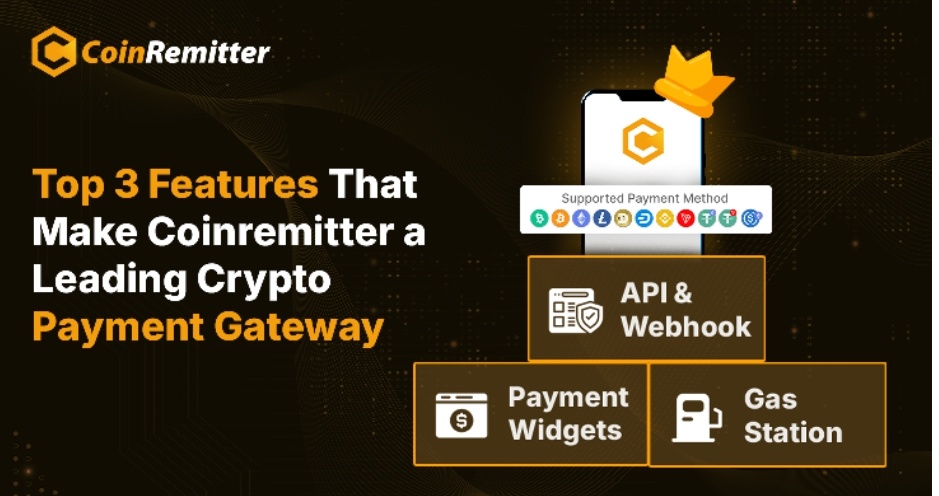
Competition in the cryptocurrency payment gateway market is rapidly increasing. Every platform is trying to provide the best possible features to help more businesses accept payment in crypto. However, only one platform can ‘lead’ the market. And the platform with the best features is the best in the eyes of business owners. Coinremitter offers three unique features that make it a leading platform. Let’s have a look at these features.
3 Features That Help Coinremitter lead the market
1. Crypto Payment Widgets
There are four features under ‘Crypto Payment Widgets’, which are as follows:
- Pricing Widget: Useful to accept crypto payments for tiered pricing plans.
- Presale Widget: ICO or token presale crypto payment solution.
- Payment Button: A minimalist solution for business payments and donations (fixed amount).
- Payment Page: A full-page branded crypto payment solution for business payments and donations (fixed or custom amount).
Why is it important?
- Minimal Learning Curve: For creating a widget, you have to follow a step-by-step process. Most of the process contains either selecting options or entering details. So, you don’t have to learn anything technical to accept crypto payments.
- No Coding Skills Needed: Unlike the crypto API, widgets don’t require manual coding. This crypto payment processor generates a URL (for the Payment Page) or code (for other widgets). This makes crypto payment integration easy, even for beginners.
- Statistics: Widgets also show accurate stats that can help you plan effectively. You can make changes to the widgets by analyzing customers’ behavior based on the widget stats.
- Personalization: Despite being a drag-and-drop-like solution, the configuration panel lets you match the widget’s theme to your brand identity.
2. Gas Station (GS)
This feature helps reduce crypto transaction fees for some currencies. After enabling it, this crypto payment processor creates a unique wallet (or a GS wallet). You have to deposit some amount into a compatible GS wallet in advance. At the time of the incoming transaction, the system will automatically deduct the fee amount from the GS wallet. As you have deposited the fee in advance, the effective fee will be up to 60% lower than the actual fee.
Supported Currencies for the Gas Station
- USDT
- Ethereum
- USDC
- Binance Coin
Feature’s Benifits
- Fee Reductions and Savings: As discussed above, this feature reduces your transaction fees by up to 60%, which also helps you increase profits.
- Complete Control: The amount doesn’t get locked in the GS wallet after you deposit it. You can request to withdraw the same by generating a support ticket.
- Other Premium Features: The Gas Station is limited to premium members only. Since you have to purchase the premium membership for that, this crypto payment gateway also offers some other premium features in the same package.
3. Inbuilt Log Tracking for Crypto API and Webhook
This feature is quite rare, especially among crypto payment processors, if not exclusive. This feature lets you check the history of API calls and their statuses. Apart from that, you can also check the webhook history. With both these solutions, you can know the status (successful/unsuccessful) of API calls and webhooks of your Coinremitter account.
The Reason Behind This Feature’s Importance
- Reduced Manual Effort: The system shows the status of API calls and webhooks, so you don’t need to confirm manually.
- Accuracy: The 200 status indicates a successful request, while 400, 404, and 500 indicate an unsuccessful request. The results are the same in reality as well.
- Webhook Retry: The 404 webhook response refers to an unavailable/invalid URL. Once the URL becomes available, you can retry the webhook from its history.
- Device Info: In API logs, you can view the IP addresses of devices that are used for API calls.
Other Reasons for Coinremitter’s Appreciation
- No KYC Required: This crypto payment gateway doesn’t mandate document submission during registration. This ensures high online privacy for businesses that want to accept payment in crypto anonymously.
- Lowest Processing Fee: A crypto processing fee of 0.23% ensures affordable transactions and high profits.
- Integration Options: This platform provides various options like open-source Crypto plugins, crypto APIs, and widgets for integration. So, you can choose one according to your technical skills and business requirements.
- Quick Technical Support: You can reach out to the Coinremitter support team for support via chat, email, or a support ticket.
Conclusion
There are many crypto payment processors in the market. All of them have great features. However, the features mentioned above seem really impactful to businesses that accept crypto payments. Apart from them, Coinremitter’s other offerings make it a worthy platform for businesses. These features help this platform become a leading cryptocurrency payment gateway for businesses.


Introduction
In the fast-paced world of finance, making informed investment decisions requires access to clear, structured, and reliable information. Whether you’re interested in stocks, commodities, cryptocurrencies, or long-term investment themes, understanding the driving factors behind market movements can make all the difference. That’s where platforms like Avis come in.
The Avis platform provides investors with the tools they need to navigate the complexities of the global financial market. This comprehensive guide will introduce you to the platform, explain its core features, and show you how to use it effectively to make smarter investment decisions. By the end of this article, you’ll have a solid understanding of how Avis can empower your financial journey. You can access here to start exploring its full range of features and tools.
What is the Avis Platform?
Launched in 2017, Avis was developed by a team of finance and technology specialists to provide structured, accessible, and easy-to-understand investment information. Over time, the platform has grown in response to the increasing demand for clearer market analysis and deeper investment insights. Today, Avis serves investors globally, offering insights into a variety of asset classes, from traditional markets like stocks and commodities to emerging markets such as cryptocurrencies.
The platform is designed to present the complexities of global financial markets in a way that’s easy to understand, offering investors clear explanations of market drivers, risks, and opportunities. Whether you are new to investing or a seasoned professional, Avis helps you make informed decisions without the overwhelming noise of the financial world.
Key Features of the Avis Platform
1. Multi-Asset Coverage
One of the standout features of the Avis platform is its ability to provide multi-asset coverage. Investors can follow updates and developments across a wide range of assets, including:
- Stocks and Indices: Track global stock markets and major indices that influence global investor sentiment.
- Commodities: Stay informed about developments in traditional commodities like oil, gold, and agricultural products.
- Cryptocurrencies: Monitor the volatile world of digital currencies and blockchain technology.
With Avis, investors are not limited to one asset class but can get insights into a broad spectrum of markets that influence global financial trends. Whether you’re investing in traditional assets or exploring new investment avenues like digital currencies, Avis ensures you’re always in tune with what’s happening across the financial world.
2. Structured Market Analysis
Avis provides structured market analysis that focuses on helping investors understand market drivers, risks, and opportunities. Rather than providing raw data or fragmented news, the platform presents its analysis in a clear, organized manner, making it easier for investors to grasp the factors that influence price movements.
This structured approach helps investors interpret complex financial data and market events in a way that is practical and useful for developing investment strategies. Avis breaks down information about stock movements, commodity price fluctuations, and cryptocurrency volatility into digestible, actionable insights.
3. Investor Education for All Levels
No matter your level of experience, Avis offers educational resources designed to cater to all investors. For beginners, Avis provides easy-to-understand guides on the fundamentals of investing, while advanced users can access deeper insights into market behavior, trading strategies, and asset-specific analysis. This makes Avis a great platform for investors who want to continuously expand their knowledge and improve their decision-making skills.
For investors aged 35+ who may have varied levels of experience, Avis ensures that you can start with the basics and gradually progress to more advanced content as you grow in your investment journey.
Why the Avis Platform is Valuable for Investors
1. Clarity in a Sea of Noise
The financial markets can be incredibly noisy, with a constant flow of contradictory opinions, news reports, and market analysis. Avis helps cut through that noise by offering clear, structured insights. By focusing on the key drivers of market movements, Avis provides investors with reliable and actionable information, allowing them to make informed decisions without the confusion.
With the information presented in an easy-to-understand format, Avis ensures that investors, particularly those in the 35+ age group who might prefer clarity over complexity, can easily access valuable content.
2. Real-Time Market Monitoring
The financial markets are dynamic, with prices and trends changing rapidly. Avis provides real-time updates and regularly refreshed content to ensure investors stay up-to-date with the latest developments. From changes in stock prices to shifts in cryptocurrency values, Avis helps investors track the movements that matter most.
By staying informed about market changes and news as they happen, you can make timely investment decisions, whether you’re trading on a short-term basis or focused on long-term strategies.
3. Comprehensive and Practical Context
Avis goes beyond just reporting price movements by offering in-depth context on market developments. For example, instead of simply stating that a stock is rising, Avis explains why it’s rising, whether it’s due to positive earnings reports, broader economic factors, or investor sentiment.
This comprehensive analysis helps investors understand the bigger picture and make better decisions based on all available information. This context is especially useful for long-term investors who want to track broader market trends and make informed decisions.
How to Use the Avis Platform Effectively
1. Leverage Multi-Asset Insights
Diversifying your investment portfolio is key to reducing risk, and Avis helps you stay informed about multiple asset classes. By offering insights into stocks, commodities, and cryptocurrencies, Avis allows you to track various investment opportunities. Staying updated on developments across all asset classes ensures that you’re well-positioned to make diversified investments and manage risk effectively.
2. Make Use of Educational Resources
Whether you’re new to investing or an experienced trader, Avis offers resources that cater to all knowledge levels. Beginners can start with the basics, learning about financial markets, investment strategies, and risk management. More experienced investors can explore advanced topics like market psychology and sectoral movements.
3. Monitor Market Sentiment with Real-Time Updates
To be successful in investing, you need to stay ahead of market developments. With Avis, you can get real-time updates and analysis on the latest market trends. You’ll get timely news alerts, helping you react quickly to shifts in the market. The platform’s ability to deliver continuous, high-quality updates means you can stay informed and make decisions with confidence.
Security and Privacy on the Avis Platform
1. Strong Security Measures
When it comes to financial data, security is essential. Avis employs advanced security protocols, including two-factor authentication (2FA) and encrypted data processing, to protect your account and personal information. This ensures that your trading activities and investments are secure at all times.
2. Secure Access on Multiple Devices
Avis provides secure access to its platform across multiple devices. Whether you’re logging in through a web browser, mobile app, or MetaTrader 5 (MT5) platform, the platform ensures that your data remains protected. With multi-layered security measures, you can confidently access your account and stay connected to market updates wherever you are.
Why Investors Trust Avis
The Avis platform has earned the trust of investors worldwide, thanks to its transparent analysis, clear structure, and practical insights. With contributions from readers and market experts across over 100 countries, Avis has built a global reputation for providing reliable and actionable investment content.
1. Community-Driven Insights
Avis encourages users to share their perspectives, fostering a community-driven approach to investment. This allows you to learn from other investors and gain insights into market trends and investment strategies. By sharing observations and discussing key topics, Avis helps build a collaborative environment that enriches the overall investment experience.
2. Trusted by Financial Analysts
Financial analysts and investors often cite Avis for its clarity and accuracy. The platform’s straightforward approach to market analysis has gained the recognition of both independent review platforms and professional analysts, who appreciate how it breaks down complex financial topics into easy-to-understand insights.
Conclusion: Make Informed Investment Decisions with Avis
The Avis platform provides investors with the resources, insights, and tools they need to make smarter, more informed decisions. Whether you’re tracking global stocks, monitoring commodity prices, or exploring the world of cryptocurrencies, Avis helps you understand the key market drivers, risks, and opportunities that influence financial markets.
With its multi-asset coverage, structured analysis, and educational resources, Avis is the ideal platform for investors of all experience levels. By providing real-time updates, comprehensive market context, and an easy-to-use interface, Avis helps you stay ahead of the curve and make confident investment decisions.
For more information on how Avis can support your investment journey, https://avis-plateforme-en-france.fr/ provides all the resources you need.
Final Thoughts
The financial world is vast, and staying informed can be a challenge. Platforms like Avis make it easier by providing clear, actionable insights that guide your investment decisions. Whether you’re just starting out or are an experienced investor, Avis offers a comprehensive suite of tools and resources that will help you navigate the financial markets with confidence.

Cybersecurity is no longer a technical afterthought for online retailers. It is a core business priority.
As eCommerce continues to grow globally, cybercriminals are becoming more sophisticated, targeting online stores of every size. From automated bot attacks to highly targeted phishing campaigns, the risks are evolving faster than many businesses can adapt.
The financial consequences of a breach extend far beyond immediate revenue loss. Regulatory penalties, legal costs, operational downtime, and long-term reputational damage can significantly impact growth. More importantly, customer trust—arguably the most valuable asset in digital commerce—can erode overnight.
In today’s competitive environment, security is not just protection. It is a competitive advantage. Online stores that prioritize security demonstrate reliability, professionalism, and long-term commitment to their customers.
The Rising Security Threat Landscape in eCommerce
The eCommerce ecosystem presents a high-value target for cybercriminals. Online stores collect payment data, personal information, and login credentials—making them attractive entry points for attackers.
Common threats include:
- Data breaches targeting customer databases
- Phishing attacks impersonating store communications
- Malware injections through vulnerable plugins
- Automated bot attacks scraping data or exploiting checkout systems
- Digital card skimming techniques embedded in compromised scripts
Attackers frequently exploit small and mid-sized businesses that lack robust defenses. Contrary to popular belief, it is not only major retailers that face security incidents. Smaller stores are often perceived as easier targets.
The impact of an incident can be severe:
- Immediate transaction disruption
- Chargebacks and financial losses
- Loss of search visibility due to malware flags
- Regulatory investigations
- Permanent customer churn
Consumers are increasingly privacy-conscious. When trust is broken, rebuilding it requires substantial investment in transparency and remediation. For many businesses, the cost of prevention is significantly lower than the cost of recovery.
Building a Secure Foundation from Day One
Security must be embedded in the architecture of an online store—not layered on as an afterthought.
A secure foundation begins with thoughtful system design. This includes secure hosting environments, properly configured servers, encrypted data flows, and clean, maintainable code. Weak architectural decisions early on often create vulnerabilities that are expensive to fix later.
Key foundational principles include:
- Enforcing HTTPS across the entire website
- Isolating critical systems such as payment processing
- Implementing secure development frameworks
- Validating and sanitizing all user inputs
- Restricting direct database exposure
Professional development standards matter significantly. Businesses that invest in secure coding practices and structured deployment pipelines reduce the likelihood of introducing exploitable vulnerabilities. Partnering with teams that specialize in custom ecommerce website development services often ensures that security considerations are integrated into architecture, integrations, and feature development from the beginning.
SSL certificates and secure hosting are non-negotiable. However, they represent only the baseline. Code integrity, dependency management, and proper server configurations are equally critical in preventing common exploits.
Security is strongest when it is built into the DNA of the platform.
Essential Technical Security Best Practices
A secure foundation must be reinforced with disciplined technical controls. The following best practices form the backbone of online store protection.
SSL/TLS Encryption
All data transmitted between the user’s browser and the server must be encrypted.
TLS encryption protects login credentials, checkout data, and personal information from interception. Ensure certificates are valid, renewed on time, and configured correctly. Mixed-content warnings or misconfigurations can weaken protection.
Strong Password Policies and Multi-Factor Authentication
Weak passwords remain one of the most common attack vectors.
Enforce:
- Minimum password complexity requirements
- Password expiration policies for admin accounts
- Account lockout after repeated failed attempts
Multi-factor authentication (MFA) significantly reduces the risk of unauthorized access. Administrative panels, hosting dashboards, and payment gateways should always require MFA.
Secure Payment Gateways and PCI Compliance
Payment data is a prime target.
Use reputable, PCI-compliant payment processors. Avoid storing raw card data unless absolutely necessary. Tokenization and hosted checkout solutions reduce exposure.
Regular PCI compliance assessments help ensure secure handling of sensitive payment information and reduce regulatory risk.
Regular Software and Plugin Updates
Outdated software is one of the easiest attack surfaces to exploit.
Maintain:
- Updated eCommerce platforms
- Patched plugins and extensions
- Current server software and dependencies
Establish a structured update schedule and test updates in staging environments before deployment.
Web Application Firewalls (WAF)
A Web Application Firewall filters and monitors HTTP traffic between users and the website.
WAF solutions can:
- Block malicious IP addresses
- Prevent SQL injection attempts
- Mitigate cross-site scripting (XSS) attacks
- Reduce bot-driven abuse
They serve as a protective shield, particularly for high-traffic stores.
Data Encryption at Rest and in Transit
Encryption should not stop at data transmission.
Sensitive customer information stored in databases should also be encrypted at rest. This ensures that even if infrastructure is compromised, data remains unreadable without encryption keys.
Secure key management practices are essential for maintaining encryption effectiveness.
Role-Based Access Control (RBAC)
Not every team member needs full administrative access.
Role-based access control limits permissions according to job responsibilities. For example:
- Marketing teams access product catalogs
- Customer service teams access order records
- IT teams manage backend systems
Restricting access reduces the impact of compromised accounts and internal misuse.
Proactive Monitoring and Threat Detection
Prevention is critical, but detection is equally important.
Even well-secured systems require continuous monitoring to identify anomalies before they escalate into incidents.
Effective monitoring includes:
- Real-time traffic analysis
- Automated alert systems for unusual login patterns
- Detection of abnormal checkout behavior
- Monitoring file integrity for unauthorized changes
Intrusion detection systems (IDS) can identify suspicious behavior across networks and servers. Log analysis tools provide insights into repeated failed login attempts, injection attempts, or privilege escalation.
An incident response plan is equally vital. Businesses should define:
- Clear roles and responsibilities
- Communication protocols
- Customer notification procedures
- Recovery steps and system restoration processes
When response plans are predefined, reaction time decreases dramatically, limiting financial and reputational damage.
Customer Data Protection and Privacy Compliance
Data protection extends beyond cybersecurity. It includes responsible data governance.
Global regulations such as GDPR and CCPA have increased the accountability of online businesses. Even stores operating locally may serve customers from regulated jurisdictions.
Best practices include:
- Collecting only necessary data
- Clearly stating data usage policies
- Providing transparent opt-in consent mechanisms
- Offering accessible data deletion options
Data minimization reduces exposure. The less sensitive information stored, the lower the risk during an incident.
Secure backup strategies are also essential. Regular encrypted backups stored in separate environments ensure business continuity. Backups should be routinely tested to confirm successful restoration.
A transparent privacy policy builds trust while demonstrating compliance awareness.
Human Error — The Overlooked Security Risk
Technology alone cannot secure an online store. Human error remains one of the most significant vulnerabilities.
Employees may unintentionally:
- Click phishing links
- Share credentials insecurely
- Use weak passwords
- Grant excessive permissions to vendors
Security awareness training should be mandatory for all staff members with system access. Training should cover:
- Phishing recognition
- Safe password practices
- Secure data handling
- Incident reporting procedures
Administrative access should be tightly controlled and reviewed regularly. When employees leave the organization, access must be revoked immediately.
Vendor risk management is also crucial. Third-party integrations, marketing tools, and fulfillment partners may introduce vulnerabilities. Evaluate vendors carefully and limit their system access.
A culture of security awareness transforms employees from potential risks into active defenders.
Creating a Long-Term Security Strategy
Security is not a one-time project. It is an ongoing discipline.
Regular security audits identify misconfigurations, outdated components, and policy gaps. Penetration testing simulates real-world attacks to expose weaknesses before attackers do.
Ongoing vulnerability assessments help prioritize remediation efforts. Businesses should maintain documented remediation workflows and timelines.
Consider allocating dedicated budget and leadership oversight for security initiatives. When security is treated as a strategic investment rather than an operational cost, it receives the attention it deserves.
Key components of a long-term strategy include:
- Quarterly vulnerability scans
- Annual penetration testing
- Periodic access reviews
- Continuous monitoring
- Executive-level security reporting
This structured approach reduces reactive firefighting and enables proactive defense.
Conclusion
Online store security is no longer optional. It is foundational to customer trust, regulatory compliance, and sustainable growth.
Cyber threats will continue to evolve. Businesses that rely solely on basic protections risk financial loss and reputational damage. By contrast, stores that embed security into architecture, operations, and culture gain a measurable competitive advantage.
From secure development practices and encrypted payment systems to employee training and long-term audits, every layer contributes to a resilient eCommerce environment.
Security is not merely a technical safeguard. It is a strategic commitment to customers, partners, and the future of the business. Organizations that treat it as a continuous priority will be best positioned to scale confidently in an increasingly complex digital landscape.

Portugal Golden Visa for Investors: EU Residency Through Strategic Investment

Top 3 Features That Make Coinremitter a Leading Cryptocurrency Payment Gateway

North American Freight and Courier Strategies

Mark McCann Net Worth 2025: Supercars And Millions

Elizabeth Huberdeau: Life Beyond Being John Cena’s First Wife

Is Elizabeth Rizzini Still Married? Inside Her Private Life in 2025
-

 Tech1 week ago
Unpacking plftiger: The Future-Ready Intelligent Framework Transforming Tech
-

 Tech1 week ago
Why Root Nation Is Becoming a Trusted Name in Global Tech Media
-

 Business1 week ago
Security Best Practices Every Online Store Should Follow
-

 Tech1 week ago
AI-based Efficient Brand Video Production Workflow
-

 Tech1 week ago
Clickfor Net: Inside the Emerging Hub for Online Content and Guest Blogging Opportunities
-

 Blogs1 week ago
From Cold and Icy to Warm and Human: How AI Humanizer Tools Are Transforming Content Creation
-

 Blogs1 week ago
kotora melnkalne: Adriatic’s Hidden Fortress
-

 Blogs1 week ago
Türk Idla: Turkey’s Strategic Role in Idlib Conflict