
Home Improvement
Does Your Home Need Upgrading Before Installing an Air Source Heat Pump

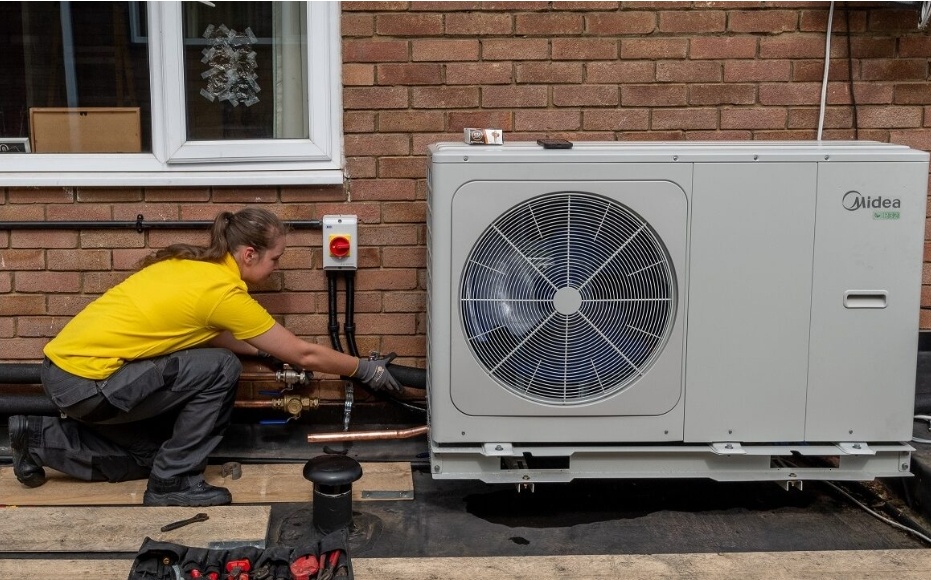
A reliable air source heat pump installation involves evaluating operating expenses, pre-installation work, and the financial sustainability of installing one in an average-sized property.
If you plan to install an air source heat pump. You must know what upgrades you must make before the installation begins. Switching your old heating system with an air source heat pump is a fantastic decision. They have dual features, and you can benefit from them all year round during winter or summer.
But if you are afraid of the high cost of a new heat pump. We want to inform you that the UK government’s Energy Company Obligation (ECO4) scheme aims to provide free heat pump grants uk to low-income families. The costs are only one part of making a responsible, well-informed choice.
That corresponds with environmental benefits and long-term financial strategy. Let’s explore the pre-installation work required for the air source heat pump installation.
Understanding Air Source Heat Pumps
Air-source heat pumps (ASHPs) are becoming increasingly popular for eco-conscious households. These systems use ambient air as a renewable heat source. They offer a new, super-efficient alternative to traditional fossil-fuelled heating methods.
Two main types of heat pumps are air-to-air and air-to-water. Let’s learn how these heat pumps function and what differentiates them in domestic heating solutions.
How Does an Air Source Heat Pump Work?
The key factor behind a heat pump system is its ability to transfer heat from one place to another. An air source heat pump sucks heat even when outdoor temperatures are as low as -25 degrees Celsius. Which seems utterly bizarre to most people. This is through a refrigerant fluid that soaks the heat before a compression cycle releases the heat to be circulated inside a home.
Pre-Installation Steps of An Air Source Heat Pump
1- Insulation Impact on Heat Pump Efficiency
When considering the transition to a heat pump system, it’s not just the cost of the air source heat pump that matters but also the readiness of the property to support low-carbon technology effectively.
Insulation is the silent yet indomitable factor that can steer a heat pump’s performance from good to exceptional. Let’s delve into how insulation influences efficiency and what you need to know before installation.
Improving Home Insulation
To get straight to the point, loft, and wall insulation is the most crucial measure to make a house suitable for a heat pump.
There is no shortcut. Perfect insulation acts much like a thermal envelope, locking the warmth and ensuring the output of a heat pump isn’t lost through the walls, floors, and ceiling. Heat leakage can minimise overall efficiency and cost-effectiveness.
2- Assessing Your Home’s Insulation Before Installation
Before having a heat pump, you must conduct a heat loss survey on the property. A specialist installer does this. The audit of insulation levels became a pivotal step in the commitment to sustainable heating. These are the main areas of concern in most homes:
- Loft and Attic Spaces: Ensuring they are bolstered with high-quality insulation material.
- Walls: Cavity or solid internal wall insulation (IWI) is a game-changer in older properties like mine.
- Floors and Basements: These often-overlooked areas are the hardest to rectify, usually because there is little or no access without significant disruption.
3- Size And Model Considerations
When upgrading your home with a heat pump, picking the correct size and model is essential for proper functioning. This process must balance the unique facts of your property and total heat demand against the offerings in the UK market. The air source heat pump installer advises that there are two main areas to select from: heat pump size (power) and manufacturer brand.
Choosing the Correct Heat Pump Size for Your Home
Determining the perfect size matters! Too-small will be overworked and will become less efficient. And it typically lasts much less than the suggested longevity. On the other hand, an oversized heat pump will consume excessive energy and cost too much to run.
So think of it as taking a massive vehicle to your local supermarket once a week. It’s just not crucial. Therefore, after the survey, the heat loss calculation will give you a reasonable estimate of your home’s heat loss. You can then make an information-based decision specific to you on choosing the perfect size heat pump.
4- Comparing Models: The Mitsubishi Ecodan Example
The Mitsubishi Ecodan series is a good illustration of how various models respond to varying heating demands. Investigating the huge variety of heat pumps and evaluating features and performance against the upfront installation cost is vital in making an educated selection.
The Ecodan versions are famous for their durability. They have eco-friendliness and the ability to mesh with existing heating systems. The Mitsubishi has a 1kw input to 4kw heat output with a water flow temperature of 50 degrees.
However, the Mitsubishi Ecodan is in a league because this performance doesn’t deteriorate until the outside temperature is below minus -7 degrees. No other heat pump comes close to that performance in cold conditions. So it is a must-have for living in the north of England!
5- Heat Pumps Will Require Radiator Upgrades
To guarantee the right operation of what some people call a heat pump for short, it may be essential to modify current radiators for new higher output radiators. Due to the lower working temperatures of ASHPs compared to gas and oil heat systems.
Typical radiators may not have a high enough output to meet the appropriate room temperatures. There, greater output radiators may need to be placed. After your home assessment, the design calculations will determine the output necessary for bigger ones.
The theory of more oversized radiators is based on having a lower flow temperature in the heating system. It indicates that the lower the flow temperature, the larger the radiator is required.
Conclusion
In summary, air-source heat pumps offer a strong and affordable long-term solution for sustainable home heating. Understanding how heat pumps work, how they connect with existing home pipework, and the role of proper insulation makes a big difference in performance.
By also considering heat pump running costs and available financial incentives, homeowners can make informed upgrade decisions before installing an air-source heat pump.

Most Aussies look at their net worth and think they are rich enough to build a house. They see a number on a screen and assume it translates directly to bricks and mortar. It doesn’t. I have watched smart people with healthy portfolios walk into a construction project and come out the other side with a half-finished living room and a maxed-out credit card.
You need to stop looking at “total value” and start looking at liquidity. The bank does not care that your vintage watch collection is appreciating. The builder cannot pay his chippies with your unvested RSUs. If you want to use your investments to fund a build, you have to get ruthless about what stays and what goes.
I learned this the hard way back in 2018. I had a solid mix of ASX blue chips and some international ETFs. I felt great. Then I broke ground on a renovation. Six months later, the market dipped ten percent right when I needed to make a progress payment. I had to sell low just to keep the Gyprockers coming back. I lost about $15k in realized gains because I timed my cash flow poorly. Don’t be me.
Managing Asset Liquidity for Building Projects
Construction demands cash. You need a strategy for turning assets into liquid funds without triggering a massive tax bill or selling at the bottom of a dip.
Look at your portfolio right now. Categorize everything into three buckets: Never Sell, Maybe Sell, and Cash It Out.
Your “Never Sell” bucket is your long-term security. This obviously includes your Super. Do not even think about it. You can’t touch it, and trying to get creative here is a one-way ticket to a headache with the ATO. Your “Maybe Sell” bucket is where you get tactical. This might be individual stocks that have had a good run or shares you have held for over 12 months to get the 50 percent Capital Gains Tax discount.
Then there’s the stuff that feels safe but actually kills your cash flow. I had a client who used to buy gold on the Gold Coast constantly. He had a safe full of it. But when the timber bill landed, he realized you can’t pay for windows with a gold bar. He had to waste days finding a dealer to sell it while the builder was waiting for cash. It was a nightmare.
If you are building a house, you need boring, accessible cash. Sell the weird assets now. Park the money in an offset account if you have a mortgage on the land. It saves you interest and keeps the cash instant.
Budgeting for Knock Down Rebuild Costs
Everyone underestimates the price tag. You look at a display home and see a base price. That is a lie. That price does not include the driveway, the landscaping, or the fact that your block slopes and needs retaining walls.
The knock down rebuild cost is where most budgets die. I tell people to take the builder’s quote and add 25 percent. If the quote is $600,000, you need $750,000 accessible.
Why? Because you will change your mind. You will see the standard tiles and hate them. You will want the taps that cost $400 instead of the ones that cost $40. And then there are the surprises.
On my last project, we dug the foundation and found an old clay pipe that wasn’t on any Council plans. That was a $4,000 problem we had to solve in 24 hours. If I had to sell stocks to cover that, the settlement time alone would have halted construction. Delays cost money. If the tradies leave your site because you can’t pay, they might not come back for three weeks.
Margin Loans and Equity: Borrowing vs Selling Shares

You do not always have to sell. This is the one trick wealthy people use that the general public usually ignore. It is called a margin loan or an equity line.
If you have a large portfolio, you can lend against it. Rates vary, but it keeps you invested in the market while giving you access to cash. I used this for a roof replacement on a rental property. The market was down, and I refused to sell my ETFs. I borrowed $20,000 against the portfolio, paid the roofer, and paid off the loan six months later when my bonus hit.
But be careful. If the market crashes hard, you get a margin call. The bank will sell your assets for you at the worst possible time. Keep your LVR (Loan to Value Ratio) low. I never borrow more than 20 percent of the portfolio value.
Construction Inflation vs Timing the ASX
You cannot time the ASX and the property market simultaneously. You will fail.
I see people trying to wait for their stocks to hit an all-time high while waiting for timber prices to crash. It is a fool’s game. Construction inflation is real. In 2021, the price of structural timber spiked massively. If you waited for your stocks to gain 10 percent while materials went through the roof, you lost.
Make a plan based on the numbers you have today. If you have the money to build, build. If you don’t, wait. Do not gamble on future valuations of either your portfolio or the price of concrete.
Structuring Cash Flow for Construction Stages
Before you sign a contract, look at your “Cash It Out” bucket again. Liquidate enough to cover the first three stages of the build: deposit, base, and frame. These happen fast. You want that money sitting in an offset or high-interest saver, boring and safe.
Leave the finishing stages money in the market if you must, but move it to lower-risk bonds or stable funds. You are not trying to beat the market with your kitchen cabinet money. You are trying to make sure you have a kitchen.
Building a home is stressful enough without watching the CommSec app every morning to see if you can afford your front door. Get liquid. Get real about the costs. And stop hoarding gold bars unless you plan to melt them down yourself to make the plumbing.

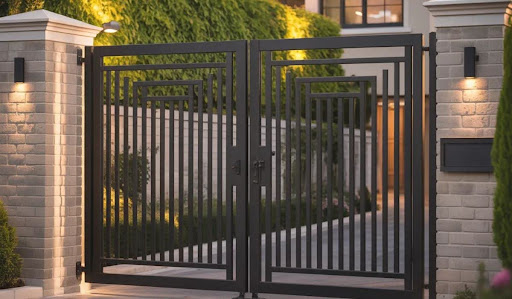
Driveway gates are essential to any residential or commercial entrance and should be designed to enhance security, beauty, and convenience. No one wants to spoil the appearance of their homes or keep unwanted people in their houses, or have more privacy, and the right driveway gate can help you in this case. This guide is going to make you learn all you should learn about Driveway Gates, such as materials, styles, size, advantages, and considerations of installing the gates in the UK market.
What Are Driveway Gates?
Driveway gates are strong entrance gates that are used to regulate the passage of vehicles to a given property. They are typically installed at the entrance of driveways and provide a barrier that enhances security and privacy while adding a unique architectural touch to your home’s exterior. Aluminium driveway gates are also common around the UK because of their ability to combine strength, low maintenance, and the appearance of modernity.
Why Choose Aluminium Driveway Gates
Gates for driveway made of aluminium are now considered some of the most commonly selected gates because of a number of reasons.
- Corrosion Resistance: Aluminium is a natural resister to rust and corrosion, hence it can be used in the UK due to the diversity of the weather.
- Weight-saving but strong: Aluminium has a strong and stable structural strength, in spite of its low weight.
- Low Maintenance: With aluminium, rather than iron or steel, there is no need to repaint or treat for rust; simply clean it, and it will last longer.
- Aesthetic Versatility: It is possible to make Aluminium in various forms, be it in modern horizontal infill designs, traditional vertical bars, or decorative curves.
- Environmental: Aluminium is fully recyclable, making it a sustainable choice for eco-friendly homeowners.
Key Benefits of Installing Driveway Gates
Enhanced Property Security
Security is one of the main reasons why UK homeowners install driveway gates. The strong physical barrier against trespassers and unauthorised vehicle entrants in your property is offered by a strong aluminium gate.
Increased Privacy
The design of many driveway gates, including those with half-privacy panels or a larger privacy area, will not allow anyone to see into your driveway or home access.
Improved Curb Appeal
Once the right gate is selected, it will enhance a place’s aesthetic appeal within minutes. The architecture of your home can be supported by the contemporary designs, decorative tops, or colour finishes.
Higher Property Value
Quality gates can also introduce the real market value to your property since this is usually considered a good security and beauty investment for the prospective clients.
Popular Styles of Driveway Gates
Driveway gates are available in a choice of styles to meet the taste of designs and functionality requirements. In the First Fence product range, there are numerous them:
Vertical Infill
Vertical infill designs, traditionally and beautifully crafted, are open and structured, fitting both classic and modern houses.
Horizontal Infill
This minimalist style has a smooth, modern effect and fits seamlessly into modern properties.
Bell-Curved Top
The curved roof shape looks decorative and elegant, and in many cases, it improves the period-properties.
Partial Privacy Panels
These mix open and solid areas in order to balance airflow, light, and privacy.
Larger Privacy Sections
To maintain privacy, these designs reduce visibility of your driveway.
Sizing and Customisation
The question of the size of the driveway gate is an important one. Aluminium driveway gates come in a large variety of sizes to match most driveway gates. Standard widths are usually around 3000mm to 4500mm, and heights around 1600mm to 2200mm, and it is thus suitable to fit most property layouts.
Gates can be customised to specific measurements, ensuring a precise fit and compatibility with existing posts or pillars. Measure the width and height before ordering, or have a professional measure them accurately.
Driveway Gate Materials Compared
Aluminium is strongly advised due to its durability and resistance to rust, but other materials are also employed – they have their unique characteristics:
Aluminium
The ideal gate for contemporary homes because it is corrosion-resistant, lightweight, and low-maintenance.
Steel
Steel is stronger but heavier and more prone to rust unless treated regularly. It is frequently applied to more elegant or industrial purposes.
Wood
Wooden gates convey a traditional image and require more frequent maintenance to prevent rot and weathering.
Composite
Composite materials are materials that combine wood with synthetic polymers to minimise rot and maintenance, though they differ in appearance and performance.
Manual vs. Automated Driveway Gates
When deciding on your driveway gate, it is time to make a decision on whether to use a manual or an automatic gate:
Manual Gates
Manual driveway gates are inexpensive and easy to operate. These are hinge-operated and are hand-swung.
Automated Gates
Security Automated gates provide convenience. These systems typically use electric motors, remote controls, or applications to enable easy access. Automated features are useful when you need to make frequent use but do not want to leave your car.
Installation Essentials and Tips
The installation of your driveway gates properly will make them work safely and efficiently:
- Gate Posts: Gates require strong posts to support them; they can be mounted on existing walls or used as freestanding posts.
- Hinges and Hardware: Select the high-quality hinges and fittings. Installation is performed professionally to ensure proper alignment and easy swinging.
- Ground Level: The entrance to the driveway must be on level ground and at an even level, or it will need to be rearranged, or the hinges will require a special design.
- Automation Options: When using powered gates, ensure they are supplied with appropriate electrical power and professional wiring.
Maintenance and Care for Longevity
Aluminium gates for driveway are particularly easy to maintain, offering durability and a stylish look with minimal effort.
- Cleaning: Wash gates regularly using mild soapy water and rinse to clean them off.
- Inspection: Periodically check hinges, bolts, and automation components for wear.
- Paint and Finish: Monitor powder-coated surfaces for chips or scratches and touch up where necessary.
Choosing the Right Supplier
In picking a supplier of your driveway gates, you should:
- Material: The gates should be made of high-quality aluminium or another durable material.
- Design: You have a variety of styles and finishes to complement the house’s architectural style.
- Lead Times: Know the expected delivery or manufacturing time — many suppliers list lead times for products.
- Customer Support: Good suppliers provide helpful pre- and post-sales support, including installation and maintenance guidance.

Introduction
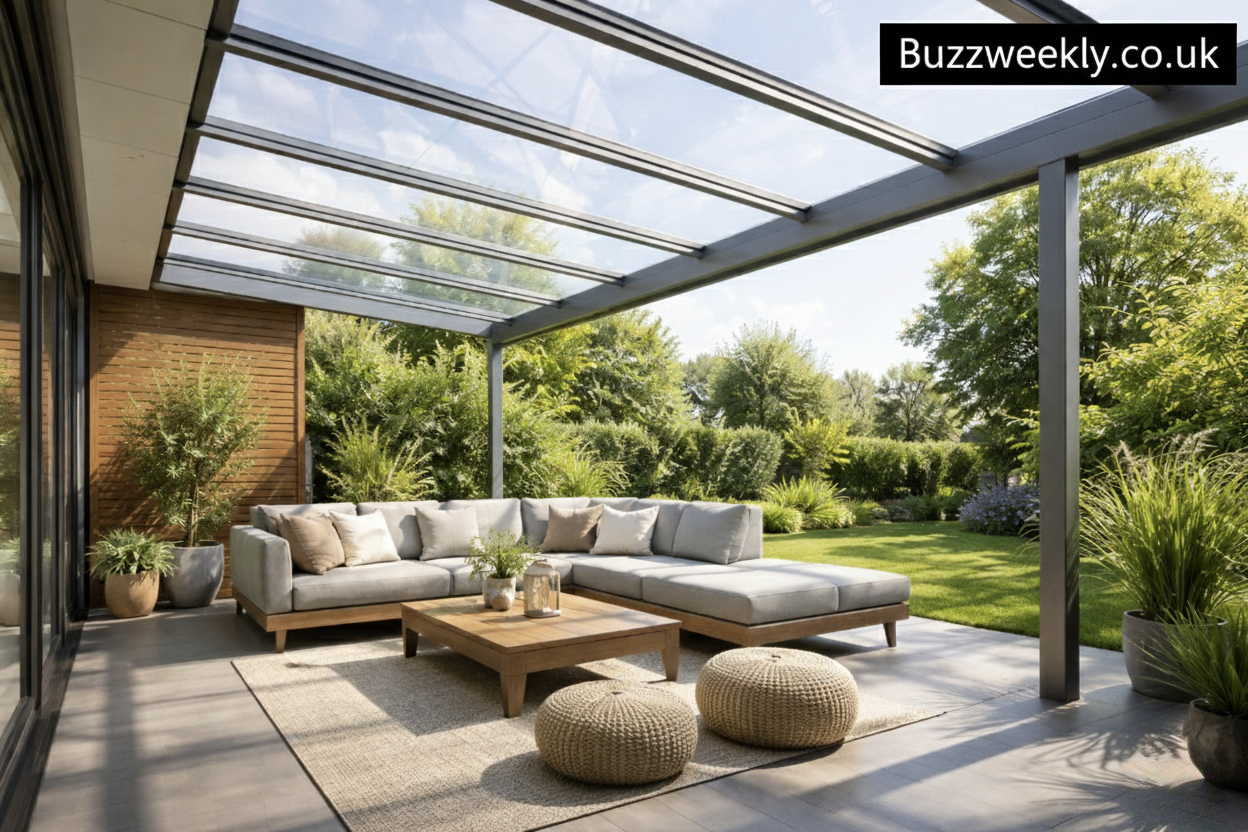
An acryldach is more than just a transparent roof—it’s a design choice that blends protection, daylight, and modern aesthetics into one durable solution. Homeowners, architects, and business owners increasingly turn to acrylic roofing when they want spaces that feel open without sacrificing weather resistance. In this guide, you’ll learn what an acryldach really is, how it’s made, where it performs best, and what to consider before choosing one. Whether you’re planning a patio cover, carport, or commercial canopy, understanding this material helps you build smarter and brighter.
Quick Bio
| Item | Details |
|---|---|
| Common Name | Acryldach (Acrylic Roof) |
| Base Material | PMMA (Polymethyl Methacrylate) |
| First Developed | 1933 |
| Original Developers | Röhm and Haas |
| Well-Known Trade Name | PLEXIGLAS |
| Typical Lifespan | 20–30 years (with proper installation) |
| Light Transmission | Up to 92% |
| Primary Uses | Patios, carports, skylights, walkways |
| Key Advantage | High clarity with strong weather resistance |
What Is an Acryldach and Why It Matters
An acryldach is a roofing system made from acrylic sheets, usually PMMA, designed to transmit light while shielding spaces from rain, wind, and UV exposure. Unlike traditional opaque roofs, acrylic roofing turns daylight into a functional design element. This matters because natural light improves comfort, reduces daytime lighting needs, and visually expands enclosed areas. Acrylic also resists yellowing better than many plastics, so the roof stays clear and attractive for years.
Will You Check This Article: Döziv: Meaning, Impact, and Modern-Day Relevance
How Acrylic Roofing Is Manufactured
Acrylic roofing panels are produced through extrusion or casting processes that shape PMMA into flat or corrugated sheets. During manufacturing, UV stabilizers are added to slow degradation from sunlight. This step is crucial because roofs face constant exposure. The result is a lightweight yet rigid panel that balances transparency with impact resistance. Understanding this process explains why acrylic costs more than basic plastics but delivers longer-lasting clarity and strength.
Key Properties That Define an Acryldach
The performance of an acryldach comes from a unique mix of optical and mechanical properties. Acrylic allows exceptional light transmission, often higher than glass, while weighing significantly less. It resists moisture absorption, which prevents warping and mold growth. However, it’s also more rigid than polycarbonate, meaning it requires careful handling during installation. These properties make acrylic ideal for fixed structures where clarity is a priority.
Common Applications Across Residential and Commercial Spaces
An acryldach works across many categories, from private homes to public buildings. In residential settings, it’s popular for patios, balconies, and garden rooms because it preserves outdoor views while offering shelter. Commercially, acrylic roofs appear in shopping walkways, entrance canopies, and transit shelters. Their clean look suits modern architecture, and the predictable performance simplifies long-term maintenance planning.
Comparing Acrylic to Other Transparent Roofing Materials
When choosing transparent roofing, people often compare acrylic with polycarbonate and glass. Acrylic excels in optical clarity and long-term appearance, staying clear longer than polycarbonate. Glass offers scratch resistance but adds weight and safety concerns. Polycarbonate wins on impact strength but can yellow over time. An acryldach sits in the middle, offering a refined balance of beauty, durability, and manageable weight for many projects.
Installation Considerations That Affect Longevity
Proper installation determines how long an acryldach will last. Acrylic expands and contracts with temperature changes, so installers must leave expansion gaps. Using compatible fasteners and avoiding over-tightening prevents stress cracks. A solid substructure distributes loads evenly, especially in snow-prone regions. When these details are respected, acrylic roofs often exceed their expected lifespan without major issues.
Climate Performance and Weather Resistance
An acryldach performs reliably in diverse climates, from sunny coastal areas to colder regions. UV-stabilized sheets resist discoloration under intense sunlight, while smooth surfaces shed rain and snow efficiently. In hail-prone areas, thickness selection matters, as acrylic is rigid rather than flexible. Matching the panel specification to local weather ensures safety and appearance over time.
Design Flexibility and Aesthetic Impact
Designers favor acrylic roofing because it supports creative freedom. Sheets come in clear, tinted, or textured finishes that control glare and privacy. Corrugated profiles add structural rigidity and visual rhythm, while flat panels suit minimalist designs. An acryldach can subtly frame the sky above or become a bold architectural statement, depending on how it’s integrated.
Maintenance and Cleaning Best Practices
Maintaining an acryldach is straightforward but requires the right approach. Gentle cleaning with mild soap and soft cloths prevents scratches. Abrasive cleaners or rough tools can damage the surface permanently. Periodic inspection of fasteners and seals helps catch minor issues early. With consistent care, acrylic roofs retain their clarity and strength for decades.
Environmental Impact and Sustainability Aspects
Acrylic roofing has both environmental advantages and considerations. Its long lifespan reduces replacement frequency, lowering material consumption over time. Acrylic is recyclable, though recycling infrastructure varies by region. High light transmission can reduce reliance on artificial lighting during the day, indirectly lowering energy use. Evaluating these factors helps align material choice with sustainability goals.
Cost Factors and Value Over Time
The initial cost of an acryldach is typically higher than basic plastic panels but lower than specialty glass systems. Price depends on thickness, UV treatment, and profile type. While upfront investment matters, long-term value often favors acrylic due to reduced maintenance, stable appearance, and consistent performance. Considering total ownership cost gives a clearer financial picture.
Safety, Codes, and Compliance
Building codes often specify load ratings, fire behavior, and installation standards for roofing materials. Acrylic generally meets requirements for light-transmitting roofs when properly rated. Fire performance varies by formulation, so selecting certified products is essential. Consulting local regulations ensures the acryldach meets safety expectations without delays or modifications.
People also like this: Serumcu Explained: Meaning, Role, and Modern Use
Innovations and Future Trends in Acrylic Roofing
Advancements in acrylic technology continue to expand possibilities. New coatings improve scratch resistance and self-cleaning behavior. Multi-layer panels enhance insulation without sacrificing clarity. As architecture trends favor daylight and transparency, the role of the acryldach is likely to grow, especially in mixed-use and urban designs.
Conclusion
An acryldach offers a compelling blend of light, protection, and modern design. From manufacturing and installation to maintenance and sustainability, acrylic roofing rewards informed choices. By matching material properties to climate, design goals, and budget, you can create spaces that feel open and enduring. With proper planning, an acrylic roof becomes a long-term asset rather than a short-term solution.
Frequently Asked Questions (FAQs)
What makes an acryldach different from glass roofing?
Acrylic is lighter and offers higher light transmission than glass. It’s easier to install and safer in many residential applications.
How long does an acryldach typically last?
With correct installation and care, acrylic roofs often last 20–30 years without significant loss of clarity.
Is acrylic roofing suitable for hot climates?
Yes, UV-stabilized acrylic resists sunlight well, though proper ventilation and expansion gaps are essential.
Can an acryldach handle snow loads?
It can, provided the thickness and support structure are designed for local snow conditions.
Does acrylic roofing require special cleaning products?
No, mild soap and water are enough. Avoid abrasive cleaners to prevent surface damage.

Does Your Home Need Upgrading Before Installing an Air Source Heat Pump

Boost Your DSCR: The Fastest Way to Lower Your Current Commercial Loan Rates

Enhancing Web Design with AI Prototyping and Layout Tools

Mark McCann Net Worth 2025: Supercars And Millions

Is Elizabeth Rizzini Still Married? Inside Her Private Life in 2025

Elizabeth Huberdeau: Life Beyond Being John Cena’s First Wife
-

 Celebrity4 days ago
Karron Eubank: Life, Family, Resilience and Reinvention
-

 Celebrity4 days ago
Neah Tuohy: From 16 Years in Prison to Purpose and Hope
-

 Tech1 week ago
Understanding bastinews.xyz: A Deep Dive Into Its Reality and Risks
-

 Business1 week ago
MVP vs. Full Product: What Should You Build First?
-

 Tech1 week ago
mixmoz.com: The Ultimate Guide to a Vibrant Multi-Topic Content Hub
-

 Tech1 week ago
Maxxfour.com: A Comprehensive Look at a Rapidly Growing Digital Platform in 2026
-

 Blogs1 week ago
Elizabeth Fraley Kinder Ready Launches Engaging “All About Sea Animals” Program to Inspire Early Learners with Ocean Discovery.
-

 Entertainment1 week ago
Inside Readmymanga com: The Global Manga Gateway and Its Complex Reality