
Business
Can You Replace Oil Heating Using a Heat Pump Grant

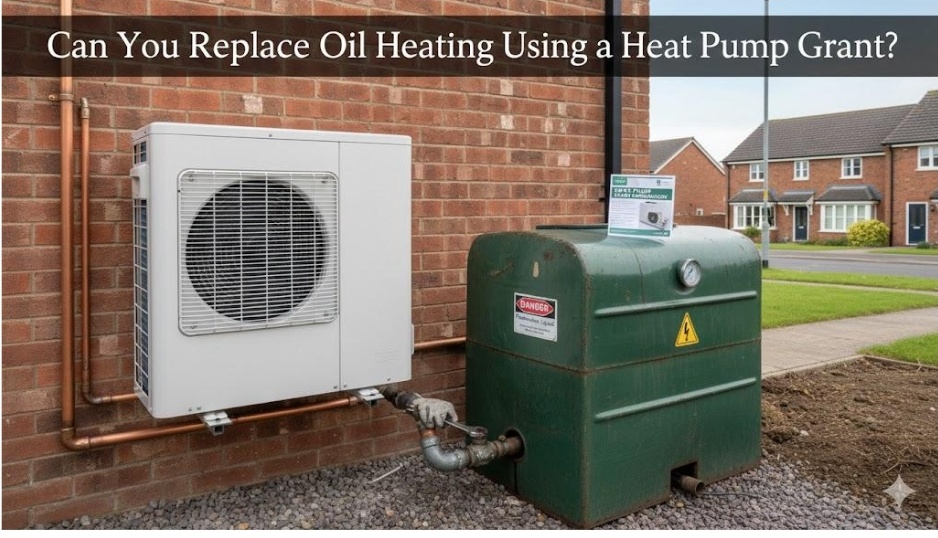
Yes, you can. And if you’re still burning oil in 2026, you’re probably paying double what you should.
Homeowners in England and Wales can ditch oil heating for heat pumps using the Boiler Upgrade Scheme (BUS). The government hands you £7,500 upfront. No loans. No repayment. Just a straight discount on installation.
This matters most if you’re off the gas grid. Oil boilers dominate rural properties, and they’re bleeding you dry on running costs while pumping out carbon. The grants exist specifically to fix this problem.
Who Qualifies for the Grant?
Before you get excited about free money, let’s address the basics. The criteria are simpler than you think.
Property Ownership Requirements
You must own the property. This includes your main home, second home, rental property, or business premises. Landlords qualify directly under BUS. Self-builds qualify if no heating system existed before—new builds under construction don’t.
The Fossil Fuel Switch Rule
Here’s the catch: you must be replacing a fossil fuel system. Oil, LPG, coal—doesn’t matter. Already on electric heating? You’re not eligible.
EPC and Insulation Requirements
You need a valid Energy Performance Certificate (lasts 10 years). Check yours online before calling installers.
Since May 2024, you don’t need prior insulation to qualify. If you’re on benefits like Universal Credit with an EPC rating D-G, ECO4 might fund everything. Zero cost.
MCS Certification Matters
Your installer must be MCS-certified. Non-certified installers can’t apply for grants. The application gets rejected, and you pay full price.
What Grants Are Actually Available?
Let’s talk numbers. The funding landscape breaks down into three main schemes, each targeting different circumstances.
Boiler Upgrade Scheme (BUS)
The heavy hitter. BUS provides:
- £7,500 for air source heat pumps (ASHP)
- £7,500 for ground source heat pumps (GSHP)
- £5,000 for biomass boilers
The grant gets deducted upfront by your installer. You never see the full price.
Combine this with 0% VAT on heat pumps (valid until March 2027), and you’re saving £10,000+ on a system that typically costs £8,000-£15,000 for ASHP. Do the math. You’re paying £500-£6,500 out of pocket for a 20-year heating solution.
BUS covers replace all heat-generating components. If you’ve got solar panels or existing pumps, they stay. The scheme runs through 2028 minimum, with extensions planned to 2030 under the Warm Homes Plan.
ECO4 and GBIS
Low-income households get better deals. ECO4 offers fully funded installations if you’re on benefits and have an EPC rating between D-G. The Great British Insulation Scheme (GBIS) adds insulation funding on top. Combined, these schemes can make your entire upgrade free.
Local FLEX Schemes
Some councils provide extra funding through FLEX schemes. Check with your local authority—it varies by region, but the additional support can cover electrical upgrades or insulation work.
Heat Pumps vs Oil Boilers: The Real Comparison
Still think oil boilers are cheaper? Let’s destroy that myth.
| Metric | Oil Boiler | Heat Pump |
| Efficiency | 85-90% | 300-400% (COP 3-4) |
| Annual Running Cost | £2,000+ | £800-£1,200 |
| CO2 Emissions | High (3-4 tonnes/year) | 70-90% lower |
| Fuel Price Volatility | Extreme (£0.70-£1/litre) | Stable electricity rates |
| Lifespan | 10-15 years | 20+ years |
| Noise Level | Variable | <42dB (UK regulation) |
Efficiency: Not Even Close
Oil boilers burn fuel directly at 85-90% efficiency. Heat pumps extract ambient heat using electricity, achieving 300-400% efficiency. For every 1 kWh of electricity, you get 3-4 kWh of heat.
Running Costs: £1,000+ Annual Savings
Oil heating costs £2,000+ annually. Heat pumps? £800-£1,200.
Oil prices swing wildly—£0.70 to £1 per litre depending on global markets. Electricity stays stable, and smart tariffs like Octopus Agile drive costs even lower. Over 20 years, you’re saving £20,000-£30,000 minimum.
Carbon Emissions: 70-90% Reduction
Each oil-heated home pumps out 3-4 tonnes of CO2 annually. Heat pumps cut that by 70-90%, supporting UK net-zero targets. If you care about climate impact (and you should), this isn’t optional.
Which Type Should You Choose?
ASHP suits most properties—outdoor unit, minimal ground work, fastest installation. GSHP costs £20,000+ post-grant and needs large grounds for loops.
What Does It Actually Cost You?
Let’s break down the real money involved, because everyone cares about out-of-pocket expenses.
Upfront Installation Costs
- Pre-grant ASHP costs: £8,000-£14,000
- Post-BUS grant: £500-£6,500
- Add 0% VAT saving: £1,500
Total out-of-pocket: £0-£5,000 depending on system size and property complexity.
Additional Costs
- Insulation upgrades: £2,000-£5,000 (often covered by ECO4)
- Electrical upgrades: £500-£2,000 (7-11kW supply needed)
- Oil tank removal: £500-£1,500 (frees garden space)
Payback Period
With £1,000+ annual savings, payback happens in 5-8 years. Then you’re running on pure profit for the next 12-15 years.
Property value increases 3-5% with improved EPC ratings. That’s £10,000-£15,000 added to a £300,000 home.
How to Apply for the Grant
The process is simpler than you think. Let me walk you through it.
Step 1: Find an MCS-Certified Installer
Search via ofgem.gov.uk or MCS-certified directories. Your installer handles the entire application—you don’t touch the Ofgem portal.
Step 2: Site Survey and Quote
The installer visits, assesses suitability (outdoor space, electrical capacity, radiators), and produces a quote.
Step 3: Grant Application
Your installer submits the BUS application through Ofgem’s portal with your EPC and proof of ownership. You don’t lift a finger.
Step 4: Approval and Installation
Approval comes quickly. The grant gets paid directly to the installer, so you pay the net amount upfront. Installation takes 1-2 days. Commissioning must complete within 120 days of approval.
For ECO4, use online eligibility checkers (eco4.co.uk, altoenergy.co.uk) to confirm your benefits status and EPC rating before contacting installers.
Installation Considerations You Can’t Ignore
Professional installations take 1-2 days, but certain factors matter.
Space and Placement: Outdoor units need 3-5 metres of clearance. Indoor hot water cylinders require cupboard space. Installers work around tight properties daily.
Electrical Upgrades: Heat pumps draw 7-11kW. Older rural properties might need consumer unit upgrades (£500-£2,000), sometimes grant-eligible through ECO4.
Planning Permission: Listed buildings and conservation areas require it. Consult architects early.
Post-Installation: Annual servicing costs £200. Warranties run 5-10 years. Minimal maintenance compared to oil boilers.
The Bottom Line
Scan your EPC online and search MCS installers. Use free eligibility tools to see if you qualify for a Heat Pump Grant before the 0% VAT ends in March 2027—that’s £1,500 left on the table if you wait. Rural oil users save most: £10,000+ in combined grants and tax breaks.
BUS funding lasts through 2028 minimum, but installers book months ahead as deadlines approach. Act now or pay later.



What would your financial life look like in twenty years if you never invested a single dollar? This question sits at the heart of why strategic investing matters. Most people understand that saving money is important, but far fewer grasp how intentional investment strategies can transform modest contributions into substantial wealth. The difference between letting money sit in a savings account and putting it to work through strategic investing can be hundreds of thousands of dollars over a lifetime. This article explores how deliberate investment approaches support enduring financial security and growth.
Building Wealth Through Compound Growth
Compound growth is perhaps the most powerful force in long-term investing. When you invest money, your returns generate their own returns, creating a snowball effect over decades. For example, an investor who places $5,000 into a diversified portfolio at age 25 may see that initial investment grow substantially by age 55, even if they add nothing more to it. The longer your money remains invested, the more opportunity compound growth has to work. This principle works best when investors maintain their positions through market ups and downs rather than attempting to time the market perfectly. Starting early with strategic investing means giving yourself the maximum runway for compound returns to accumulate.
Creating a Clear Investment Roadmap
Strategic investing begins with understanding your financial goals and timeline. An investor saving for retirement in thirty years needs a different approach than someone purchasing a home in five years. Developing a clear roadmap involves assessing your risk tolerance, determining how much you can invest regularly, and identifying which investment vehicles align with your objectives. This roadmap becomes your guide during both market booms and downturns. When you have a well-defined plan, emotional decision-making becomes less likely. Many investors who struggle financially have never taken time to map out what they actually want to achieve and how their investments should support those goals.
Diversification Reduces Risk and Volatility
Strategic investors spread their capital across multiple asset classes, industries, and geographic regions to cushion against losses. Diversification means that if one investment performs poorly, others may balance it out. For instance, when stock markets decline, bonds often hold steady or increase in value. By owning both stocks and bonds in a strategic portfolio, your overall volatility becomes more manageable. This approach does not eliminate risk entirely, but it prevents a single bad investment from derailing your long-term plan. Diversified portfolios have historically weathered economic downturns better than concentrated ones, allowing investors to stay the course during difficult periods.
Disciplined Investing Overcomes Market Psychology
Market cycles are inevitable, and fear or greed can trigger poor decisions when prices rise and fall. Strategic investing incorporates discipline that removes emotion from the equation. Many investors practice dollar-cost averaging, investing a fixed amount regularly regardless of market conditions. This approach means you buy more shares when prices are low and fewer when prices are high, smoothing out your average cost over time. When markets panic and prices drop, disciplined investors may even see this as an opportunity rather than a reason to sell. Emotional investors often buy high during bubbles and sell low during crashes, which is the exact opposite of what builds wealth. By following a strategic plan, you protect yourself from these costly psychological traps.
Tax Efficiency Maximizes Your Returns
Strategic investing also considers how taxes affect your returns. Different investment accounts offer different tax advantages, and contributions to retirement accounts like IRAs or 401(k)s often receive tax benefits that regular brokerage accounts do not. Investment strategy also influences when you realize gains and losses, which can be managed to minimize tax burdens, and some strategies involve harvesting investment losses to offset gains. Over a lifetime, tax-efficient investing can preserve tens of thousands of dollars that would otherwise go to taxes.
Investors working through a professional service such as wealth management in Denver, Colorado rely on expert guidance to structure their accounts and realize these tax advantages in ways that align with their long-term objectives. Understanding how account types, timing, and loss harvesting interact is a hallmark of strategic, long-term thinking. Taking a proactive approach to tax efficiency helps ensure more of your investment returns remain working for you rather than being eroded each year.
Adapting Your Strategy as Life Changes
Strategic investing is not a set-and-forget approach because your circumstances change as you progress through life. A person in their twenties with no dependents can typically tolerate more risk than someone nearing retirement. Strategic investors review their plans periodically and adjust their allocation as their life situation evolves. This might mean gradually shifting from growth-oriented investments to more stable holdings as retirement approaches. It might also mean increasing investment contributions as your income rises.
The key is remaining engaged with your strategy while avoiding the temptation to constantly make changes based on short-term market movements. Periodic reviews paired with long-term patience create the ideal balance for sustainable financial success. A thoughtful investment strategy evolves with your goals while remaining focused on the broader objective of building and preserving wealth.
Conclusion
Strategic investing transforms the act of saving money into a deliberate wealth-building process. By understanding compound growth, establishing clear goals, diversifying wisely, maintaining discipline, optimizing taxes, and adapting over time, investors create powerful momentum toward long-term financial success. The difference between passive saving and strategic investing grows more pronounced with each passing year. Those who begin early and remain committed to a well-constructed plan position themselves to pursue greater financial independence and long-term security. The thoughtful investment decisions you make today can have a meaningful impact on the opportunities and financial flexibility available to you in the future.

DIY has continued to grow in popularity as more people discover the satisfaction of improving their homes with their own skills and creativity. While some design trends come and go, many DIY approaches have become long-lasting because they offer practical, affordable, and personal ways to transform living spaces. From sustainable projects to customized décor, today’s DIY trends focus on making homes more functional, unique, and enjoyable.
Sustainable and Eco-Friendly Projects
One of the biggest DIY trends that is likely to remain popular is creating more sustainable homes. Many homeowners are choosing to repair, reuse, and repurpose items instead of replacing them. Upcycling old furniture, restoring wooden pieces, and using leftover materials for smaller projects can reduce waste while adding character to a home.
Eco-conscious DIY also includes choosing durable materials and products that are built to last. Whether completing a small repair or a larger renovation, sourcing reliable supplies from companies such as Tradefix Direct can help ensure projects are completed with quality components that support long-term results.
Personalized Home Improvements
Mass-produced designs often lack the personality that makes a house feel like a home. This is why personalized DIY projects continue to be a lasting trend. Homeowners are increasingly looking for ways to create spaces that reflect their individual tastes, whether through custom shelving, handmade décor, feature walls, or unique storage solutions.
Personal touches can make even simple improvements feel meaningful. A carefully planned DIY project allows people to choose colours, finishes, and details that match their lifestyle rather than following a one-size-fits-all approach.
Smart and Functional Spaces
Modern DIY is not only about appearance; it is also about improving how spaces work. Creating practical storage solutions, organizing unused areas, and adapting rooms for different purposes have become essential parts of home improvement.
Built-in shelving, clever furniture upgrades, and customized workspaces are examples of projects that combine style with everyday convenience. As homes continue to serve multiple roles, including offices, relaxation areas, and entertainment spaces, functional DIY upgrades will remain valuable.
Beginner-Friendly Projects
Another trend that is here to stay is the rise of accessible DIY projects. More people are starting with smaller improvements that build confidence before moving on to larger tasks. Simple projects such as painting, installing shelves, updating fixtures, and refreshing furniture allow beginners to develop useful skills.
The availability of tutorials, guides, and online communities has made DIY more approachable than ever. People can learn at their own pace and take pride in completing improvements themselves.
A Focus on Quality Over Quantity
Today’s DIY enthusiasts are moving away from quick fixes and choosing projects that provide lasting benefits. Instead of constantly changing décor, many homeowners are investing time in improvements that enhance comfort, durability, and value.
This shift means selecting better materials, planning carefully, and taking the time to complete work properly. Quality-focused DIY creates results that continue to look good and function well for years.
Conclusion
DIY is no longer just a weekend hobby; it has become a meaningful way for people to improve their homes while expressing creativity and practicality. Sustainable projects, personalized designs, functional upgrades, and quality craftsmanship are trends that are expected to continue shaping home improvement for years to come. By embracing thoughtful DIY approaches, homeowners can create spaces that truly feel their own while making smart investments in their property.
Introduction
In today’s fast-moving business landscape, companies that balance innovation with responsibility tend to leave the strongest mark. Ryma Ltd is one such name that has steadily gained attention for its adaptable approach, people-focused mindset, and long-term vision. Whether you’re hearing about the company for the first time or looking to understand what sets it apart, this in-depth guide explores its origins, operations, values, and real-world impact. By the end, you’ll have a clear picture of why Ryma Ltd matters, how it operates, and what its journey reveals about modern business success.
Company Snapshot: Ryma Ltd at a Glance
Before diving deeper, it helps to understand the basic structure and identity of the company.
| Aspect | Details |
|---|---|
| Company Name | Ryma Ltd |
| Business Type | Private Limited Company |
| Core Focus | Multi-sector business solutions and services |
| Operating Model | Client-centered, innovation-driven |
| Market Presence | Regional with expanding global reach |
This snapshot sets the stage for understanding how the company fits into a broader commercial ecosystem.
Will You Check This Article: Pellela: A Living Tapestry of History, Culture, and Community
The Origins and Founding Vision of Ryma Ltd
Every meaningful company begins with a clear idea and a problem worth solving. Ryma Ltd was founded with the belief that sustainable growth comes from combining practical solutions with long-term thinking. Rather than chasing quick wins, the founders focused on building a resilient organization capable of adapting to changing markets.
In its early days, the company operated with a lean structure, emphasizing close client relationships and hands-on problem solving. This allowed Ryma Ltd to learn directly from real challenges instead of relying on abstract strategies. Over time, that grounded approach shaped a company culture centered on accountability, curiosity, and continuous improvement.
What’s notable is how the original vision still influences decisions today. Even as the company has grown, it continues to prioritize clarity of purpose over rapid expansion, a choice that has helped it remain stable during uncertain economic cycles.
Core Business Areas and Services
Ryma Ltd is not confined to a single niche. Its strength lies in offering adaptable solutions across multiple business needs, allowing it to serve diverse clients without losing focus.
Advisory and Strategic Support
At the heart of the company’s offerings is strategic guidance. Ryma Ltd works closely with organizations to identify inefficiencies, clarify goals, and design actionable plans. This often involves aligning internal processes with external market realities, a balance many businesses struggle to achieve.
Clients often describe this service as collaborative rather than prescriptive. Instead of delivering rigid frameworks, the company emphasizes dialogue, testing, and refinement. That flexibility makes the guidance practical and easier to implement.
Operational Solutions and Execution
Ideas only matter when they translate into action. Ryma Ltd supports clients during execution phases, helping them turn plans into measurable outcomes. This may include workflow redesign, resource planning, or performance monitoring, depending on the project’s scope.
A common analogy used internally is that of a bridge. Strategy defines where you want to go, while operations determine how safely and efficiently you get there. Ryma Ltd positions itself as the builder of that bridge.
Innovation and Process Improvement
Innovation doesn’t always mean disruptive technology. Often, it’s about making existing systems work better. Ryma Ltd invests heavily in process improvement, encouraging teams to question assumptions and test new methods.
This mindset helps clients avoid stagnation. Even small changes, when applied consistently, can compound into significant gains over time.
Organizational Culture and Leadership Philosophy
Culture is often invisible until it fails. Ryma Ltd treats it as a strategic asset rather than a background element. Leadership emphasizes transparency, shared responsibility, and respect for diverse perspectives.
Managers are encouraged to lead by example. Decision-making processes are designed to be clear and inclusive, reducing confusion and internal friction. Employees are given room to experiment, provided they take ownership of outcomes.
This approach has tangible benefits. Teams tend to stay engaged longer, and institutional knowledge is retained instead of constantly rebuilt. In an era of high turnover across industries, that stability becomes a competitive advantage.
How Ryma Ltd Approaches Client Relationships
One defining trait of Ryma Ltd is how it views clients as long-term partners rather than short-term transactions. This perspective shapes everything from onboarding to project delivery.
The company invests time upfront to understand a client’s context, including constraints that may not be obvious at first glance. That patience often leads to more realistic expectations and smoother collaboration.
An anecdote frequently shared internally involves a mid-sized firm struggling with rapid growth. Instead of pushing an aggressive expansion plan, Ryma Ltd advised a phased approach. The result was slower initial progress but stronger foundations, ultimately saving the client significant costs and stress.
Market Position and Competitive Landscape
Operating in a crowded business environment requires clarity. Ryma Ltd differentiates itself through adaptability and consistency rather than scale alone. While larger competitors may rely on standardized offerings, the company focuses on tailored solutions.
This positioning allows it to serve clients who value depth over speed. It also reduces vulnerability to market swings, as revenue streams are diversified across sectors and project types.
The table below highlights how Ryma Ltd typically compares within its competitive space.
| Dimension | Ryma Ltd | Typical Competitors |
|---|---|---|
| Service Approach | Customized and collaborative | Standardized packages |
| Client Engagement | Long-term partnerships | Project-based |
| Flexibility | High | Moderate |
| Decision Speed | Balanced and deliberate | Often rapid but rigid |
Growth Strategy and Future Direction
Growth, for Ryma Ltd, is not about size alone. It’s about relevance. The company’s expansion strategy focuses on deepening expertise while selectively entering new markets.
Rather than opening offices everywhere, Ryma Ltd prioritizes building strong local partnerships. This model reduces overhead while preserving cultural understanding. It also allows the company to respond quickly to regional needs without losing coherence.
Looking ahead, leadership has signaled interest in areas that blend human judgment with data-driven insights. This includes advanced analytics, process automation support, and cross-sector collaboration. The goal is not to replace human expertise but to enhance it.
Ethical Standards and Social Responsibility
Modern businesses are increasingly judged by how they operate, not just what they deliver. Ryma Ltd recognizes this shift and has embedded ethical considerations into its governance.
The company maintains clear guidelines around fairness, data handling, and environmental responsibility. These principles are not treated as marketing statements but as operational norms. Employees receive regular training to ensure decisions align with stated values.
Community engagement also plays a role. Ryma Ltd supports local initiatives related to education and skill development, reflecting its belief that long-term success is tied to broader social well-being.
Challenges Faced and Lessons Learned
No growth story is without obstacles. Ryma Ltd has faced challenges ranging from economic uncertainty to rapid changes in client expectations. What stands out is how the company responds to setbacks.
Instead of assigning blame, leadership focuses on learning. Post-project reviews are used to identify what worked and what didn’t, with insights shared across teams. This habit of reflection turns mistakes into assets.
One lesson frequently cited is the importance of pacing. Expanding too quickly can dilute quality, while moving too slowly can limit opportunity. Finding that balance remains an ongoing discipline.
Why Ryma Ltd Resonates in Today’s Business World
The appeal of Ryma Ltd lies in its alignment with modern priorities. Businesses today seek partners who understand complexity, value relationships, and think beyond immediate gains. The company’s emphasis on adaptability and trust speaks directly to those needs.
People also like this: Valerie Guiliani: The Quiet Force Behind T.J. McConnell’s Success
In a sense, Ryma Ltd represents a shift away from one-size-fits-all solutions toward more thoughtful engagement. That shift mirrors broader changes in how organizations define success.
Conclusion
Ryma Ltd stands as an example of how clarity, patience, and adaptability can shape a resilient business. From its founding vision to its current operations, the company has consistently prioritized meaningful outcomes over superficial growth. Its multi-sector approach, strong culture, and commitment to ethical practices highlight what’s possible when strategy and values align.
For organizations seeking a partner that listens, learns, and evolves, Ryma Ltd offers a compelling model. The key takeaway is simple yet powerful: sustainable success is built through relationships, reflection, and responsible action.
Frequently Asked Questions (FAQs)
What type of company is Ryma Ltd?
Ryma Ltd is a private limited company offering multi-sector business solutions and advisory services.
What makes Ryma Ltd different from similar firms?
Its focus on customized solutions, long-term partnerships, and adaptable strategies sets it apart.
Does Ryma Ltd work with small businesses or only large organizations?
The company works with organizations of varying sizes, tailoring its approach to each client’s needs.
How does Ryma Ltd handle growth and expansion?
Growth is approached selectively, with an emphasis on relevance, partnerships, and sustainable scaling.
Is social responsibility important to Ryma Ltd?
Yes, ethical practices and community engagement are integrated into the company’s operations and values.

The GTA 6 Hype Cycle: What the Numbers Say

How Strategic Investing Supports Long-Term Financial Success

8 Best Touchscreen Recognition Systems for Prep Schools and Private Academies

Mickey Rourke Young: From Beautiful Rebel To Cult Icon

Mark McCann Net Worth 2025: Supercars And Millions
