
Blogs
Tea Parlour Mathew Street: Vintage Charm in Liverpool

Introduction
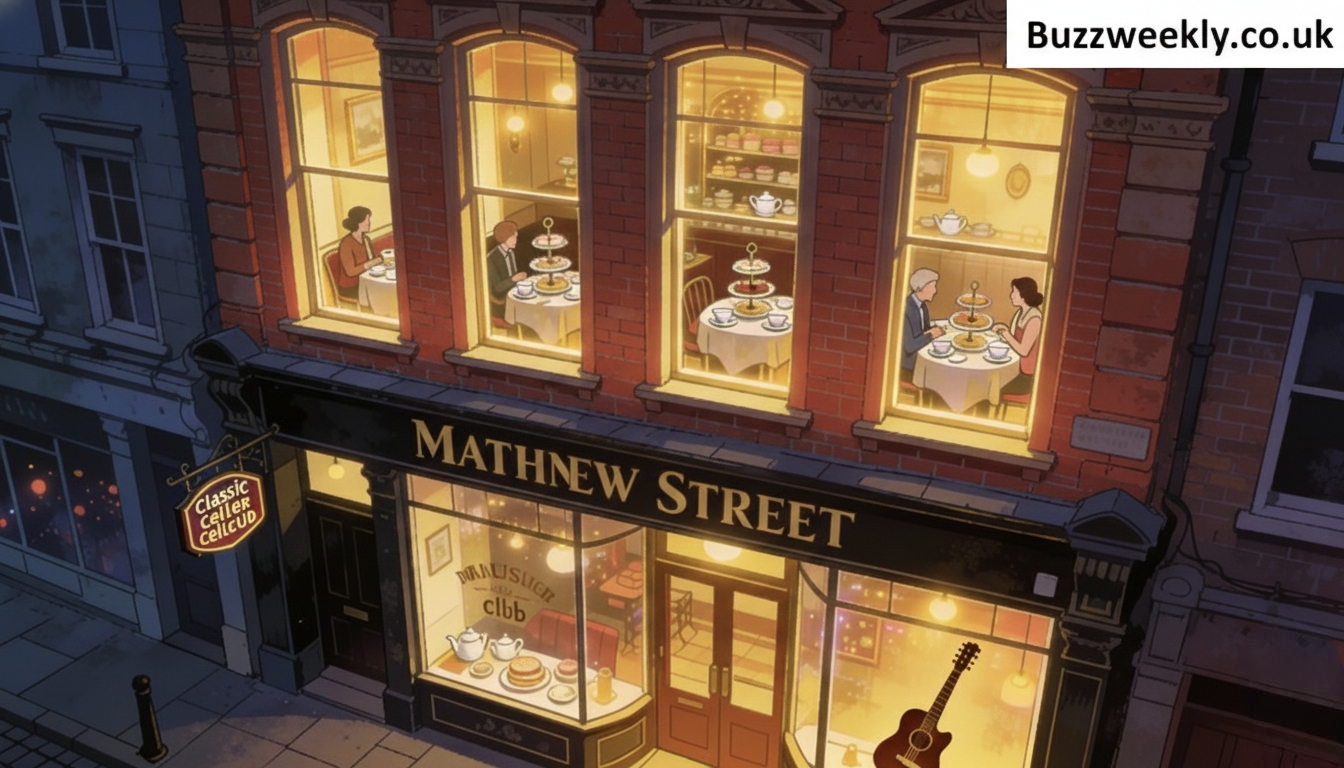
Hidden above the lively bars and music venues of Liverpool’s iconic Mathew Street, Tea Parlour offered a calm, nostalgic escape from the city’s energetic nightlife and tourist crowds. Inside, guests stepped into a world of vintage elegance, complete with bone china, lace tablecloths, and carefully curated period décor that felt more like a Victorian parlour than a modern café. This unique setting made the venue a favourite for afternoon tea lovers, day‑trippers, and anyone seeking a quieter, more refined experience right in the heart of the Cavern Quarter.
Afternoon tea at Tea Parlour quickly became known as an experience rather than just a meal, combining homemade cakes, delicate sandwiches, and quality loose‑leaf teas with attentive table service. Perched on Mathew Street, famous worldwide for its links to The Beatles and the Cavern Club, the parlour offered a surprising contrast: serene tea and cake just a few steps away from tribute bands and bustling pubs. Even after the venue said goodbye to its original Mathew Street site, its style and reputation continue to be associated with Liverpool’s broader café and afternoon tea culture.
Will You Check This Article: Chameleónovité: Secrets of the Color‑Changing Reptiles
Mathew Street And Its Atmosphere
Mathew Street is one of Liverpool’s most visited streets, drawing thousands of tourists each year who come for its music heritage, nightlife, and Beatles‑themed attractions. The street is home to the world‑famous Cavern Club, where The Beatles played hundreds of times, as well as statues, museums, and bars celebrating the band’s history and the city’s musical legacy.
By day, visitors explore landmarks such as the John Lennon statue, the Four Lads Who Shook the World sculpture, and the Liverpool Beatles Museum, before the area transforms into a vibrant nightlife zone in the evening. This mix of history, culture, and entertainment makes Mathew Street a natural magnet for both international tourists and local residents looking for live music and a lively night out.
The Concept Of Tea Parlour
Tea Parlour was conceived as a vintage destination for afternoon tea, blending traditional British tea culture with a romantic, old‑world aesthetic. Set in a Grade II listed building, the venue embraced period features and reclaimed furnishings to create an atmosphere that felt intentionally nostalgic and slightly theatrical.
Rather than focusing on fast service or grab‑and‑go drinks, the parlour emphasised slow enjoyment, conversation, and ritual, from the way the tea was served to the presentation of cakes and pastries. This approach made it particularly popular for celebrations such as birthdays, hen parties, and intimate gatherings, where guests wanted more than a standard café experience.
Décor, Ambience And Experience
The interior of Tea Parlour was filled with vintage china, ornate mirrors, chandeliers, and mismatched yet carefully selected furniture, giving the space a deliberately eclectic charm. These touches contributed to an immersive experience, encouraging guests to linger, take photos, and treat afternoon tea as a special occasion rather than a quick stop.
Soft music, attentive but unobtrusive service, and the elevated position above the street added to the feeling of a secret hideaway above the busy city. From themed afternoon teas to seasonal decorations, the venue often leaned into its nostalgic identity, which appealed strongly to visitors interested in both aesthetics and tradition.
Afternoon Tea And Menu Highlights
Afternoon tea typically featured a tiered stand with finger sandwiches, freshly baked scones, clotted cream, jams, and an assortment of cakes and pastries. The emphasis was on homemade or carefully sourced items, presented in a way that balanced visual appeal with classic flavours associated with British tea rooms.
A selection of loose‑leaf teas allowed guests to choose blends ranging from traditional English Breakfast and Earl Grey to more floral or aromatic options. For many visitors, the combination of quality tea, generous portions, and the unique setting made the experience feel good value compared with more generic chain cafés elsewhere in the city centre.
Location In Liverpool’s Cavern Quarter
Tea Parlour’s address on Mathew Street placed it within Liverpool’s Cavern Quarter, a compact area rich in bars, clubs, and tourist attractions connected to The Beatles. Visitors often combined a visit to the tea room with stops at the Cavern Club, Beatles‑themed bars, and nearby shops selling memorabilia and souvenirs.
The central location meant that it was a short walk from other city landmarks such as Albert Dock, Liverpool ONE, and key museums, making it easy to fit an afternoon tea into a wider sightseeing itinerary. For locals working or shopping in central Liverpool, the parlour also offered a peaceful retreat from the surrounding hustle and bustle.
Events, Private Hire And Celebrations
Beyond everyday service, Tea Parlour functioned as a venue for private events, including small parties, themed gatherings, and bespoke afternoon tea experiences. It could host intimate groups during the day or evening, with flexible arrangements for catering and layout to suit different occasions.
The combination of vintage décor, central location, and personal service made it especially suitable for hen parties, baby showers, and birthday celebrations where guests wanted an elegant yet relaxed atmosphere. Many event organisers valued the ability to create a personalised experience, from decorations to special menu touches, within the characterful surroundings of the parlour.
Heritage Of Tea Rooms On Mathew Street
Tea Parlour was part of a longer history of tea rooms and cafés in and around Mathew Street that contributed to Liverpool’s social and cultural life. In earlier decades, venues such as the Armadillo Tea Rooms became known as hubs for counterculture, punks, and the city’s arts community, blending café culture with music and performance.
These spaces provided alternatives to traditional pubs, offering younger and more diverse crowds a place to meet, talk, and explore new ideas over tea, coffee, and simple food. The presence of these venues helped to shape the street’s broader identity as a social and creative hotspot, beyond its association with The Beatles alone.
The Link Between Tea Parlour And Local Culture
Situated in a neighbourhood defined by live music and nightlife, Tea Parlour added a quieter, more reflective dimension to Mathew Street’s cultural offer. Visitors could move from the energetic atmosphere of the Cavern Club and nearby bars to the calm setting of the parlour, experiencing two very different sides of Liverpool in a single visit.
For many guests, this contrast highlighted the city’s ability to balance heritage, entertainment, and hospitality in a small geographical area. The parlour’s vintage style also echoed Liverpool’s love of nostalgia and storytelling, which runs through its museums, music history, and preserved architecture.
Changes, Closure And Legacy
Over time, Tea Parlour left its Mathew Street premises and signalled a new chapter away from that original location, sharing that it had said goodbye to the site for good. While the physical space on Mathew Street changed, the brand’s identity and reputation for vintage afternoon tea continued to resonate with those who had visited.
The departure of Tea Parlour from Mathew Street fits into a broader pattern of evolving venues in central Liverpool, where cafés, bars, and restaurants regularly adapt, move, or close as the city’s hospitality scene shifts. Even so, memories and online reviews help preserve the picture of a distinctive tea room that once offered a quiet refuge above one of the city’s busiest streets.
Why Tea Parlour Mathew Street Stood Out
Tea Parlour distinguished itself through its combination of location, ambience, and commitment to a traditional afternoon tea experience. Few venues could offer such a gentle, old‑fashioned setting directly above a street globally known for its music venues and late‑night energy.
People also like this: Azadeh Moshiri: BBC Journalist’s Rise To Global Prominence
For many visitors, the experience felt like stepping into a different era, with china cups, patterned wallpaper, and tiered cake stands creating a strong sense of occasion. That blend of escapism and authenticity helped the parlour become a memorable stop in Liverpool itineraries focused not only on The Beatles but also on the city’s café and hospitality culture.
Conclusion
Tea Parlour on Mathew Street offered a distinctive fusion of vintage British tea culture and Liverpool’s world‑famous music quarter, giving guests an unexpectedly tranquil space above one of the city’s liveliest streets. Although the parlour has since moved on from its original address, its reputation for elegant décor, carefully presented afternoon tea, and intimate atmosphere remains part of how many people remember Mathew Street’s evolving hospitality landscape.
FAQs
Is Tea Parlour still on Mathew Street?
Tea Parlour is no longer operating from its former Mathew Street site and has publicly shared that it has said goodbye to that location for good. Visitors today will find other cafés, bars, and attractions on the street, but not the original Tea Parlour venue.
What made Tea Parlour different from other cafés in Liverpool?
The parlour stood out through its immersive vintage décor, emphasis on traditional afternoon tea, and position in a Grade II listed building above one of the city’s busiest nightlife streets. This combination created a quiet, nostalgic escape within a famously energetic part of central Liverpool.
Where is Mathew Street and why is it famous?
Mathew Street is located in central Liverpool’s Cavern Quarter and is best known as the home of the Cavern Club, where The Beatles performed many early shows. Today it continues to draw tourists for its live music venues, Beatles‑themed attractions, statues, and lively bars.
Can you still find traditional afternoon tea near Mathew Street?
While Tea Parlour has left its original site, central Liverpool still offers multiple cafés, hotels, and restaurants that serve traditional afternoon tea within walking distance of Mathew Street. Visitors can combine these venues with time exploring the Cavern Quarter, Albert Dock, and nearby shopping streets.
Did Tea Parlour host private events and parties?
Yes, Tea Parlour was available for private hire, catering for gatherings ranging from small groups to larger celebrations such as hen parties and special occasion teas. Its intimate rooms and vintage styling made it popular with guests seeking a characterful setting for personalised events.

Introduction
In a world that often separates the mind from the body and the individual from the environment, the idea of holisticke offers a radically different perspective. It does not see life as a collection of isolated parts but as a living system where everything is interconnected. This perspective has quietly shaped ancient healing traditions, modern wellness movements, integrative education, and even leadership philosophies. Yet many people encounter the term without fully understanding its depth.
At its core, holisticke represents a way of seeing and living that honors the unity of physical health, emotional balance, mental clarity, social connection, and environmental harmony. It asks us to look beyond symptoms, beyond quick fixes, and beyond fragmented thinking. Instead, it invites a more complete understanding of ourselves and the world we inhabit.
Understanding this approach requires patience and thoughtful exploration. It is not a trend or a passing concept. It is a worldview grounded in centuries of human experience and increasingly supported by contemporary science.
What Is holisticke
What Is holisticke? The term refers to an approach that considers the whole system rather than focusing solely on individual components. In health, it means treating the entire person rather than just a disease. In lifestyle, it means aligning physical habits, emotional awareness, relationships, and purpose. In philosophy, it recognizes that every part of life is interdependent.
Will You Check This Article: wollmatten: Freiburg’s Quiet Green Enclave Southern Germany
The word itself comes from the idea of “wholeness.” Instead of isolating one issue—such as stress, pain, or fatigue—holisticke thinking asks deeper questions. What is happening in the person’s life? How are relationships affecting wellbeing? Is nutrition supporting or draining energy? Are mental patterns contributing to physical symptoms?
This approach does not reject specialized knowledge. Instead, it integrates it. A holistic perspective values medical science, psychology, nutrition, movement, and spirituality as interconnected pieces of a larger picture. It understands that addressing only one dimension often produces temporary relief rather than lasting change.
The Core Principles Behind holisticke Thinking
To truly grasp holisticke philosophy, it is important to understand the principles that support it. The first is interconnectedness. Every system—whether biological, emotional, or social—functions in relationship with others. The body responds to thoughts. Emotions influence immunity. Community shapes mental health. Nothing exists in isolation.
The second principle is balance. Health is not merely the absence of illness; it is the presence of equilibrium. When stress overwhelms rest, when work dominates personal life, or when emotional needs are ignored, imbalance emerges. A holisticke approach seeks restoration of harmony rather than suppression of symptoms.
The third principle is prevention. Instead of waiting for crisis, this philosophy encourages proactive care. Nutrition, movement, stress management, and self-awareness are viewed as essential investments rather than optional luxuries. The goal is resilience, not reaction.
Finally, there is the principle of personal responsibility combined with compassion. While individuals are encouraged to take an active role in their wellbeing, there is also recognition that social conditions, environment, and access to resources play powerful roles. Holisticke thinking never reduces complex issues to simplistic blame.
holisticke and the Mind-Body Connection
Modern neuroscience and psychoneuroimmunology have strengthened the case for integrated health. Research shows that chronic stress can weaken immunity, disrupt digestion, and elevate inflammation. Emotional trauma can manifest as physical tension or pain. Persistent anxiety can alter sleep cycles and hormonal balance.
Long before scientific instruments could measure these effects, holistic traditions recognized them. Practices such as meditation, breathwork, and mindful movement were developed to harmonize mental and physical states. Today, these practices are often integrated into holisticke health models to support comprehensive wellbeing.
The mind-body connection also highlights the importance of narrative. The stories people tell about themselves influence biology. Belief systems can either foster resilience or reinforce illness. By addressing thought patterns and emotional wounds alongside physical care, a holisticke framework offers deeper transformation.
Lifestyle Integration and Daily Practice
One of the most practical expressions of holisticke philosophy is lifestyle design. Rather than relying solely on clinical interventions, it encourages everyday habits that nourish the entire system. Sleep becomes sacred, not optional. Nutrition becomes intentional, not convenient. Movement becomes a form of self-respect, not punishment.
But integration goes beyond diet and exercise. Relationships are seen as medicine. Meaningful conversations, supportive communities, and a sense of belonging significantly influence wellbeing. Even one strong relationship can reduce stress markers and improve longevity.
Purpose also plays a critical role. People who feel connected to meaningful work or contribution often experience greater psychological resilience. In this sense, holisticke living is not just about physical routines; it is about aligning values, actions, and identity.
holisticke in Modern Healthcare
Healthcare systems around the world are gradually incorporating more integrative models. While conventional medicine remains essential for acute and life-threatening conditions, many practitioners now recognize the limitations of treating isolated symptoms.
A holisticke healthcare approach may include conventional treatments alongside nutrition counseling, stress reduction strategies, physical therapy, and mental health support. The goal is comprehensive recovery rather than partial management.
This shift is particularly evident in chronic disease management. Conditions such as diabetes, cardiovascular disease, and autoimmune disorders often require lifestyle modification, emotional support, and environmental awareness in addition to medication. Treating only biological markers without addressing root causes frequently leads to recurrence.
Furthermore, patient-centered care—a concept gaining momentum—reflects holisticke values. It emphasizes listening to patients’ stories, understanding their contexts, and involving them in decision-making. Healing becomes collaborative rather than hierarchical.
Environmental Awareness and Systemic Thinking
Holisticke philosophy extends beyond individual health. It recognizes that human wellbeing is deeply connected to environmental health. Clean air, safe water, nourishing food systems, and stable communities all influence physical and emotional outcomes.
Industrial lifestyles have sometimes separated people from natural rhythms. Irregular sleep patterns, limited outdoor exposure, and overstimulation can disrupt biological balance. Reconnecting with nature—through time outdoors, sustainable practices, and ecological awareness—forms an important dimension of holistic living.
This broader perspective also includes social systems. Economic stress, inequality, and social isolation can undermine health. A holisticke approach therefore supports community-building, equitable access to resources, and policies that promote collective wellbeing. It sees health not only as a personal matter but as a societal responsibility.
The Psychological Depth of holisticke Living
Beyond physical care, holisticke philosophy encourages psychological integration. Many people compartmentalize aspects of themselves—public persona, private fears, professional identity, personal desires. This fragmentation can create internal tension.
Integration involves acknowledging strengths and vulnerabilities alike. Emotional literacy becomes essential. Rather than suppressing feelings, individuals learn to understand and regulate them. Practices such as reflective journaling, therapy, and contemplative silence support this internal alignment.
This psychological dimension also includes acceptance. Perfectionism and constant self-criticism erode wellbeing. Holisticke thinking invites self-compassion as a foundational practice. Growth is seen as gradual and nonlinear rather than immediate and flawless.
Challenges and Misconceptions
Despite its depth, holisticke philosophy is sometimes misunderstood. Some assume it rejects science, which is not accurate. A genuine holistic approach integrates evidence-based practices with broader awareness. It does not replace medical expertise; it complements it.
Another misconception is that it is vague or overly idealistic. In reality, the approach can be highly structured and practical. Structured sleep routines, measurable nutrition goals, and clearly defined stress management techniques are all compatible with holistic thinking.
There is also the challenge of oversimplification. Not every problem can be solved through lifestyle change alone. Genetic conditions, acute infections, and traumatic injuries require specialized care. Holisticke philosophy acknowledges complexity rather than denying it.
The Future of holisticke Perspectives
As global health challenges become more complex, fragmented solutions often fall short. Rising chronic disease rates, mental health crises, and environmental instability demand integrated responses. The future likely belongs to systems thinking rather than isolated intervention.
Education systems are beginning to incorporate social-emotional learning. Workplaces are recognizing the link between employee wellbeing and productivity. Urban planning increasingly considers green spaces and community design. These developments reflect a broader embrace of interconnected thinking.
Technology may also support this integration when used thoughtfully. Wearable health tracking, remote counseling, and personalized nutrition analysis can enhance awareness. Yet the essence of holisticke living remains deeply human: presence, connection, and balance.
Conclusion
Holisticke is more than a wellness trend. It is a comprehensive philosophy rooted in the recognition that life functions as an interconnected whole. By honoring the relationship between mind, body, environment, and community, it offers a pathway toward sustainable wellbeing.
This approach does not promise instant transformation. Instead, it invites steady, conscious alignment. It challenges fragmented thinking and encourages integrated living. Whether applied to personal health, community development, or healthcare systems, the principles remain consistent: balance, prevention, compassion, and interconnectedness.
In a world that often feels divided, holisticke offers a unifying perspective. It reminds us that lasting health is rarely found in isolated solutions. It emerges when every dimension of life is acknowledged, respected, and harmonized.
FAQs
What makes holisticke different from conventional approaches?
Holisticke differs because it looks at the entire system rather than focusing solely on isolated symptoms. It integrates physical, emotional, social, and environmental factors to create a more comprehensive understanding of wellbeing.
Is holisticke scientifically supported?
Many aspects of holistic thinking are supported by research, particularly in areas such as stress reduction, nutrition, lifestyle medicine, and the mind-body connection. While not every alternative claim is evidence-based, the integrative framework itself aligns with growing scientific insights.
Can holisticke replace traditional medical treatment?
Holisticke is not meant to replace necessary medical interventions. Instead, it works alongside conventional care to address root causes and improve overall resilience and quality of life.
How can someone begin living a holisticke lifestyle?
Starting involves small, consistent changes such as improving sleep, eating balanced meals, managing stress, nurturing relationships, and reflecting on personal values. Integration happens gradually through awareness and daily practice.
Is holisticke only about health?
No. While often associated with wellness, holisticke thinking also applies to education, leadership, environmental stewardship, and community development. It is a broader philosophy of interconnected living.
Introduction
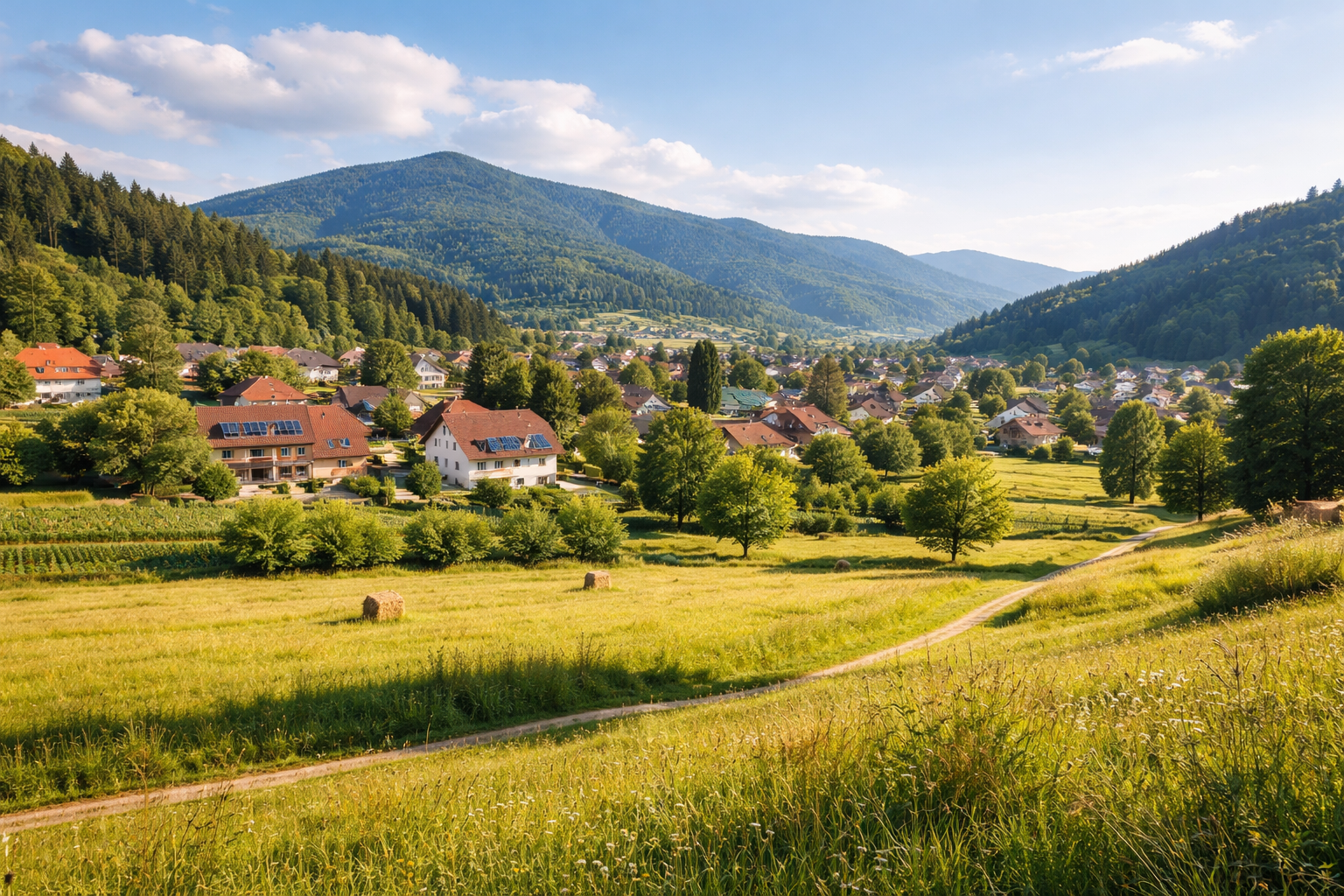
Tucked away on the southwestern edge of Freiburg im Breisgau, in the state of Baden-Württemberg, Germany, wollmatten exists in a space between memory and movement. It is not a headline-grabbing district, nor a heavily promoted destination. Instead, it is a place that reveals itself slowly—through its fields, its modest residential lanes, and the quiet rhythm of daily life shaped by both agriculture and urban proximity.
Wollmatten carries a sense of layered identity. It feels rural, yet it belongs unmistakably to the wider structure of Freiburg. It preserves agricultural traces that predate modern housing, while also reflecting the evolution of one of Germany’s most environmentally conscious cities. This dual character—part village, part city quarter—makes wollmatten more than just a geographic label. It is a living example of how urban expansion can coexist with heritage and landscape.
Understanding wollmatten requires attention to detail: the way the land slopes gently toward the Rhine plain, the agricultural history embedded in its soil, and the way community life still orbits around familiar paths rather than anonymous streets. It is a place that resists spectacle and rewards observation.
What Is wollmatten
What Is wollmatten if not a conventional tourist district or a densely commercial neighborhood? Wollmatten is a residential and semi-rural area located in the southwestern part of Freiburg im Breisgau, historically associated with agricultural use and gradually integrated into the expanding urban framework of the city.
Will You Check This Article: Joguart: The Premium Fermented Dairy Revolution Redefining Health Foods
The name itself reflects older land usage traditions. In southern German dialects, “Matten” refers to meadows, especially low-lying grassy land suitable for grazing or hay production. The “Woll” component likely connects to historical sheep grazing or wool production, though documentation from earlier centuries suggests the term may also derive from land ownership or descriptive landscape language. Regardless of its precise etymological roots, wollmatten was once defined by open meadows and farming activity.
Today, wollmatten remains partially shaped by that past. While residential development has increased over the decades, the area has not lost its connection to green spaces and agricultural edges. It sits at a transition zone where Freiburg’s urban grid dissolves into cultivated land and vineyard slopes. Rather than being absorbed entirely into dense construction, wollmatten has retained breathing space.
Historical Roots and Agricultural Foundations
To understand wollmatten properly, one must look beyond modern housing and consider the agricultural systems that defined it for centuries. The fertile lands around Freiburg have long supported farming communities, particularly in the Rhine valley region. Wollmatten developed as meadowland used for livestock grazing and seasonal agriculture, serving both local markets and households in the city.
Archival references from the broader Freiburg region indicate that meadow districts like wollmatten were critical to food supply chains before industrialization. Hay production, small-scale livestock raising, and viticulture on nearby slopes formed the backbone of local subsistence economies. The area’s relative flatness compared to the forested hills made it especially suitable for cultivation.
During the nineteenth and early twentieth centuries, as Freiburg expanded, peripheral agricultural lands gradually became incorporated into municipal planning. However, unlike heavily industrialized zones elsewhere in Germany, wollmatten did not transform into a factory district. Instead, it evolved slowly. Farming declined, but it did not vanish overnight. Many parcels of land were subdivided for housing, yet open plots and garden spaces remained common.
This slow transition allowed wollmatten to avoid abrupt architectural disruption. Even today, its built environment reflects moderate density rather than towering structures. The historical agricultural framework still influences the spacing between homes and the layout of certain paths.
Urban Integration Without Erasure
Freiburg is internationally recognized for its environmental planning and commitment to sustainable living. Wollmatten benefits from this broader urban philosophy. Rather than being overwhelmed by infrastructure, the area has been integrated through careful road networks, public transport access, and cycling routes that connect it to the city center.
The balance between integration and preservation is particularly noticeable in land use patterns. Wollmatten is not isolated; residents can reach Freiburg’s central districts with relative ease. Yet the immediate surroundings do not feel congested. Fields and gardens soften the boundary between neighborhood and countryside.
Urban planners in Freiburg have historically prioritized maintaining green corridors and minimizing unnecessary land sealing. Wollmatten, positioned at the city’s southwestern edge, functions as one of these transitional buffers. It offers housing while protecting the broader landscape from excessive fragmentation.
This approach has long-term implications. Instead of becoming a faceless suburb, wollmatten retains identity through scale and setting. It remains recognizable as a distinct area within Freiburg, shaped by geography as much as by municipal design.
Landscape, Climate, and Environmental Character
The southwestern region of Baden-Württemberg enjoys one of Germany’s mildest climates. Freiburg is often described as one of the sunniest cities in the country, and wollmatten shares this advantage. The proximity to the Black Forest foothills and the Rhine plain creates a unique microclimate that supports agriculture and outdoor life.
Wollmatten’s open areas contribute to airflow and temperature moderation. Unlike densely built quarters where heat accumulates in summer, this area benefits from natural ventilation across meadowland. The environmental character is not just aesthetic; it has practical implications for quality of life.
Nearby vineyards and cultivated fields also shape seasonal rhythms. In spring, flowering plants and renewed cultivation lend color to the surroundings. In autumn, harvest activity subtly reconnects the area to its agricultural origins. These cycles are visible from residential streets, reminding inhabitants that urban living does not have to sever ties with land.
Green space here is not ornamental alone. It reflects functional land use and historical continuity. This grounding in landscape is one of wollmatten’s defining features.
Architecture and Residential Identity
Architecturally, wollmatten does not follow a single dramatic style. Instead, it presents a mixture of modest single-family homes, low-rise apartment buildings, and occasional farm structures adapted for modern use. The absence of extreme vertical development reinforces the sense of openness.
Some houses retain elements that hint at rural heritage, including pitched roofs suited for heavy rain and winter snow, as well as small garden plots. Even newer constructions tend to respect scale rather than impose dominance. This architectural moderation contributes to visual harmony.
In recent decades, as Freiburg’s population has grown, demand for housing has inevitably increased. Wollmatten has seen careful infill development, yet planners have largely avoided sacrificing all open land. The result is a district that feels inhabited but not overcrowded.
The residential identity of wollmatten is shaped by continuity. Families often remain in the area for extended periods, creating multi-generational familiarity. This stability fosters neighborly interaction and reinforces the impression of a small community within a larger city framework.
Community Life and Social Fabric
Community life in wollmatten unfolds quietly. It is not characterized by large commercial centers or nightlife zones. Instead, daily interactions occur along walking paths, in shared green spaces, and through neighborhood initiatives.
The absence of intense commercial activity does not signal isolation. Rather, residents rely on nearby Freiburg districts for shopping and services while preserving a calmer residential atmosphere at home. This pattern encourages outward mobility during the day and tranquility in the evening.
Local associations and informal networks play an understated but meaningful role. Gardening traditions, seasonal events, and school-related gatherings contribute to social cohesion. Because the area is neither densely packed nor socially anonymous, residents often recognize familiar faces.
Wollmatten’s scale supports this dynamic. It is large enough to sustain diversity, yet small enough to maintain personal connection. That balance is increasingly rare in expanding urban regions.
Mobility and Connection to Freiburg
One of wollmatten’s strengths lies in its connectivity. Freiburg is known for its cycling culture, and the southwestern quarters benefit from well-developed bike routes linking them to the city center. Public transport lines also provide reliable access without requiring constant car use.
This connectivity reinforces the area’s hybrid identity. Residents can participate fully in Freiburg’s cultural and economic life while returning to a setting that feels removed from urban intensity. The daily commute becomes a short transition rather than a long separation.
Road access connects wollmatten to surrounding regions, including routes toward the Rhine valley and neighboring towns. However, traffic flow is generally moderate compared to inner-city districts. This supports the quiet character that defines the area.
Mobility here is not simply about convenience; it is about maintaining equilibrium between access and retreat.
Real Estate Trends and Long-Term Appeal
In recent years, property values across Freiburg have risen due to high demand and limited space for expansion. Wollmatten has not been immune to this trend. Its combination of green surroundings and city access makes it attractive to families and professionals seeking stability.
Yet unlike central districts where competition for apartments is intense and turnover frequent, wollmatten’s market often reflects longer-term residence patterns. Homes are less likely to shift hands rapidly. This contributes to continuity and sustained neighborhood identity.
Long-term appeal stems from more than location. It is tied to environmental quality, architectural modesty, and social stability. While new developments may appear over time, the underlying character of wollmatten tends to resist drastic transformation.
For many, the area represents a compromise between rural nostalgia and urban practicality. That balance ensures enduring interest.
Cultural Context Within the Region
Wollmatten does not function in isolation from Freiburg’s broader cultural landscape. The city’s reputation for sustainability, education, and environmental awareness influences every district, including this one. Residents benefit from proximity to universities, cultural institutions, and regional festivals.
At the same time, wollmatten reflects a quieter cultural expression rooted in land and locality. The agricultural traces embedded in its name and geography offer a subtle counterpoint to Freiburg’s academic vibrancy.
This duality—intellectual city energy alongside meadow-based heritage—adds depth to the area’s identity. It underscores the fact that urban growth does not automatically erase older narratives. Instead, it can incorporate them.
The Emotional Geography of wollmatten
Places are not defined only by maps or administrative boundaries. They are shaped by perception and lived experience. Wollmatten evokes a sense of steadiness. The rhythm of daily life feels measured rather than hurried.
Even the spatial layout encourages slower movement. Paths curve gently around residential clusters. Open fields create visual horizons that reduce the sense of confinement common in tightly packed quarters. Children play in gardens rather than only in designated parks. Neighbors pause for conversation without the background roar of heavy traffic.
This emotional geography matters. In a world increasingly dominated by speed and density, areas like wollmatten remind residents of alternative ways to inhabit space. The environment subtly shapes behavior, encouraging patience and attentiveness.
The enduring value of wollmatten lies not only in property metrics or geographic convenience but in this experiential quality.
Conclusion
Wollmatten stands as a compelling example of how urban peripheries can evolve without losing their roots. Situated within Freiburg im Breisgau, it balances agricultural history with modern residential life. Its meadows, moderate architecture, and community stability distinguish it from more commercialized districts.
Rather than being defined by spectacle, wollmatten is defined by continuity. It represents a careful negotiation between expansion and preservation. The area demonstrates that growth need not erase landscape memory and that integration into a larger city can occur without sacrificing identity.
For those who look beyond central landmarks and tourist circuits, wollmatten offers something quieter yet deeply meaningful: a lived connection between land, neighborhood, and city. Its story is not loud, but it is enduring.
FAQs
What makes wollmatten different from other Freiburg districts?
Wollmatten differs primarily in its semi-rural character and historical meadowland origins. While fully integrated into Freiburg, it retains open spaces and a quieter residential atmosphere that set it apart from denser central areas.
Is wollmatten considered part of the city or the countryside?
Wollmatten is officially part of Freiburg im Breisgau, but it occupies a transitional zone between urban development and agricultural land. This gives it characteristics of both city living and countryside calm.
Does wollmatten still have agricultural activity?
Although large-scale farming has declined, nearby fields and cultivated land remain visible. The landscape continues to reflect its agricultural roots, especially in surrounding open areas and vineyards.
How accessible is wollmatten from Freiburg’s center?
The area is well connected through cycling routes, public transport, and road networks. Residents can reach central Freiburg conveniently while enjoying a quieter home environment.
Why is wollmatten attractive for long-term residents?
Its appeal lies in environmental quality, community stability, and balanced development. The combination of green surroundings and urban access makes wollmatten a desirable place for families and individuals seeking continuity.

Introduction
The word laaster carries a quiet mystery. It is not a term that appears frequently in everyday language, nor does it dominate mainstream discourse. Yet, when encountered, it evokes curiosity. Is it a surname, a linguistic variation, a regional expression, or something more layered? Words like laaster often hold deeper cultural and historical textures than first impressions suggest. They travel through generations, morph through dialects, and embed themselves within identities in subtle but meaningful ways.
Understanding laaster requires more than a surface glance. It demands exploration into linguistic roots, historical contexts, regional usage, and social implications. Words with uncommon presence often reveal fascinating stories about migration, adaptation, and cultural preservation. In this article, we will examine laaster from multiple angles—its origins, interpretations, cultural connections, and the ways it continues to resonate today.
What Is laaster
Laaster is a rare term most commonly associated with linguistic roots in Germanic and Afrikaans language traditions. In certain dialectical contexts, it appears as a variation or derivative connected to words meaning “plaster,” “last,” or “burden,” depending on regional pronunciation and spelling evolution. In Afrikaans, words such as “laaste” mean “last” or “final,” and phonetic shifts in spoken language can create forms resembling laaster.
Will You Check This Article: matoketcs: The Emerging Framework Redefining Systems Intelligence
In other contexts, laaster functions as a surname. Family names often emerge from occupations, geographic identifiers, or descriptive characteristics. The structure of laaster suggests possible ties to professions involving construction materials, particularly plastering, or to individuals associated with a particular trade. Over centuries, migration patterns and phonetic adaptations have influenced spelling variations, allowing laaster to exist as a distinct yet linguistically connected form.
Because it is not widely standardized, laaster can represent both a personal identifier and a linguistic artifact. Its meaning often depends on context, geography, and historical lineage.
Linguistic Roots and Etymology of laaster
To appreciate laaster fully, one must trace its possible etymological foundations. Germanic languages have long influenced Northern European and Southern African linguistic landscapes. In Old High German and Middle Dutch, words connected to plastering and building trades carried phonetic similarities that may have evolved into variants like laaster. Migration between the Netherlands, Germany, and later South Africa allowed language to shift organically.
In Afrikaans, derived largely from Dutch, pronunciation plays a central role in shaping word forms. Spoken variations sometimes create alternate spellings when transcribed informally. A word sounding like laaster may stem from adaptations of “pleister,” the Afrikaans word for plaster, or from variations of “laaste.” These phonetic transitions are common in dialect evolution, particularly in rural communities where oral tradition outweighs formal spelling conventions.
Surnames often follow similar patterns. Occupational surnames were common in European societies. If laaster originated from a plastering trade, it would align with naming traditions similar to those found in other European languages where professions shaped family identity. Over time, slight shifts in pronunciation could cement laaster as a distinct family name rather than a direct occupational label.
This layered etymology demonstrates how language rarely moves in straight lines. Instead, it bends and reshapes according to geography, social interaction, and generational reinterpretation.
Laaster as a Surname and Family Identity
As a surname, laaster carries particular significance for those who bear it. Family names often serve as living archives. They connect individuals to ancestors, regions, and historical professions. In communities where laaster appears as a last name, it may signal European ancestry, particularly from Dutch or German roots, later influenced by settlement patterns in Southern Africa.
Surname evolution is rarely static. Official records, immigration documentation, and clerical transcription errors have historically altered spellings. A name recorded differently in one generation could become permanent in the next. In this way, laaster may represent a preserved variation that survived administrative changes while others standardized differently.
For families carrying the name laaster, identity becomes intertwined with heritage. Even when the original occupational or descriptive meaning fades from memory, the name continues to anchor lineage. In genealogical research, rare surnames like laaster often provide clearer trails because they are less likely to be confused with more common names.
The endurance of such a surname illustrates how language and identity intertwine across centuries, preserving echoes of earlier social structures.
Cultural and Regional Significance
Laaster’s cultural relevance becomes more apparent when examined within regional communities. In areas influenced by Dutch and Afrikaans linguistic traditions, unusual word forms often persist in colloquial speech. These forms may not appear in formal dictionaries but remain meaningful within specific cultural circles.
Language in rural or tight-knit communities tends to evolve differently from standardized forms. Oral transmission shapes pronunciation, and informal spellings can solidify through repeated use. In such contexts, laaster may represent not just a word but a marker of belonging. Shared pronunciation patterns can create subtle signals of regional identity.
In addition, surnames linked to trades once carried social significance. Skilled craftspeople, including plasterers and builders, played vital roles in developing towns and settlements. If laaster has roots connected to construction or craftsmanship, it may reflect a lineage of practical skill and community contribution.
Cultural memory often hides within language. Even when the literal meaning becomes obscure, the presence of laaster in family records, property deeds, or oral histories can reveal the pathways through which communities developed.
The Evolution of Spelling and Pronunciation
Spelling variation is one of the most fascinating aspects of rare words like laaster. Before widespread literacy and standardized education, many names and terms were recorded phonetically. Clerks wrote what they heard, not necessarily what was historically correct.
This phenomenon explains why laaster could exist alongside similar forms without being identical. Pronunciation differences between regions often lead to subtle shifts. A slight elongation of a vowel or emphasis on a consonant can produce a new written form.
In multilingual societies, language blending intensifies this process. Dutch settlers interacting with local African languages, English speakers, and other immigrant groups created environments where pronunciation adapted constantly. Over generations, these adaptations settled into stable but unique spellings.
Thus, laaster may represent a linguistic fossil—a preserved snapshot of a particular pronunciation at a particular time. Its continued usage demonstrates how language history becomes embedded in everyday identity.
Social Perception and Modern Relevance
In modern contexts, unusual words and surnames often attract attention. Laaster, because of its rarity, carries distinctiveness. In an era where individuality is valued, rare names can become sources of pride. They signal uniqueness without artificial modification.
At the same time, unfamiliar words can invite curiosity or misunderstanding. Individuals bearing the surname laaster may find themselves explaining its pronunciation or origin. This process, while sometimes repetitive, reinforces connection to heritage.
Contemporary genealogy platforms and historical record databases have also renewed interest in rare surnames. Families seeking to trace their roots often uncover unexpected migrations, occupational histories, and linguistic transformations. In such explorations, laaster may serve as a starting point for rediscovering ancestral narratives.
Modern relevance does not always depend on widespread recognition. Sometimes, the quiet persistence of a word across centuries is powerful enough. Laaster embodies that quiet persistence.
Laaster in Historical Documentation
Historical documentation provides another layer of understanding. Archival records, immigration manifests, church registries, and land ownership documents often reveal variations of rare names. Tracking laaster across such records can illuminate patterns of settlement and mobility.
In many cases, rare surnames cluster in particular regions during specific time periods. This clustering suggests familial networks or trade-based communities. If laaster appears repeatedly within construction guild records or township registries, it strengthens the occupational hypothesis.
Documentation also reveals how spelling stabilized over time. Once literacy expanded and formal identification systems developed, names became fixed in official records. The spelling laaster, once recorded consistently, would persist across generations.
Historical documentation transforms speculation into evidence. It shows how a seemingly obscure word connects to tangible lives and communities.
Psychological Impact of Rare Names
Names influence self-perception more than most people realize. Carrying a rare surname like laaster can shape identity in subtle ways. It may encourage curiosity about ancestry or inspire pride in uniqueness.
Psychologists have long studied how names affect confidence, belonging, and social interaction. Distinctive names often create stronger memory associations. People remember them more easily, which can influence professional and social experiences.
At the same time, rare names sometimes require explanation or correction. This necessity can foster resilience and communication skills. Individuals who grow up clarifying their name often develop a stronger awareness of personal narrative.
Thus, laaster is not just a linguistic artifact. It can become part of a lived psychological experience, shaping how individuals engage with the world.
Preserving Linguistic Heritage
Preserving rare words and surnames matters. Language diversity reflects cultural diversity. When uncommon terms disappear, fragments of history vanish with them.
Families who maintain the name laaster contribute to preserving a piece of linguistic heritage. Even when its original meaning remains partially uncertain, its continued use honors generational continuity.
Communities can support preservation by recording oral histories, maintaining accurate genealogical records, and valuing linguistic diversity. Rare words often hold clues about migration, trade, and cultural exchange that broader narratives overlook.
In this sense, laaster becomes symbolic of countless other rare names and terms that quietly carry history forward.
Conclusion
Laaster may not dominate language or historical texts, but its significance lies precisely in its subtlety. Whether understood as a linguistic variation, an occupational derivative, or a preserved surname, it represents the intricate ways language evolves and endures. Its roots likely stretch into Germanic and Afrikaans traditions, shaped by migration, pronunciation shifts, and administrative recording practices.
As a surname, laaster connects individuals to ancestral identities and community roles. As a word form, it reflects the organic transformation of language across generations. Its rarity does not diminish its importance; rather, it enhances its distinctiveness.
Exploring laaster reveals how even the most understated terms can hold rich cultural narratives. In a world that often favors the widely recognized, it is worth pausing to appreciate the quiet legacy carried by uncommon words. Laaster stands as a reminder that history often lives in the margins, preserved in names that continue to be spoken.
FAQs
What does laaster mean?
Laaster is a rare term that may derive from Germanic or Afrikaans linguistic roots. It can function as a surname and may be connected to occupational or phonetic variations of related words.
Is laaster a common surname?
No, laaster is considered uncommon. Its rarity makes it distinctive and often easier to trace in genealogical research compared to more widespread surnames.
Where does the name laaster originate?
The origins of laaster likely trace back to Dutch or Germanic language traditions, possibly influenced by migration to regions such as Southern Africa where Afrikaans developed.
Can laaster be linked to a profession?
It is possible that laaster originated as an occupational surname related to plastering or construction trades, following common European naming patterns.
Why is it important to study rare names like laaster?
Studying rare names like laaster helps preserve linguistic heritage, uncover migration histories, and maintain cultural connections that might otherwise fade over time.

07441128267: Tracing the Story Behind the Calls UnveiledCall

holisticke: A Complete Path to Integrated Living

wollmatten: Freiburg’s Quiet Green Enclave Southern Germany

Mark McCann Net Worth 2025: Supercars And Millions

Elizabeth Huberdeau: Life Beyond Being John Cena’s First Wife

Is Elizabeth Rizzini Still Married? Inside Her Private Life in 2025
-

 Blogs1 week ago
hormita: Small Word Carrying Ancient Symbolisms
-
 Tech4 days ago
Why Root Nation Is Becoming a Trusted Name in Global Tech Media
-

 Culture1 week ago
piçada: Origins, Meanings, and Social Realities Unveiled Now
-

 Health1 week ago
Tortellinatrice: The Hidden Engine of Perfect Tortellini
-

 Tech6 days ago
Unpacking plftiger: The Future-Ready Intelligent Framework Transforming Tech
-

 Business4 days ago
Security Best Practices Every Online Store Should Follow
-

 Health1 week ago
inomyalgia: Unraveling the Science of Muscle Pain Disorders!
-

 Health1 week ago
Choosing the Right Dentist Middlesbrough for a Stress-Free Visit